
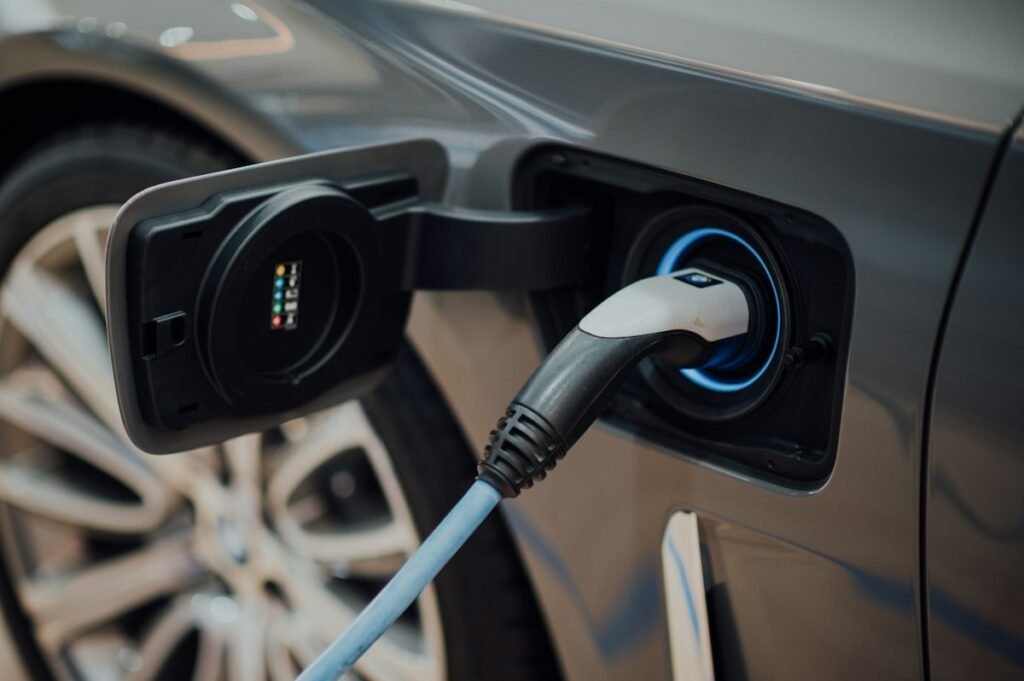

Hybrids have a reputation for being low-maintenance, and for the most part that reputation is earned. But “low” doesn’t mean “none.” A hybrid still has a gasoline engine, a 12-volt battery, tires, brakes, and fluids, plus a few parts a regular car simply doesn’t have. If you understand where hybrid car maintenance is the same as any other car and where it’s different, you can keep yours running well past 200,000 miles without overspending at the shop.
This guide walks through what actually needs attention, how often, and which common “hybrid myths” you can safely ignore.
How a Hybrid Is Different From a Regular Car
A conventional car relies on one power source: the gas engine. A hybrid splits the work between a gas engine and one or more electric motors, which draw power from a high-voltage battery pack. The car decides, second by second, which source to use. At low speeds or in stop-and-go traffic, the engine often shuts off completely.
That setup changes how parts wear:
- The engine runs fewer hours, so it typically sees less wear than the engine in a comparable gas-only car.
- Regenerative braking uses the electric motor to slow the car and recharge the battery, so the friction brakes do far less work.
- There’s no traditional starter or alternator on most full hybrids. The electric motor-generator handles those jobs.
- Extra systems need cooling, including the battery pack and the inverter that converts battery power for the motors.

Routine Hybrid Car Maintenance: What Stays the Same
Plenty of the work is identical to any other vehicle. Your owner’s manual is the final word, but these items are on almost every hybrid’s schedule.
Oil and Filter Changes
The gas engine still needs clean oil. Many modern hybrids use very thin synthetic oil, such as 0W-20 or 0W-16, and the correct grade matters because the engine starts and stops constantly. Follow the interval in your manual or the car’s maintenance reminder rather than an old “every 3,000 miles” rule. Because the engine doesn’t run all the time, some drivers assume they can stretch oil changes forever. Don’t. Oil still ages over time, even when mileage is low.
Tires
Tire rotation, alignment checks, and pressure checks matter even more on a hybrid, because fuel economy is a big part of why you bought one. Most hybrids come with low rolling resistance tires. When you replace them, picking a similar tire helps you keep that mpg. Check pressure at least once a month, when the tires are cold.
Air Filters and Wipers
The engine air filter and the cabin air filter get replaced on roughly the same schedule as any car, usually every 15,000 to 30,000 miles depending on how dusty your roads are. Wiper blades, lights, and belts (if your model has them) are no different either.

What’s Unique to a Hybrid
This is where a little knowledge saves real money. These items are easy to overlook because they don’t exist on a regular car.
The Hybrid Battery Cooling System
The high-voltage battery pack needs to stay cool to last. Many hybrids, including several popular Toyota and Honda models, pull cabin air through a vent (often near the rear seat) and push it across the battery with a small fan. Over time that vent and its filter can clog with dust, pet hair, or crumbs. A choked fan makes the battery run hot, which can shorten its life.
Check the vent every time you change the cabin filter. If you have pets or kids, clean it more often. It’s usually a five-minute job with a vacuum, and your manual will show where it is.
Inverter Coolant
Most hybrids have a separate cooling loop for the inverter and electric motor, with its own reservoir. This coolant lasts a long time, often 100,000 miles or more for the first change, but it’s frequently forgotten because owners don’t know it’s there. Ask your shop to check both the engine coolant and the inverter coolant at each major service.
The 12-Volt Battery
A hybrid still has a small 12-volt battery that powers the computers, lights, and locks, and “wakes up” the high-voltage system. If it dies, the car won’t start, even if the big battery is fully charged. These batteries often last 3 to 5 years. If your hybrid sits unused for a few weeks, the 12-volt battery can drain, so drive it regularly or use a battery maintainer during long trips. For a broader look at battery types and safety, see our guide on automotive batteries and hazard classes.

Brakes Last Longer, but Don’t Ignore Them
Thanks to regenerative braking, it’s common for hybrid brake pads to last well over 70,000 miles. That’s great news for your wallet, but it creates a different problem: because the friction brakes are used so lightly, the rotors and caliper slides can rust or stick, especially in wet or salty climates.
A few habits help:
- Have the brakes inspected and the caliper slides lubricated during regular service, even if the pads look thick.
- Replace brake fluid on schedule, typically every 2 to 3 years, since fluid absorbs moisture over time no matter how much you brake.
- If you hear grinding after the car has sat in the rain, a few firm stops at low speed can clean light surface rust off the rotors.
A Simple Hybrid Maintenance Schedule
Every model is different, so treat this as a general picture, not a replacement for your manual.
- Every month: Check tire pressure and look for warning lights.
- Every 5,000 to 10,000 miles: Oil and filter change (or as your maintenance reminder says), tire rotation, quick visual inspection.
- Every 15,000 to 30,000 miles: Engine air filter, cabin air filter, battery cooling vent cleaning, brake inspection.
- Every 2 to 3 years: Brake fluid replacement, 12-volt battery test.
- Around 100,000 miles and beyond: Engine coolant and inverter coolant service, spark plugs on many models.
How Long Does a Hybrid Battery Last?
This is the question almost every hybrid owner asks. With normal use, most hybrid battery packs last 10 to 15 years, and many go past 150,000 miles. In the US, hybrid batteries are typically covered by a long warranty, often 8 years/100,000 miles or more, and some manufacturers and states offer coverage up to 10 years/150,000 miles. Check your specific warranty booklet.
Signs that the battery may be getting weak include:
- A noticeable drop in fuel economy that isn’t explained by weather or driving habits
- The gas engine running much more often than it used to
- The battery charge gauge swinging quickly between full and empty
- A hybrid system warning light on the dash
If you see these, get a hybrid-specific diagnostic before assuming the worst. Sometimes the real issue is a clogged cooling fan or a single weak module, which is far cheaper to fix than a whole new pack. And if you’re shopping for a used hybrid, battery age and service history are worth asking about, along with the questions in our article on how many miles is too many for a used car.
Is Hybrid Maintenance More Expensive?
Usually it’s cheaper. Studies of ownership costs generally find that hybrids cost about the same or less to maintain than similar gas cars, mainly because of longer-lasting brakes and less engine wear. The big exception is out-of-warranty battery replacement, which can run anywhere from about $2,000 to $8,000 depending on the model and whether you choose a new, remanufactured, or used pack.
You can keep costs down by:
- Following the schedule instead of skipping services and paying for bigger repairs later
- Finding an independent shop that works on hybrids, not only the dealer
- Keeping the battery cooling system clean, which is the cheapest battery insurance there is
Safety Tips for DIY Owners
Basic jobs like checking tire pressure, swapping air filters, and cleaning the battery vent are perfectly safe to do yourself. However, hybrids carry high-voltage systems that can be dangerous. The thick cables are almost always colored bright orange. Never cut, unplug, or work on anything orange, and leave inverter and battery work to trained technicians.
Frequently Asked Questions
Do hybrids need oil changes?
Yes. The gas engine needs oil like any other engine. Intervals may be similar to or slightly longer than a regular car’s, so follow your manual or the car’s maintenance reminder.
Can any mechanic service a hybrid?
Any good mechanic can handle routine jobs like oil, tires, and filters. For battery, inverter, or hybrid warning lights, choose a shop with hybrid training and the right diagnostic tools.
Is it bad to leave a hybrid parked for a long time?
Short breaks are fine. For more than two or three weeks, the 12-volt battery can drain and the high-voltage battery can slowly lose charge. Drive it for about 30 minutes every couple of weeks, or ask someone to do it for you.
The Bottom Line
Good hybrid care is mostly the same common-sense hybrid car maintenance any car needs, plus a few extras: keep the battery cooling vent clean, don’t forget the inverter coolant, and watch the 12-volt battery. Do those things, follow the schedule in your manual, and your hybrid will likely reward you with years of quiet, efficient, and affordable driving.



Pingback: How To Clean Car Seats: Fabric, Leather And Vinyl