
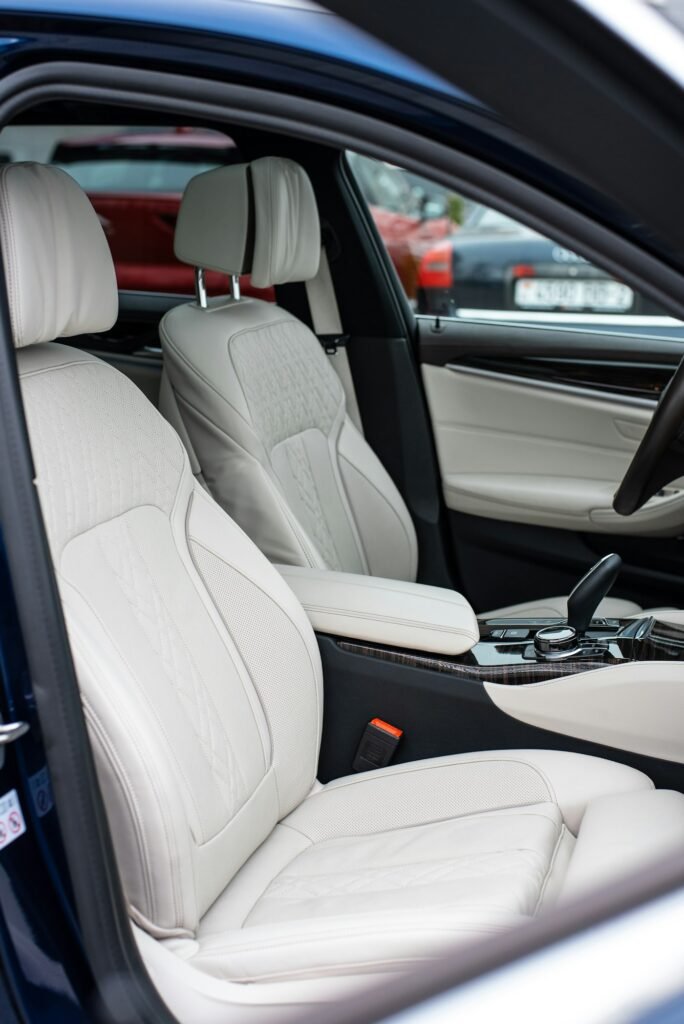

Car seats take a beating. Coffee spills, muddy shoes, sweaty summer drives and the occasional melted crayon all end up soaked into the upholstery. The good news is that you don’t need a professional detailer to get them looking fresh again. With a vacuum, a couple of soft brushes and a cleaner that suits your seat material, you can clean car seats at home in about an hour.
This guide walks through how to clean car seats made of fabric, leather and vinyl, how to deal with the most common stains, and what to avoid so you don’t damage the material.
First, Figure Out What Your Seats Are Made Of
Before you grab any cleaner, check your seat material. Using the wrong product is the fastest way to fade fabric or crack leather. Most cars have one of these:
- Fabric (cloth): Soft, woven texture. Very common in standard trims. It absorbs spills quickly, so stains set fast.
- Leather: Smooth with a natural grain and small pores. Found in higher trims and luxury cars.
- Vinyl or synthetic leather: Looks like leather but feels a little more plastic and uniform. Popular in trucks, work vehicles and many newer cars.
If you’re not sure, check your owner’s manual or the window sticker. You can also do a quick water drop test: water soaks into fabric right away, beads up on vinyl, and slowly darkens real leather.
What You’ll Need
You probably have most of this already:
- Vacuum with a crevice tool and brush attachment
- Two or three microfiber towels
- Soft-bristle upholstery brush (an old soft toothbrush works for seams)
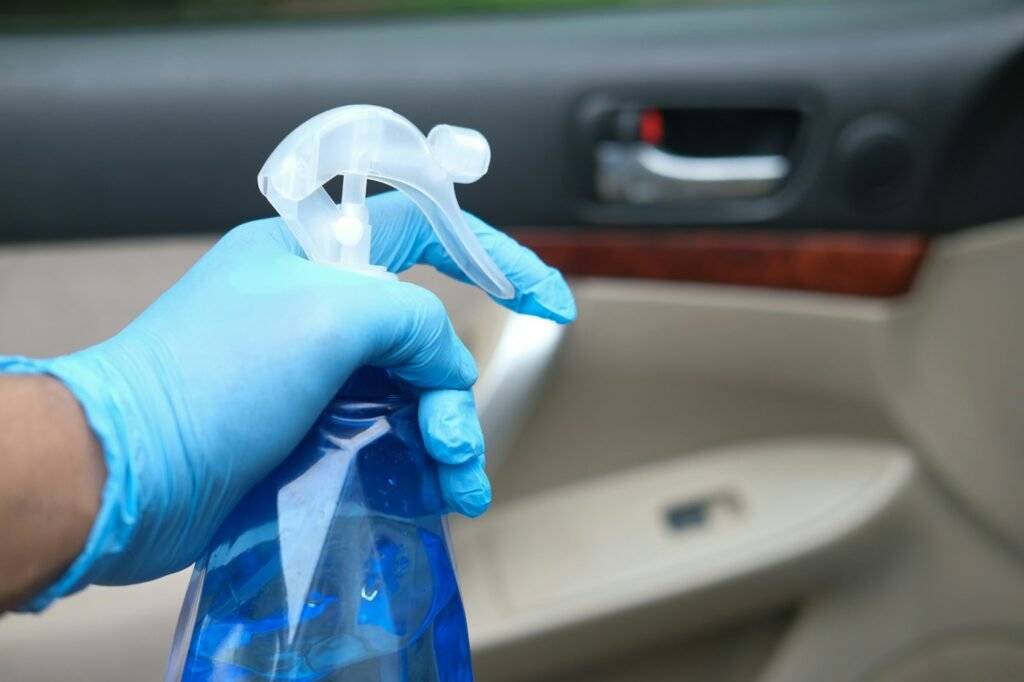
- Spray bottle
- Mild dish soap or a dedicated upholstery cleaner
- White vinegar and baking soda (for fabric)
- pH-balanced leather cleaner and leather conditioner (for leather)
- Bucket of warm water
Step 1: Clear Out and Vacuum Everything
Remove floor mats, car seats for kids, trash and anything stuffed into seat pockets. Then vacuum thoroughly. This step matters more than people think. If you start scrubbing while crumbs and grit are still in the seat, you’ll just grind dirt deeper into the fabric or scratch the leather.
Use the crevice tool along the seams and between the seat and the console. Slide the seats all the way forward and back to reach the tracks underneath. Run the brush attachment over the seat surfaces to loosen dust trapped in the weave.
How to Clean Fabric Car Seats
Cloth seats hold onto dirt and odors, so a little extra effort pays off.
- Mix a cleaning solution. Add a few drops of dish soap to a spray bottle of warm water. For tougher grime, use one part white vinegar, one part water and a few drops of dish soap.
- Spot test. Spray a hidden area, like the side of the seat near the floor, and blot it with a white towel. If no color transfers, you’re good to go.
- Spray lightly. Mist one section at a time. Don’t soak the seat. Too much water seeps into the foam underneath, which can lead to mildew and a musty smell.
- Scrub gently. Work the cleaner in with a soft brush using small circles. You’ll see the dirt lift into the foam.
- Blot, don’t rub. Press a clean microfiber towel into the fabric to pull out moisture and dirt. Repeat until the towel comes up mostly clean.
- Dry completely. Leave the windows or doors open for a few hours, or run the AC with the windows cracked. Fabric seats should be fully dry before you sit on them.
Tip: For a deeper refresh, sprinkle baking soda on dry fabric seats, let it sit for 20 to 30 minutes, then vacuum it up. It helps pull out lingering smells from food, pets and sweat.
How to Clean Leather Car Seats
Leather is durable, but it needs a gentle touch. Harsh chemicals strip its natural oils and lead to cracking.
- Vacuum carefully using the soft brush attachment so you don’t scratch the surface.
- Apply leather cleaner to a microfiber towel or soft brush, not directly onto the seat. This keeps product from pooling in the perforations.
- Clean in small sections. Wipe gently, paying attention to the bolsters (the raised side areas), which collect the most body oil and wear.
- Wipe off residue with a slightly damp, clean microfiber towel.
- Condition the leather. Once dry, apply a thin layer of leather conditioner and buff it in. This keeps the leather soft and helps prevent cracks and fading from sun exposure.
Plan to condition leather seats every three to six months, or more often if you live somewhere hot and sunny.
How to Clean Vinyl Car Seats
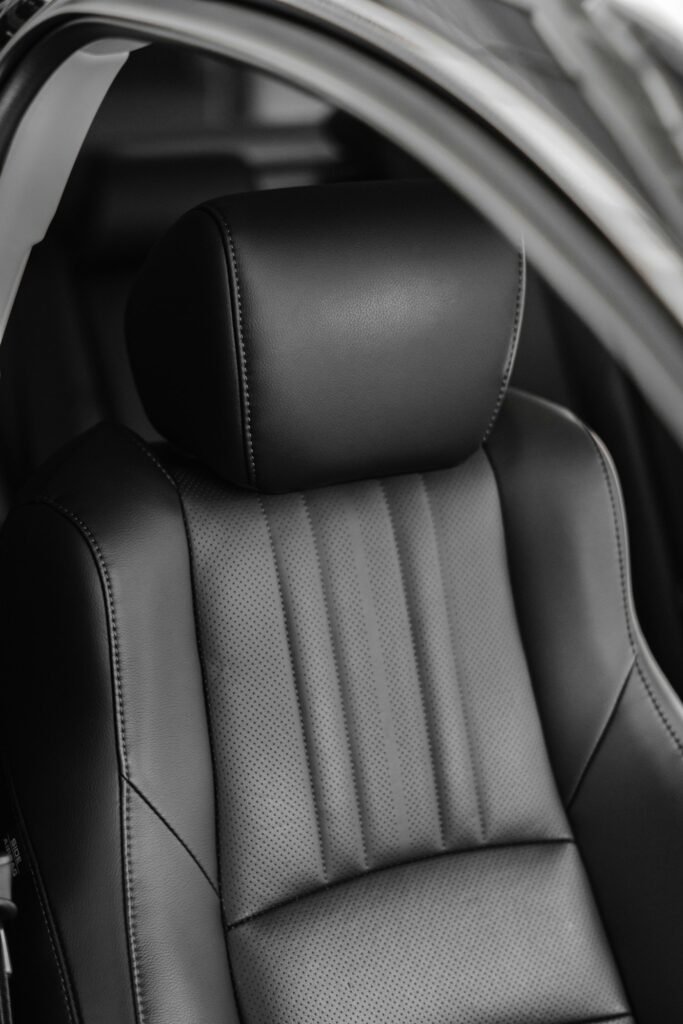
Vinyl is the easiest material to clean. It doesn’t absorb much, so most messes wipe right off.
- Vacuum the seams and crevices.
- Mix warm water with a small amount of dish soap.
- Wipe the seats with a damp microfiber towel, scrubbing seams with a soft brush.
- Rinse with a clean damp towel and dry right away to avoid water spots.
Skip oil-based conditioners on vinyl. They can leave a greasy film and attract dust. A vinyl protectant with UV blockers is a better option if your car sits in the sun.
How to Remove Common Car Seat Stains
Act fast whenever you can. Fresh stains are far easier to remove than old ones.
| Stain | What to Use | Quick Method |
|---|---|---|
| Coffee or soda | Dish soap and water, then vinegar solution | Blot up excess, spray, scrub lightly, blot dry |
| Grease or food oil | Baking soda or cornstarch, then dish soap | Sprinkle powder, wait 15 minutes, vacuum, then clean |
| Ink | Rubbing alcohol on a cotton swab (fabric only) | Dab gently, don’t spread; spot test first |
| Mud | Let it dry first | Brush off dried dirt, vacuum, then clean the mark |
| Vomit or milk | Enzyme cleaner | Remove solids, apply enzyme cleaner, let it sit, blot |
| Pet hair | Rubber glove or pumice stone | Wipe across fabric to ball up hair, then vacuum |
Never use rubbing alcohol, acetone or bleach on leather. They dry it out and can permanently discolor the surface.
Should You Use a Steam Cleaner?
A handheld steam cleaner works well on fabric seats. Steam loosens ground-in dirt and kills odor-causing bacteria without heavy chemicals. Keep the nozzle moving and follow up by blotting with a towel.
Avoid steam on leather. The heat and moisture can dry it out, shrink it or damage the finish. For vinyl, a quick pass is usually fine, but a damp towel does the job just as well.
How Often Should You Clean Car Seats?
It depends on how you use your car, but this schedule works for most drivers:
- Weekly or every two weeks: Quick vacuum and wipe-down of high-touch spots.
- Every one to three months: Full seat cleaning for fabric, vinyl and leather.
- Every three to six months: Condition leather seats.
- Right away: Any spill, especially coffee, milk or anything greasy.
If you have kids or pets, or you eat in your car often, lean toward the shorter end. Regular care is one of those small habits that protects your car’s resale value, just like keeping up with routine maintenance. If you drive a hybrid, our guide on hybrid car maintenance covers the mechanical side of keeping it in good shape.
Mistakes That Damage Car Seats
A few common habits do more harm than good:
- Over-wetting fabric. Water that reaches the foam can cause mold and lingering smells.
- Using household all-purpose sprays on leather. Many contain ingredients that strip protective coatings.
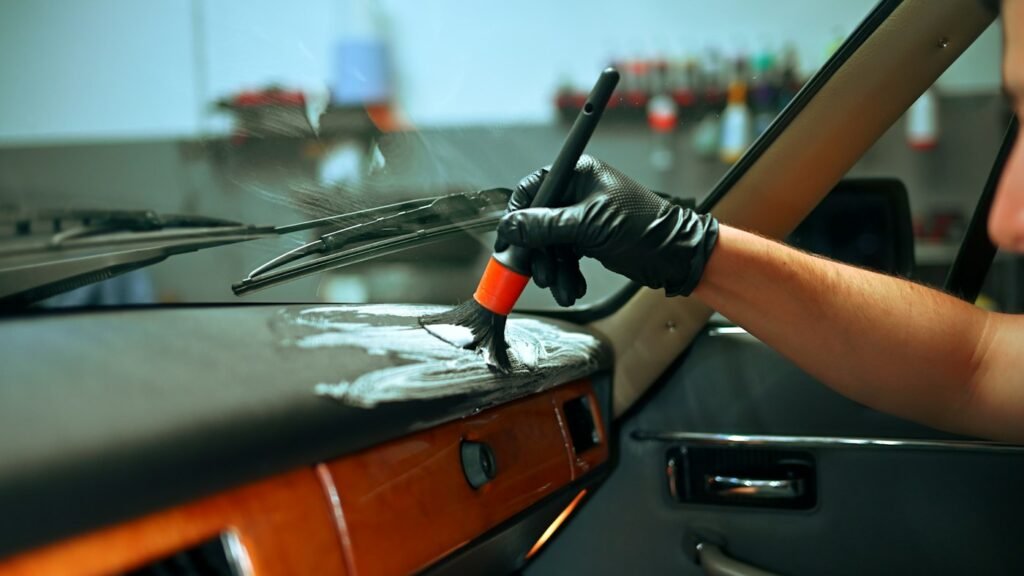
- Scrubbing too hard. Stiff brushes can fray fabric and scratch leather.
- Skipping the spot test. Always test any new cleaner in a hidden area first.
- Letting seats air-dry in a closed car. Trapped humidity leads to a musty interior.
Keep Your Seats Cleaner for Longer
Once your seats look good, a few simple habits will keep them that way:
- Use seat covers if you have kids, pets or a messy commute.
- Keep a small pack of microfiber cloths and interior wipes in the glovebox for quick cleanups.
- Park in the shade or use a sunshade to protect leather and vinyl from UV damage.
- Set a “no eating” rule, or at least keep snacks to easy, non-greasy foods.
Frequently Asked Questions
What is the best homemade cleaner for car seats?
For fabric seats, a mix of warm water, a few drops of dish soap and a splash of white vinegar works well for most dirt and odors. For leather, it’s safer to use a pH-balanced leather cleaner rather than homemade mixes.
How long do car seats take to dry after cleaning?
Fabric seats usually take two to four hours to dry with good airflow. In humid weather, it can take longer. Leather and vinyl dry within minutes when wiped properly.
Can I use baby wipes on car seats?
Baby wipes are fine for quick spot cleaning on vinyl. Avoid using them regularly on leather, since some contain ingredients that can leave residue or dry out the surface over time.
How do I get a bad smell out of car seats?
Vacuum thoroughly, sprinkle baking soda on fabric seats, let it sit for at least 30 minutes, then vacuum again. For stubborn smells from milk or pets, use an enzyme cleaner, which breaks down the source of the odor rather than masking it.
Final Thoughts
Learning how to clean car seats is mostly about matching the method to the material. Vacuum first, use gentle cleaners, avoid soaking anything and always let the seats dry fully. Fabric needs light scrubbing and blotting, leather needs cleaning plus conditioning, and vinyl just needs soap and water. Do it every couple of months, and your car will feel newer for a lot longer.



Pingback: How To Tie A Christmas Tree To Your Car (With Or Without Roof Rack)
Pingback: How To Get Candle Wax Out Of Carpet (5 Easy Methods)