
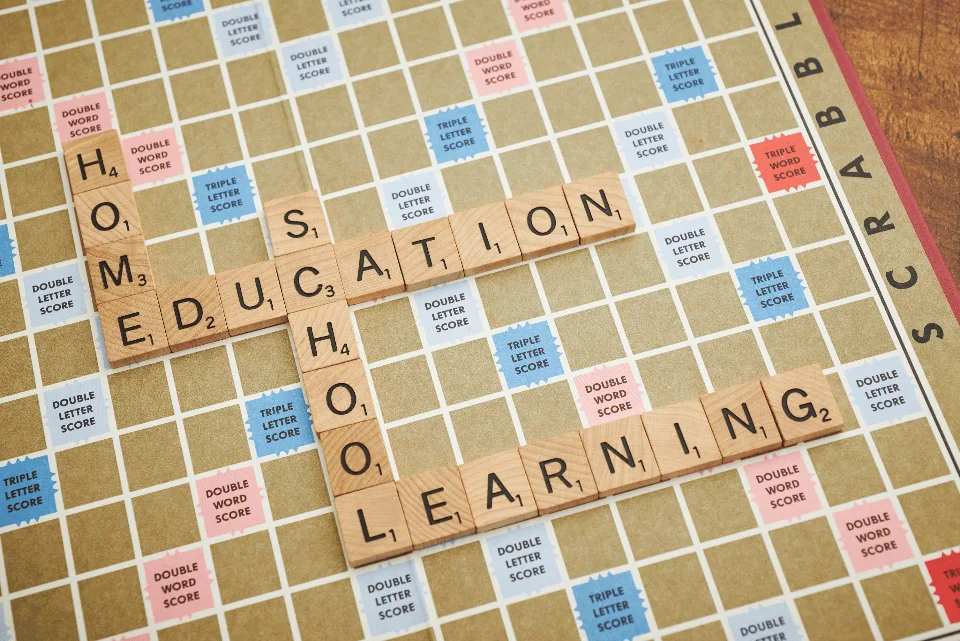

Hand a child a worksheet of 20 subtraction problems and watch the energy leave the room. Now turn those same problems into a race on a game board, with dice, a timer and a sibling to beat. Same math, completely different mood. Suddenly the question isn’t “Do I have to?” but “Can we play again?”
That is the quiet magic of educational games. The good ones turn practice into play, so kids repeat skills willingly until they stick. The tricky part is that plenty of apps and boxes say “educational” without teaching much at all. This guide walks you through what actually works, how to spot a weak game, and which types fit each subject and age, with both screen and screen-free ideas.
What Are Educational Games?
An educational game is any game built around a clear learning goal, such as adding fractions, reading sight words, naming countries or typing faster, where playing the game is the practice. They come in three broad flavors:
- Digital games: learning apps, browser games and video games with a skill at their core.
- Board and card games: family classics like Scrabble or Monopoly, plus card games that quietly train counting, strategy and memory.
- Active and classroom games: scavenger hunts, quiz shows, spelling relays and role-play.
What separates a learning game from plain entertainment isn’t the label on the box. It’s whether a child walks away able to do something they couldn’t do before.
Why Learning Through Play Actually Works
Kids don’t need to be tricked into learning; they need a reason to keep trying. Games supply that reason in a few powerful ways:
- Instant feedback. A wrong answer costs a turn, not a red mark, so mistakes feel like part of the fun rather than failure.
- Lots of repetition without boredom. Twenty rounds of a math game beat one worksheet because the brain gets far more practice reps.
- Just-right challenge. Good games get harder as skills grow, keeping kids in the sweet spot between “too easy” and “I give up.”
- Motivation from inside. Points, levels and a chance to win make kids want to practice, not just put up with it.
- Social skills on the side. Taking turns, losing gracefully and explaining a move all come free with group games.
How to Tell If a Game Is Actually Educational
Before you download or buy, run the game through this quick checklist:
- Is the learning the main action? If kids solve a problem every turn, great. If they answer one question and then watch a 30-second cartoon reward, the learning is only decoration.
- Does it adapt? The best games adjust difficulty to each player instead of repeating the same level forever.
- Does it explain mistakes? A good game shows why an answer was wrong, not just that it was.
- Is it free of manipulative design? Watch out for constant ads, loot boxes or pressure to buy coins. These pull attention away from learning.
- Will your child want to replay it? A game played once teaches little. Replay value is where the real progress happens.
A simple test: after 15 minutes of play, ask your child what they practiced. If they can tell you, the game is doing its job.
Educational Games by Subject
Math Games

Math is where games shine brightest, because skills like times tables and number sense need heaps of practice. Try dice games where kids add or multiply their rolls, board games such as Sum Swamp for younger players, or adaptive apps like Prodigy Math that wrap problems inside an adventure. Even ordinary card games count: our guide to Rummy 500 rules shows how a classic card game builds quick mental addition every single hand.
Reading and Spelling Games
For early readers, look for games that connect letters to sounds: phonics apps, alphabet bingo or matching games like Zingo. Older kids can stretch their vocabulary with word games such as Scrabble Junior, Bananagrams or Boggle, which reward both spelling and fast thinking. Reading aloud a “secret clue” during a scavenger hunt is a sneaky way to build fluency too.
Science Games
Science games work best when kids get to experiment. Building and engineering games, simulation apps where you grow a plant or design a roller coaster, and hands-on kits that turn the kitchen into a lab all teach the habit of asking “What happens if?” Free sites such as PBS Kids Games offer short science challenges for younger learners.
History and Geography Games
Map quizzes like Seterra make memorizing countries and capitals surprisingly addictive, while timeline card games help kids put events in order. Strategy board games with historical themes spark questions that send children happily down a research rabbit hole.
Typing and Computer Skills
Typing games turn finger drills into races and challenges, building speed and accuracy far faster than copying text. Beginner coding games, where kids guide a character with simple commands, introduce logic and sequencing long before they write a line of real code.
Foreign Language Games
Language apps like Duolingo use streaks and short lessons to keep practice going daily. Offline, try labeling household items in the new language and playing “I spy,” or play a simple card game using only target-language numbers and colors.
Best Educational Games by Age
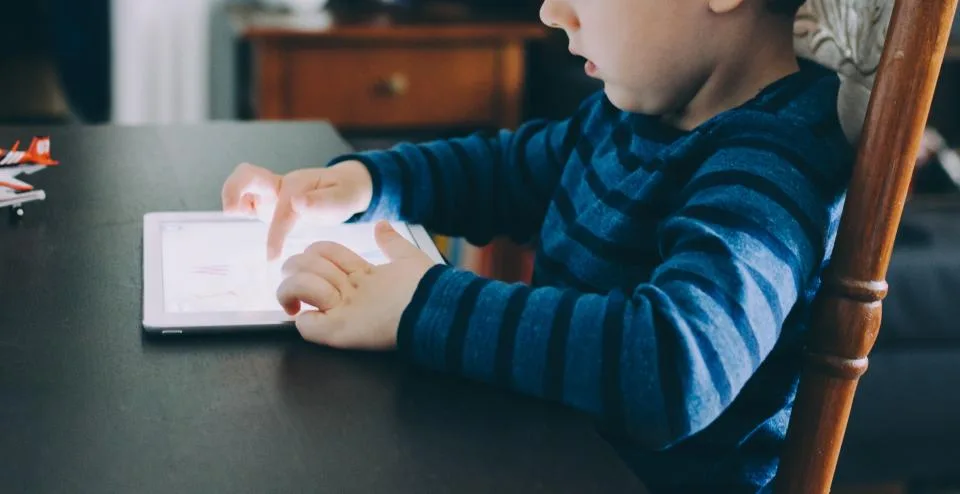
A great game for a 10-year-old will frustrate a preschooler, so match the game to the stage:
- Ages 3 to 5: Focus on colors, shapes, counting and letter sounds. Simple matching games, picture bingo and gentle apps such as Khan Academy Kids work well. Keep sessions short and play together.
- Ages 6 to 8: Build reading fluency and basic math facts. Word-building games, addition and subtraction card games and beginner strategy games fit nicely.
- Ages 9 to 12: Stretch logic, multiplication, fractions and vocabulary. Strategy board games, geography quizzes, typing games and beginner coding apps hold attention here.
- Teens: Complex strategy, language learning, coding and simulation games. Tile games like mahjong also train pattern recognition and planning; see our beginner’s guide to mahjong to get started.
Screen-Free Educational Games
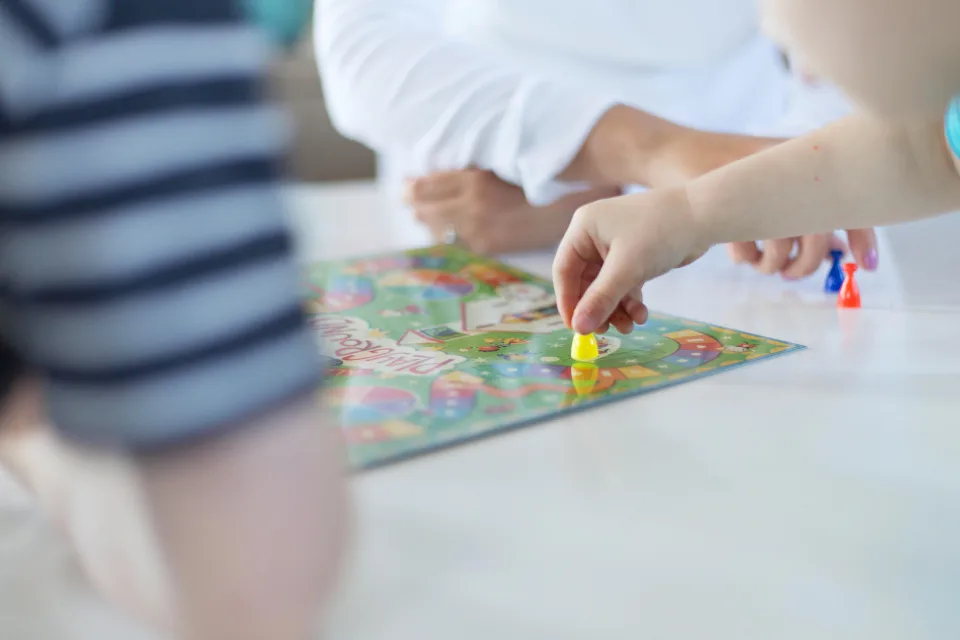
Not every learning game needs a battery. Screen-free options give eyes a break and often get the whole family talking:
- Board games: Monopoly for money skills, Blokus for spatial thinking, Scrabble for spelling, chess for patience and planning.
- Card games: War with addition, Go Fish with sight words, and classic rummy-style games for counting and strategy.
- Puzzles: Jigsaws, tangrams and logic puzzles build problem-solving and focus.
- Active games: Math hopscotch, spelling relays and nature scavenger hunts mix movement with learning.
- Kitchen and car games: Measuring ingredients, “20 Questions,” or spotting license plates from different states or cities.
Tips for Teachers
In the classroom, games work best as a tool rather than a reward at the end of the day. A few ideas:
- Use quick quiz games such as Kahoot or a simple Jeopardy board to review before a test.
- Set up learning stations where small groups rotate between different skill games.
- Pick games that match your lesson goal, then talk about the strategy afterward so kids connect play with the concept.
- Mix competitive and team-based games so every student, not just the fastest, gets a chance to shine.
Tips for Parents

You don’t need a teaching degree to make games work at home. Small habits make the biggest difference:
- Play with them. Your interest is the best motivator, and you’ll see exactly where they struggle.
- Follow their interests. A dinosaur fan will happily practice reading if the game is about dinosaurs.
- Set gentle limits. For young children, the American Academy of Pediatrics recommends limiting screen time and choosing high-quality content you watch or play together.
- Praise effort, not just wins. “You figured out a new strategy” builds more confidence than “You’re so smart.”
- Rotate games. Swap games every few weeks so the challenge, and the excitement, stay fresh.
Free vs. Paid Educational Games
Free doesn’t mean low quality. Sites like PBS Kids Games and Khan Academy Kids are free and excellent. The trade-off with many other free apps is ads or constant nudges to buy upgrades, which can distract young players. Paid games and subscriptions usually offer an ad-free experience, deeper content and progress reports for parents. A sensible approach: start with trusted free options, and only pay once you know your child will actually use it.
Frequently Asked Questions
Do educational games really help kids learn?
Yes, when the game is well designed. Games that make the skill the main action, give instant feedback and adjust difficulty help kids practice more often and remember more. Games where learning is only a small add-on have much less impact.
What is a good educational game for a 5-year-old?
Look for simple games built around counting, letters or shapes, such as picture bingo, matching games or Zingo. Gentle apps like Khan Academy Kids are also a great fit. Short sessions and playing alongside your child work best at this age.
How much time should kids spend on educational games?
There is no single magic number, but short, focused sessions of 15 to 30 minutes usually beat long marathons. For screen-based games, balance them with reading, outdoor play and screen-free games, and follow your pediatrician’s guidance for your child’s age.
Are board games educational?
Many are. Board games teach counting, reading, strategy, planning and patience, plus social skills like taking turns and handling a loss. Classics like Scrabble, Monopoly and chess are learning tools in disguise.
Can older kids and teens benefit from educational games?
Absolutely. Teens can learn coding, new languages, typing, geography and complex strategy through games. The key is choosing games that challenge them rather than ones aimed at younger players.
Final Thoughts
The best educational games don’t feel like homework. They feel like a challenge kids choose to take on, again and again. Start with one subject your child finds tough, pick a game from this guide that matches their age, and play it together for a week. You may be surprised how quickly “I hate math” turns into “One more round!”



Pingback: White Elephant Rules: Step-by-Step Guide + Printable Summary