
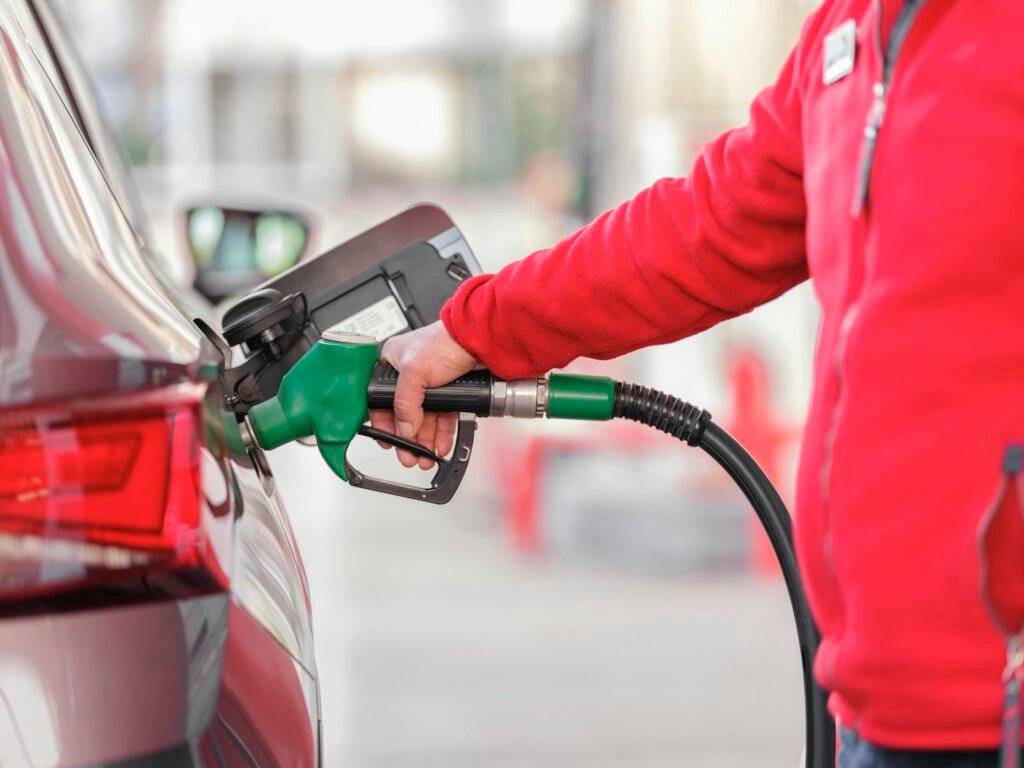

Gas is one of those expenses that sneaks up on you. You don’t think about it much until you notice you’re filling up twice a week, and suddenly fuel is taking a bigger bite out of your budget than groceries or your phone bill.
You can’t control what stations charge, but you can control a surprising amount of what you spend. Small changes in where you buy fuel, how you pay, how you drive, and how you care for your car can easily cut your gas bill by 10 to 25 percent. This guide covers how to save money on gas with practical tips you can start using on your very next trip.
Quick answer: The fastest ways to save money on gas are comparing prices with a fuel app, paying with a gas rewards card or cash discount, joining a store fuel rewards program, driving smoothly at moderate speeds, keeping your tires properly inflated, and combining errands into fewer trips.
How Much Could You Actually Save?
Let’s put real numbers on it. If you drive about 12,000 miles a year in a car that gets 25 miles per gallon, you use roughly 480 gallons. At $3.50 a gallon, that’s about $1,680 a year.
| Savings Strategy | Typical Savings | Yearly Value (Approx.) |
|---|---|---|
| Using a gas price app | 10 – 20 cents per gallon | $50 – $95 |
| Gas rewards credit card | 3% – 5% back | $50 – $85 |
| Grocery or store fuel points | 10 – 50 cents per gallon on some fills | $40 – $120 |
| Smoother driving | 10% – 20% better mileage | $170 – $335 |
| Proper tire pressure | Up to 3% better mileage | Up to $50 |
Combine a few of these and you could keep $300 to $600 a year in your pocket without changing your lifestyle much at all.
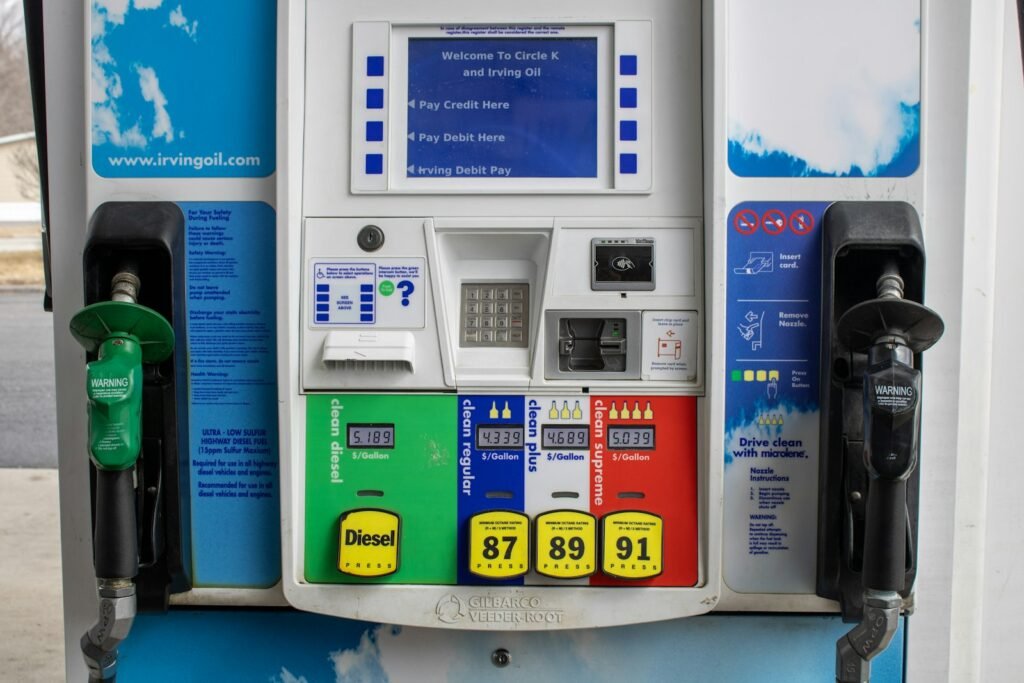
Save Money Where You Buy Gas
1. Compare Prices Before You Fill Up
Fuel price apps like GasBuddy, Waze, and Google Maps show real-time prices at nearby stations. A station a few blocks off your route can be noticeably cheaper than the one right next to the highway exit. Make it a habit to check before you head out, not when the tank is already on empty.
2. Avoid Highway and Tourist Area Stations
Stations right off interstates, near airports, and in tourist areas tend to charge more because they know drivers are in a hurry. If you’re on a road trip, plan your stops in smaller towns slightly off the highway.
3. Use Warehouse Club and Grocery Store Stations
Warehouse clubs like Costco, Sam’s Club, and BJ’s often have some of the lowest gas prices in town. If you already pay for a membership, filling up there can help it pay for itself. Many grocery chains also offer fuel points for every dollar you spend on food, which pairs nicely with our guide on how to save money on groceries.
4. Pay With Cash If It’s Cheaper
Some stations post two prices: one for cash and one for cards. The difference can be 5 to 10 cents per gallon. If you see that sign, paying cash is an easy win.
5. Don’t Buy Premium Unless Your Car Requires It
Check your owner’s manual. If it says “premium recommended” rather than “required,” regular fuel is usually fine. Premium can cost 50 to 90 cents more per gallon, so this one change can save hundreds of dollars a year.
Save Money on How You Pay
6. Use a Gas Rewards Credit Card
Many credit cards pay 3 to 5 percent back on gas purchases. This only makes sense if you pay your balance in full every month, because interest charges will wipe out any rewards very quickly.
7. Join Free Fuel Rewards Programs
Most major gas brands, such as Shell, Exxon Mobil, and BP, offer free loyalty programs that knock a few cents off every gallon. Sign up for the one at the station you visit most, and link it to the app so you never forget to use it.
8. Stack Discounts Where You Can
The best savings come from combining methods. For example, you might use grocery fuel points at a station that’s already cheap, pay with a rewards card, and earn loyalty points on top. Three small discounts together add up to real money.
Save Money With Smarter Driving
9. Drive Smoothly
Hard acceleration and sudden braking burn a lot of fuel. Driving gently, accelerating gradually, and coasting toward red lights can improve fuel economy by 10 to 20 percent in some cases. It’s also safer and easier on your brakes.
10. Slow Down on the Highway
Most cars are most efficient somewhere between 45 and 60 mph. Above that, fuel economy drops quickly because of wind resistance. Dropping from 75 to 65 mph can make a noticeable difference on long trips.
11. Use Cruise Control
On flat highways, cruise control keeps your speed steady and avoids the small, wasteful speed changes that happen when you drive manually. Turn it off on hills, where it may accelerate harder than you would.
12. Don’t Idle for Long
Idling burns fuel while getting you nowhere. If you’ll be parked for more than a minute, such as waiting in a pickup line, it’s usually better to turn the engine off.
13. Combine Errands Into One Trip
A warm engine is more efficient than a cold one. Plan your week so you run several errands in one loop instead of making separate trips from home each time.
Save Money With Simple Car Care
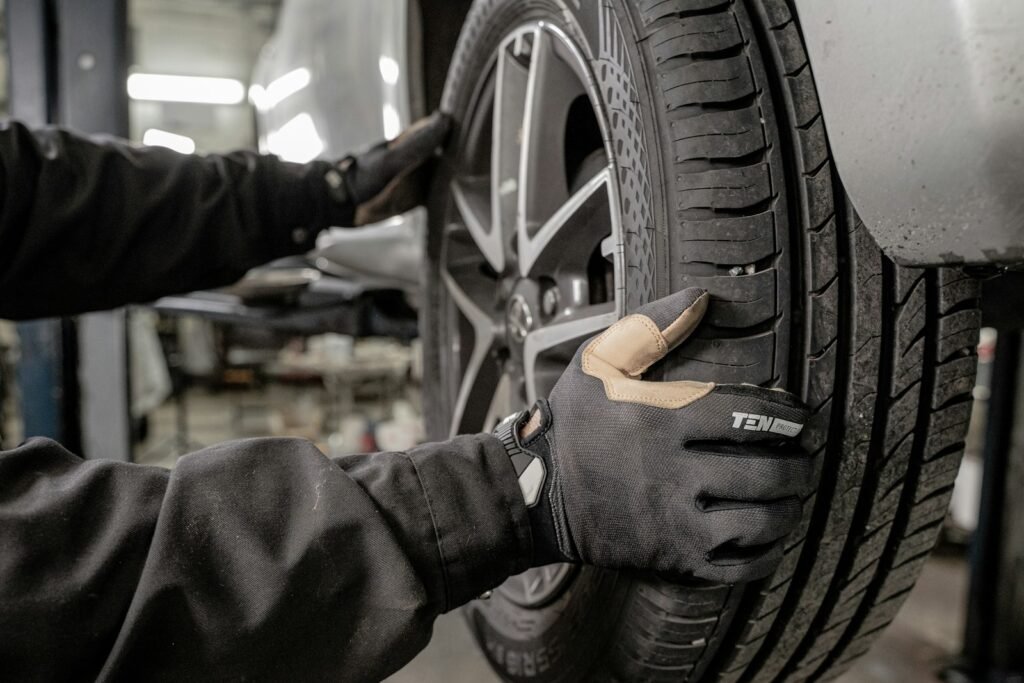
14. Keep Your Tires Properly Inflated
Underinflated tires create more rolling resistance and lower your gas mileage. Check your tire pressure once a month using the number on the sticker inside the driver’s door, not the maximum printed on the tire.
15. Stay on Top of Basic Maintenance
A clean air filter, fresh spark plugs, and the correct grade of motor oil help your engine run efficiently. Follow the maintenance schedule in your owner’s manual, and fix any check engine light promptly, since a bad oxygen sensor can seriously hurt fuel economy.
16. Lose the Extra Weight
Every extra 100 pounds in your car can reduce fuel economy slightly. Clear out heavy items you don’t need, like sports gear or bags of salt from last winter.
17. Remove Roof Racks When Not in Use
Roof racks and cargo boxes add wind drag, especially at highway speeds. If you’re not using them, take them off.
Bigger Changes That Save Even More
If gas is a major expense in your budget, consider a few longer-term moves:
- Carpool with coworkers or neighbors, even a couple of days a week.
- Use public transit or bike for short trips when practical.
- Ask about remote work one or two days a week.
- Choose a fuel-efficient car or hybrid the next time you buy a vehicle.
Make Gas Part of Your Budget
Tracking fuel spending helps you see whether your efforts are working. Give gas its own line in your budget, and if you use a method like the 50/30/20 budget rule, count fuel as a “need.” Any savings you find can go straight into your emergency fund, so a surprise car repair doesn’t become a financial crisis.
Frequently Asked Questions
Is it cheaper to buy gas in the morning?
The idea that cooler morning fuel gives you more for your money is mostly a myth. Gas is stored underground at fairly stable temperatures. What matters more is the price at the pump.
What day of the week is gas cheapest?
In many areas, prices tend to be a bit lower early in the week, Monday or Tuesday, and higher heading into the weekend. Patterns vary by region, so watch your local prices for a few weeks.
Does running the AC use a lot of gas?
Air conditioning does use extra fuel, especially in city driving. At highway speeds, though, open windows create drag, so using the AC is often similar or better.
Should I fill up when my tank is half full?
Filling up around a quarter to half a tank gives you flexibility to wait for a better price instead of being forced to buy at an expensive station.
Final Thoughts
Learning how to save money on gas doesn’t require giving up your car or changing your whole routine. Start with the easy wins: compare prices, use a rewards program, and check your tire pressure. Then build in smoother driving habits. Each tip saves a little, but together they can free up hundreds of dollars a year for the things that matter more to you.