


Most car maintenance jobs sound harder than they really are, and changing the engine air filter is the best example. Many shops charge $50 to $90 for it, yet the job usually takes about 10 minutes, needs no special tools, and the part itself often costs less than a takeout lunch.
If you’ve never opened your hood before, this is a great first DIY project. In this guide you’ll learn how to change a car air filter step by step, how to tell when it needs replacing, which filter to buy, and the small mistakes that can cause big problems.
What Does a Car Air Filter Actually Do?
How to change a car air filter in your engine needs a lot of air to burn fuel. A typical engine pulls in thousands of gallons of air for every gallon of gas it uses. That air carries dust, sand, pollen, leaves, and even insects. The engine air filter sits in a plastic box (called the air box or air filter housing) and catches all of that before it can get inside the engine.
A clean filter protects internal parts like the cylinders and pistons from wear. A clogged one makes the engine work harder to breathe, which can hurt performance and, in some cars, fuel economy.
Quick note: your car may also have a cabin air filter, which cleans the air you breathe inside the car. That’s a different part, usually behind the glove box. This guide is about the engine air filter under the hood.
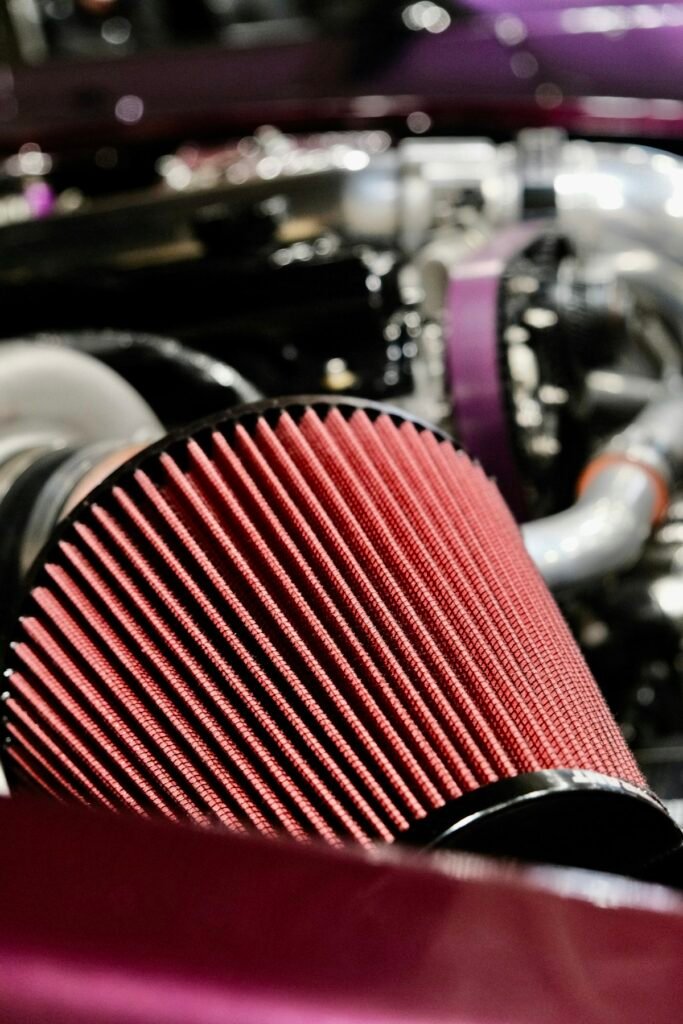
Signs Your Engine Air Filter Needs Replacing
You don’t have to wait for a service light. Watch for these common signs:
- The filter looks gray or black. A new filter is usually white or off-white. If the pleats are dark and packed with dirt, it’s time.
- Slower acceleration. The car feels a little lazy when you press the gas pedal, especially when merging or climbing hills.
- Lower fuel economy. On older, carbureted cars this is very noticeable. On modern fuel-injected cars the effect is smaller, but performance can still drop.
- Strange engine sounds. A very dirty filter can cause a slight coughing or popping sound at idle.
- Check engine light. In rare cases, restricted airflow can upset the air-fuel mixture and trigger a warning.
- Black smoke or a fuel smell from the exhaust. This can happen when the engine gets too little air and burns fuel inefficiently.
A simple test: hold the old filter up to a bright light or the sun. If light barely passes through the pleats, replace it.
How Often Should You Change a Car Air Filter?
Most manufacturers recommend replacing the engine air filter every 15,000 to 30,000 miles, or about once a year for the average driver. Your owner’s manual has the exact interval for your car.
You should check it more often if you:
- Drive on dirt or gravel roads
- Live in a dry, dusty, or sandy area
- Sit in heavy city traffic or construction zones
- Live somewhere with a lot of pollen or wildfire smoke
In these conditions, checking the filter every oil change is a smart habit. Speaking of which, if you’re already under the hood, it’s a good time to check your oil level too.
| Driving condition | Suggested check | Typical replacement |
|---|---|---|
| Normal highway and city driving | Every 12 months | 15,000 to 30,000 miles |
| Dusty, rural, or gravel roads | Every oil change | 10,000 to 15,000 miles |
| Heavy traffic or high pollution | Every 6 months | 12,000 to 20,000 miles |
What You’ll Need
The good news is you probably already have everything:
- A new engine air filter that matches your car’s make, model, year, and engine size
- A screwdriver or socket set (only if your air box uses screws or bolts instead of clips)
- A clean rag or shop vacuum to wipe out the air box
- Gloves (optional, but the old filter can be very dirty)
- A flashlight if you work in a dim garage
Tip: Take a photo of your old filter’s part number or look it up by entering your vehicle details on any auto parts website. The wrong size filter can leave gaps that let dirt slip past.
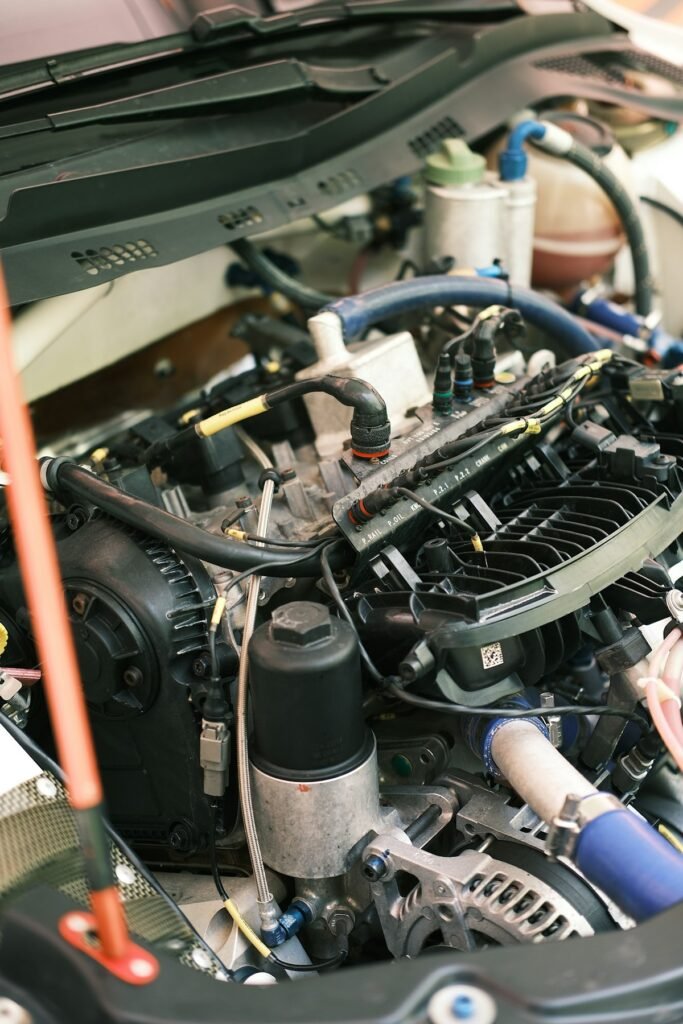
How to Change a Car Air Filter: Step-by-Step
Before you start, park on level ground, turn the engine off, and let it cool for a few minutes. You don’t need to disconnect the battery for this job.
Step 1: Open the Hood and Find the Air Filter Housing
Pull the hood release inside the car, then lift the hood and secure it with the prop rod. Look for a large black plastic box, usually near the front or side of the engine bay. A wide rubber or plastic tube (the intake duct) runs from this box toward the engine. That’s your air box.
If you can’t find it, check your owner’s manual. On some cars, a plastic engine cover must come off first.
Step 2: Open the Air Box
Most air boxes are held shut with metal spring clips. Flip them open with your fingers. Others use screws, bolts, or wing nuts. Loosen them, but don’t remove them completely if you don’t have to, so nothing falls into the engine bay.
Lift the top half of the housing just enough to reach the filter. Be gentle. There may be a sensor or a hose attached to the lid, and you don’t want to pull on the wires.
Step 3: Remove the Old Filter
Lift the old filter straight out. Pay attention to which way it was facing. Most filters have a rubber rim that only fits one way, but it’s still worth noticing which side faced up.
Now compare it with the new one. They should have the same shape, size, and rubber seal.
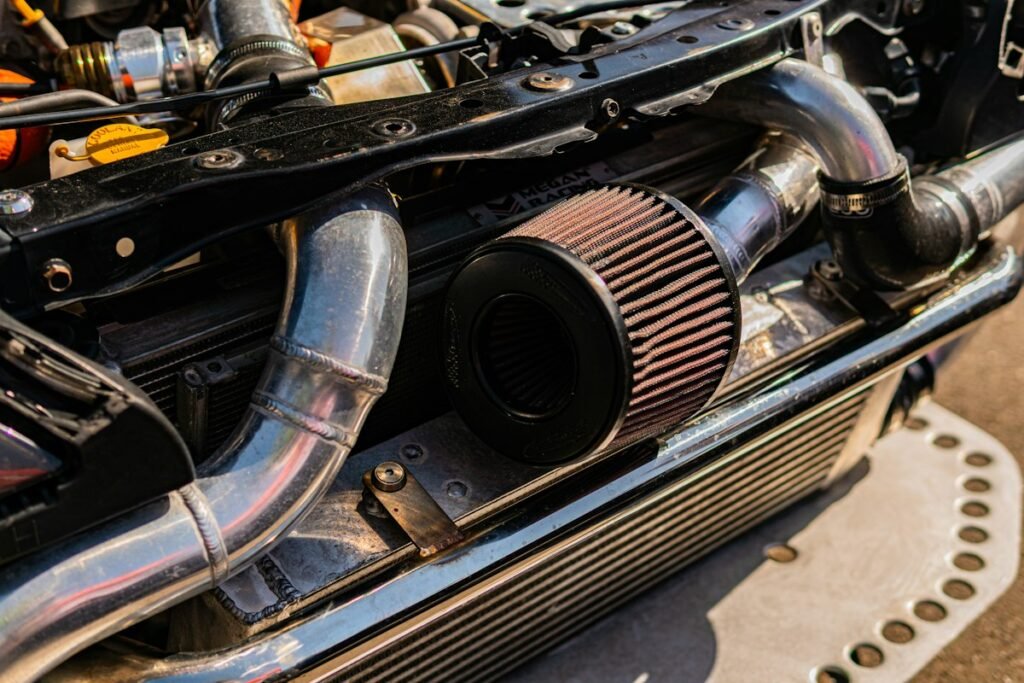
Step 4: Clean the Air Box
This step is often skipped, but it matters. Wipe out leaves, dust, and bugs from the bottom of the housing with a clean rag or a shop vacuum. Never blow compressed air into the box while the filter is out, because you can push dirt straight into the intake.
You can also stuff a clean rag into the intake opening while you work, just remember to remove it afterward.
Step 5: Install the New Filter
Place the new filter in the housing the same way the old one sat. Press around the edges so the rubber seal sits flat and even. There should be no gaps around the rim. A filter that’s sitting crooked lets unfiltered air sneak around it, which defeats the whole purpose.
Step 6: Close and Secure the Housing
Lower the lid carefully and make sure it lines up evenly all the way around. Snap the clips back into place or tighten the screws by hand until snug. Don’t over-tighten plastic parts, as they can crack.
Double-check that any hoses or sensor connectors you moved are still connected.
Step 7: Start the Engine and Check
Close the hood, start the car, and let it idle for a minute. It should sound normal. If you hear a whistling or sucking noise, the lid may not be sealed, so open it and reseat the filter.
That’s it. Write the date and mileage on a small sticker or in a notes app so you’ll know when to check it again.
Common Mistakes to Avoid
- Buying the wrong filter. Close enough isn’t good enough. Always match the exact part number.
- Installing it upside down or crooked. This creates gaps and lets dirt in.
- Leaving a rag or tool in the air box. Always do a final check before closing the lid.
- Forcing the clips. Old plastic can be brittle. If a clip won’t move, wiggle it gently instead of prying hard.
- Ignoring the mass airflow (MAF) sensor. Never touch the small wires inside this sensor, which is often attached near the air box. They are delicate and expensive.
- Oiling a paper filter. Only reusable cotton filters need special oil. Standard paper filters should stay dry.
Paper vs. Reusable Air Filters: Which Is Better?
| Feature | Paper (disposable) | Reusable (cotton or foam) |
|---|---|---|
| Upfront cost | $12 to $30 | $45 to $80 |
| Lifespan | Replace every 15,000 to 30,000 miles | Clean every 30,000 to 50,000 miles |
| Maintenance | None, just swap | Wash, dry, and re-oil |
| Best for | Most daily drivers | Enthusiasts who keep cars long term |
For most people, a quality paper filter from a trusted brand is the simplest choice. Reusable filters can save money over many years, but only if you clean and oil them correctly. Too much oil can coat the MAF sensor and cause problems.
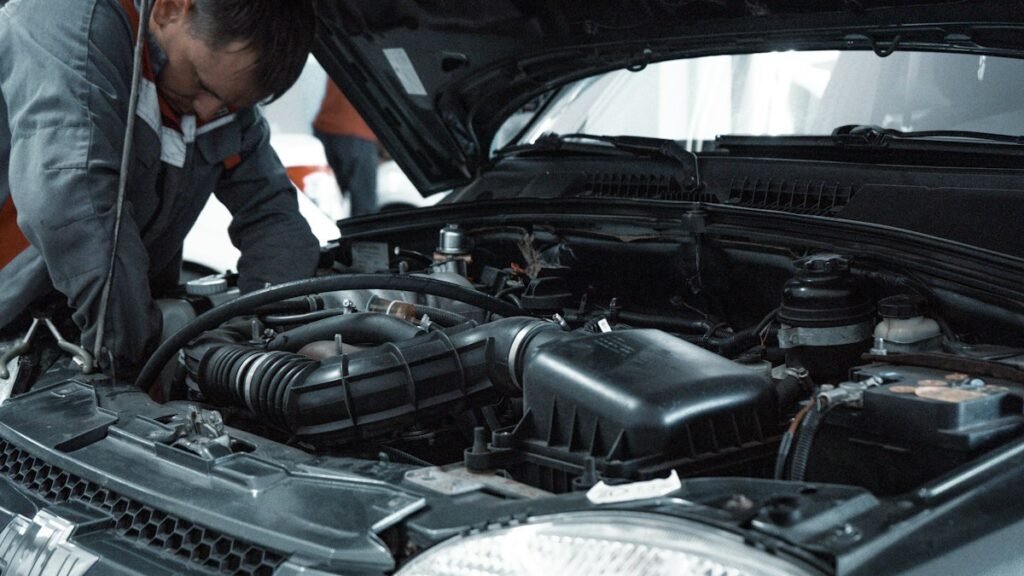
How Much Does It Cost to Replace a Car Air Filter?
- DIY: about $12 to $30 for the filter, depending on your vehicle
- Quick lube or dealership: usually $40 to $90 with labor
Doing it yourself once or twice a year can easily save you $50 to $100 annually. And once you’ve done it, you’ll realize there’s no reason to pay someone else. If you’re trying to keep car costs down overall, learning simple jobs like this pairs well with regular checks like the ones in our hybrid car maintenance guide.
Frequently Asked Questions
Can I drive with a dirty air filter?
Yes, for a short time, but you shouldn’t put it off. A dirty filter reduces airflow, which can lower power and, over time, let fine dust reach the engine if the filter gets damaged. It’s a cheap part, so it’s best to replace it soon.
Can I clean a paper air filter instead of replacing it?
You can tap out loose debris as a temporary fix, but you can’t truly clean a paper filter. Washing it or blowing it out with high-pressure air can tear the material. Replacement is the safe choice.
Is the engine air filter the same as the cabin air filter?
No. The engine air filter protects your engine and sits under the hood. The cabin air filter cleans the air coming through your vents and is usually behind the glove box. Both need replacing, but on separate schedules.
Will a new air filter improve gas mileage?
On older carbureted cars, yes, sometimes noticeably. On modern fuel-injected cars, the computer adjusts fuel automatically, so the bigger benefit is restored acceleration and engine protection rather than a big jump in MPG.
How long does it take to change a car air filter?
For most cars, 5 to 15 minutes. Some vehicles with tight engine bays or engine covers can take a little longer, but it’s still one of the quickest jobs you can do.
Final Thoughts
Learning how to change a car air filter is one of the easiest ways to start doing your own car maintenance. It takes about ten minutes, costs very little, and helps your engine breathe and perform the way it should. Check the filter once a year or every oil change if you drive in dusty conditions, and replace it when it looks dark or clogged.
Once you’ve done it once, you’ll never want to pay shop labor for it again.



Pingback: How To Defrost Car Windows Fast (Inside & Outside): 8 Methods