
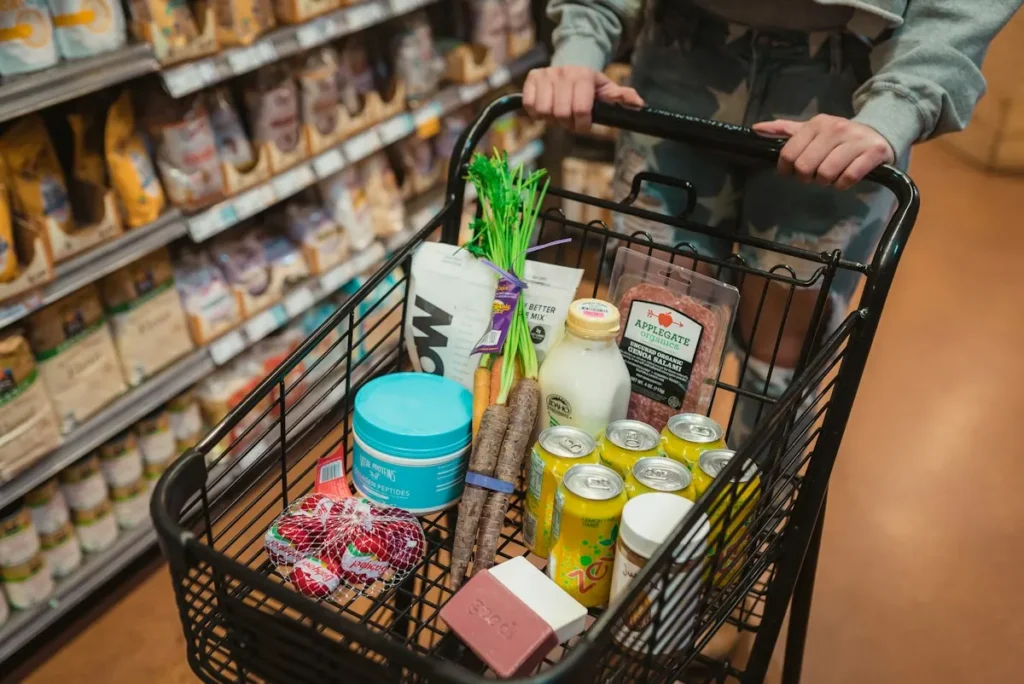

The quickest way to cut your grocery bill is to plan meals around what you already own and what is on sale, then shop with a list you actually follow. Most beginners chase coupons first, while impulse buys, food waste and brand-name habits quietly eat most of their budget. This guide explains how to save money on groceries with a simple weekly system, smart store choices and easy habits that work for singles and families.
Why Grocery Bills Get Out of Control
Grocery spending rarely jumps because of one big purchase. It creeps up through small choices. A few extra snacks, a pre-cut fruit tray, a second trip for one forgotten item, and food that spoils before you use it all add up.
Stores are also designed to make you spend more. Tempting items sit at eye level and near the checkout. Sales signs make products feel like deals even when they aren’t. Knowing these patterns is the first step to beating them.
Set a Realistic Grocery Budget First
Start by checking what you spent over the last two or three months. Look at bank or card statements and total every grocery trip. That number is your real starting point, not a guess.
Next, set a weekly or monthly target that is slightly lower, such as 10 to 15 percent less. Small cuts are easier to stick with. The USDA also publishes food plans at different cost levels, which can help you compare your spending to typical households of your size.
Plan Before You Shop
Check Your Pantry, Fridge and Freezer
Before planning meals, look at what you already have. Build at least two or three meals around food that needs to be used soon. This one habit cuts waste and lowers your bill right away.
Make a Weekly Meal Plan
You don’t need a complicated system. Plan five or six dinners, a few simple breakfasts, and lunches made from leftovers. Choose recipes that share ingredients. For example, one bag of spinach can go into eggs, pasta and a salad during the same week.
Write a List and Stick to It
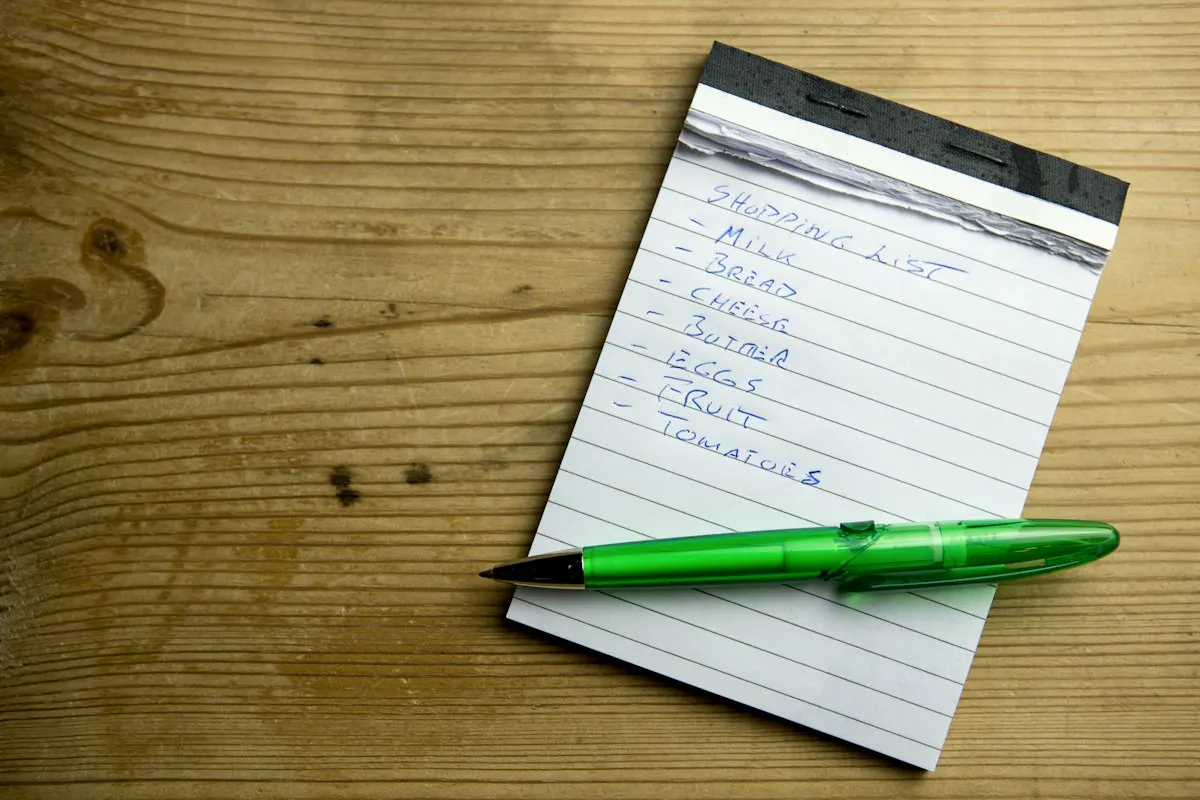
Group your list by store section to shop faster and avoid wandering the aisles. If an item isn’t on the list, wait a day before buying it. Most impulse buys lose their appeal once you leave the store.
Smart Shopping Habits That Save the Most
- Compare unit prices. The small unit price on the shelf tag shows cost per ounce or pound. It reveals which size is really cheaper.
- Buy store brands. Store-brand staples like flour, rice, canned goods and spices are often similar in quality and noticeably cheaper.
- Shop the weekly ad. Plan meals around the store’s sale items, especially proteins.
- Choose whole over pre-cut. Whole carrots, blocks of cheese and whole chickens cost less than prepped versions.
- Buy frozen produce. Frozen fruits and vegetables are picked ripe, last for months and reduce waste.
- Eat with the seasons. Seasonal produce is cheaper and tastes better.
- Never shop hungry. Hunger makes snacks and ready meals far more tempting.
Choosing Where to Shop
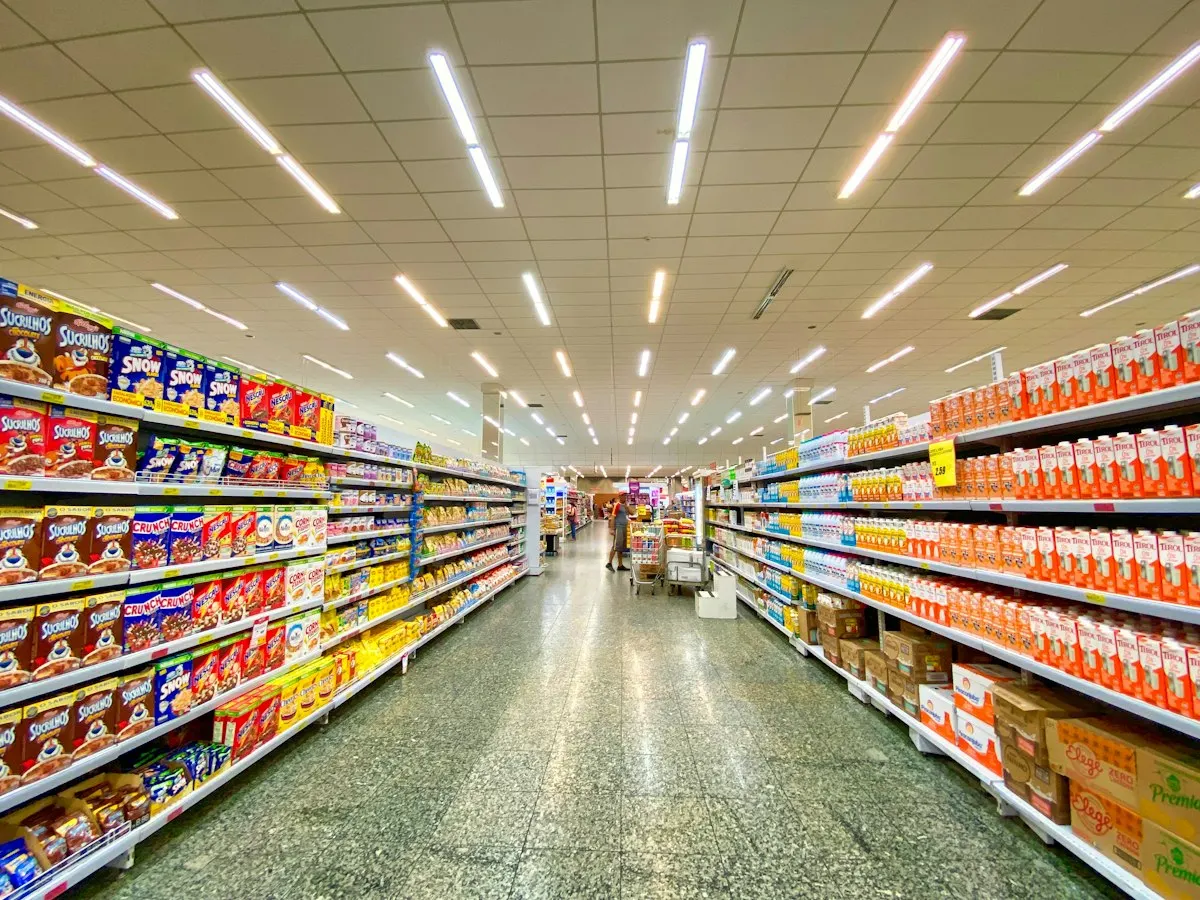
The store you pick can matter as much as what you buy. Many people save by splitting their shopping between two stores, using one for staples and another for sales.
| Store Type | Best For | Watch Out For | Savings Potential |
|---|---|---|---|
| Discount grocer (such as Aldi or Lidl) | Everyday staples, produce, dairy | Smaller selection, fewer name brands | High |
| Regular supermarket | Weekly sales, loyalty deals, variety | Higher regular prices | Medium |
| Warehouse club | Bulk paper goods, freezer items, large families | Membership fee, buying too much | Medium to high |
| Online pickup or delivery | Avoiding impulse buys, tracking a budget | Delivery fees, markups, tips | Medium |
| Farmers market | Seasonal produce at peak | Prices vary, can be higher | Low to medium |
Use Apps, Loyalty Programs and Coupons Wisely
Store loyalty programs are free and often unlock digital coupons and personalized deals. Load the coupons before you shop. Cashback apps like Ibotta and Fetch can return small amounts on items you already buy.
The key word is already. A coupon only saves money if you would have bought that item anyway. Buying something just because it has a deal is still spending. Track how much you actually save each month to see if an app is worth your time.
Buy in Bulk the Right Way
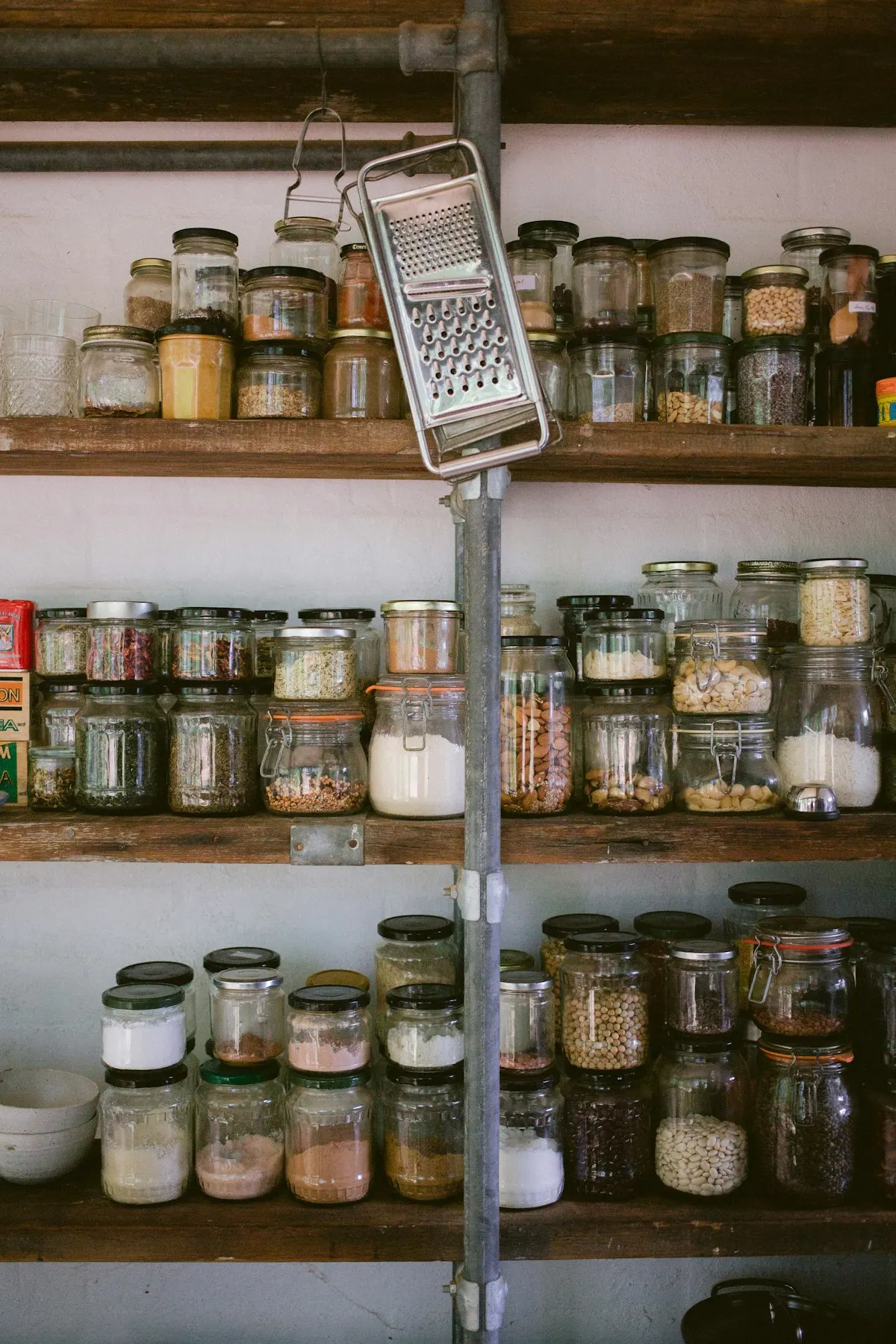
Bulk buying saves money only on items you use often and can store safely. Good choices include rice, oats, dried beans, frozen meat, toilet paper and cleaning supplies. Poor choices include fresh produce, large tubs of sauces you rarely use, and snacks that disappear faster just because there is more of them.
Before buying in bulk, compare the unit price with the regular store size. Bigger isn’t always cheaper.
Cut Food Waste at Home
Throwing away food is like throwing away cash. A few habits make a big difference:
- Store produce properly, keeping herbs in water and berries dry until you eat them.
- Use a “use first” bin in the fridge for food that needs eating soon.
- Freeze bread, cooked rice, ripe bananas and leftovers before they spoil.
- Cook once, eat twice. Plan leftovers on purpose for lunches.
- Turn scraps into soups, stir-fries or fried rice.
Budget-Friendly Meal Ideas
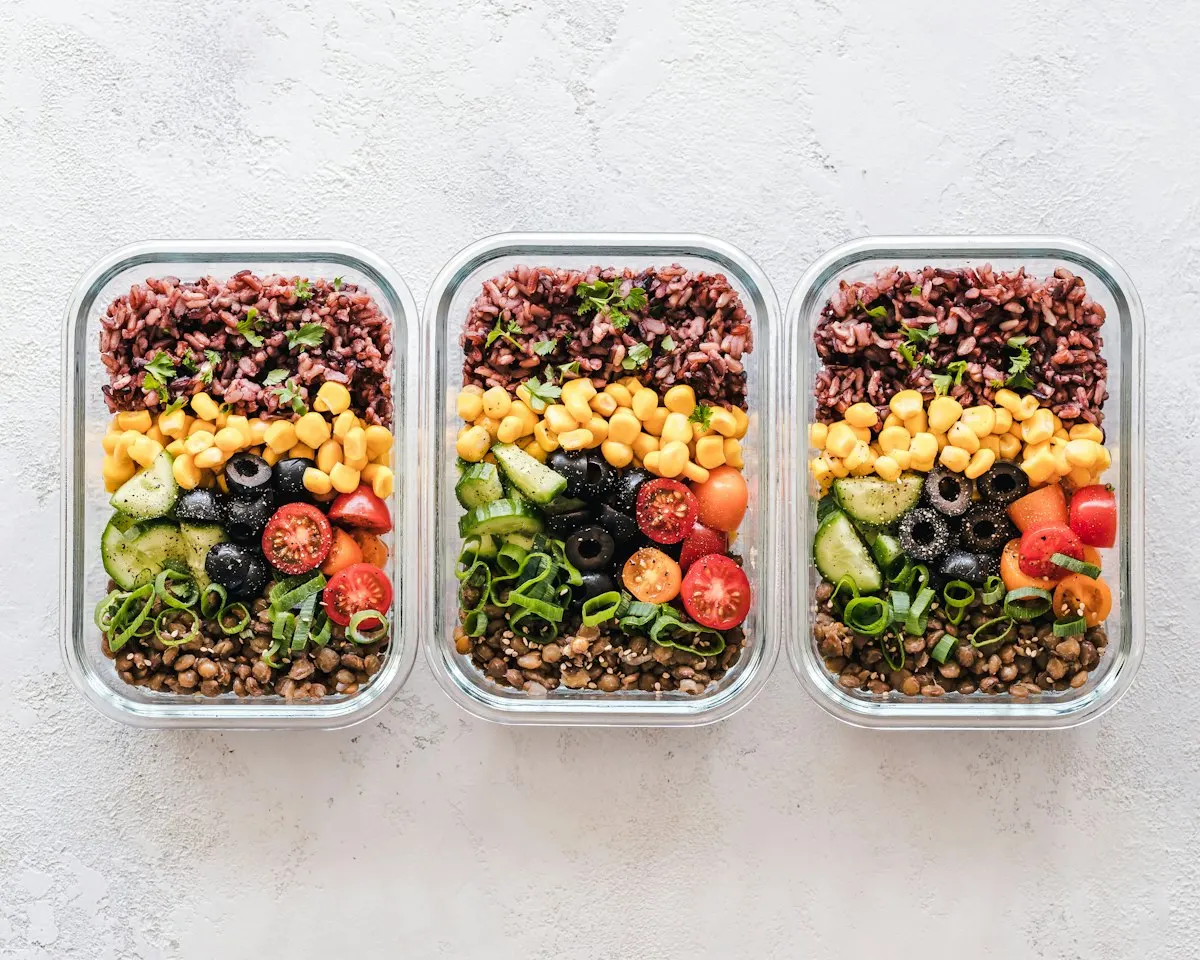
Cheap meals don’t have to be boring. Rotate a few low-cost dinners that your household enjoys, such as bean chili, pasta with seasonal vegetables, egg fried rice, sheet-pan chicken thighs with potatoes, lentil soup, or homemade pizza on simple dough. Adding one or two meatless meals per week can lower your bill without much effort.
Track Your Progress
Keep receipts or note each trip in a budgeting app. After a month, you will see where your money goes and which habits work. A simple price book, where you write down normal prices for items you buy often, helps you spot a real sale. If you want a bigger reset, try a short no-spend challenge, and use a sinking fund for big yearly food costs like holidays.
Common Mistakes That Cost You More
- Shopping without a list. This leads to impulse buys and repeat trips.
- Falling for fake deals. “10 for $10” isn’t a deal if you only need two.
- Ignoring unit prices. Family-size packs aren’t always cheaper.
- Buying too much fresh produce. Overbuying leads to spoilage.
- Making frequent small trips. Each trip adds temptation. One planned weekly trip is usually cheaper.
Frequently Asked Questions
What is the fastest way to save money on groceries?
Plan meals around what you already have and what’s on sale, then shop with a strict list. This cuts impulse buys and waste right away.
How much should I spend on groceries per month?
It depends on household size, location and diet. Check your last few months of spending, then use the USDA food plans as a comparison point.
Are store brands as good as name brands?
For many staples, they are very similar. Try store brands on basics like rice, canned tomatoes and spices, then decide what you like.
Is it cheaper to buy groceries online?
It can be, because pickup helps you avoid impulse buys. But watch for delivery fees, higher item prices and tips, which can cancel out savings.
Is buying in bulk really cheaper?
Only for items you use regularly and can store. Always compare unit prices, and avoid bulk fresh food that may spoil.
What day of the week is cheapest to shop for groceries?
Many stores start weekly sales midweek, often on Wednesday. Check your local store’s weekly ad, since schedules vary.
How can a family of four save on groceries?
Plan meals with shared ingredients, cook in batches, buy staples in bulk, and pack lunches. Involving kids in planning also reduces waste.
Do cashback apps really save money?
They can add up over time if you only use them for items you already buy. Track your earnings to see if they’re worth the effort.
How do I save money on groceries and still eat healthy?
Focus on low-cost healthy staples like beans, oats, eggs, frozen vegetables, seasonal fruit and whole grains. Cook at home more often.
How do I stop impulse buying at the grocery store?
Shop with a list, eat before you go, set a spending limit, and consider curbside pickup. Waiting a day before buying extras helps too.
Final Thoughts
Saving on food isn’t about extreme couponing or eating the same cheap meal every night. It comes from a few steady habits: plan around what you have, follow a list, compare unit prices and waste less. Pick two or three tips from this guide on how to save money on groceries, try them for a month, and watch your receipts shrink.
This article is for general educational purposes and is not personalized financial advice.



Pingback: What Is An Emergency Fund? How Much You Need