


When a car shakes as you press the gas, the cause is usually something that spins under load, such as tires, axles, engine parts or mounts. Many drivers assume it is just “bad tires,” get them balanced, and keep driving while a worn axle or misfire gets worse. This guide answers why is my car shaking when I accelerate by matching each symptom to its likely cause, so you know what to check, what it may cost, and when to stop driving.
What Does Shaking During Acceleration Mean?
A shake, shudder or vibration under acceleration means something is out of balance or worn out. The extra force of speeding up makes small problems easy to feel. You may notice it through the steering wheel, the seat, the floor or the gas pedal.
Where you feel it is a helpful clue. A shaking steering wheel often points to the front tires, wheels or axles. A vibration in the seat or floor may come from the rear wheels, driveshaft or engine. Paying attention to these details will save time at the shop.
Read the Pattern Before You Guess
Before looking at parts, notice when the shaking happens. Ask yourself these questions on your next drive:
- Does it shake only when accelerating, or also when cruising at a steady speed?
- Does it start at a certain speed, like 45 or 60 mph?
- Does it get worse when you brake?
- Is the check engine light on or flashing?
- Do you hear clicking, clunking or humming along with the shake?
Write down the answers. A shake that appears only at highway speed tells a different story than one that happens the moment you pull away from a stop sign.
8 Common Reasons Your Car Shakes When Accelerating
1. Unbalanced or Damaged Tires
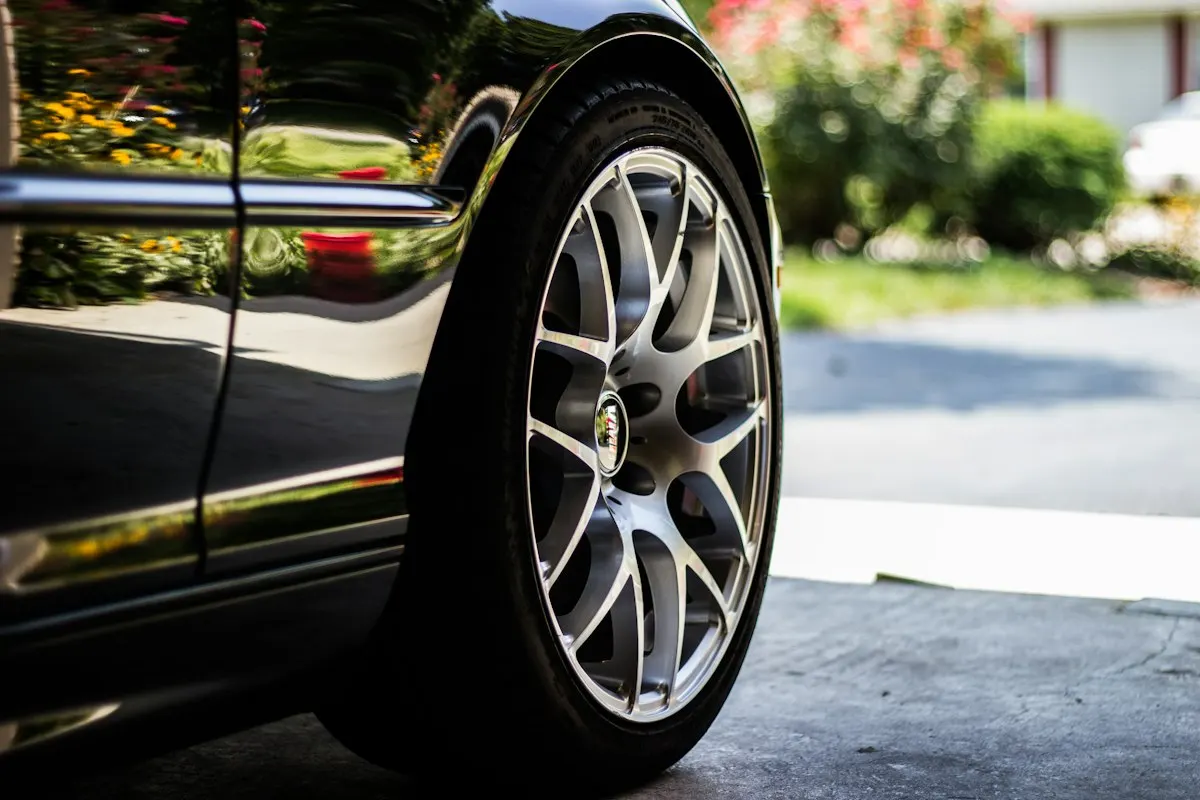
Tires are the most common cause. When a tire loses a small balance weight, it wobbles as it spins faster. You’ll usually feel this between 50 and 70 mph, whether you’re speeding up or cruising. Bulges, flat spots or uneven tread wear cause similar shaking. A tire shop can balance or inspect them quickly.
2. Loose Lug Nuts or a Bent Wheel
If a tire was recently changed, check that the lug nuts are tight. A loose wheel can wobble badly and is dangerous. Hitting a pothole can also bend a rim, which creates a shake that grows with speed. Look for visible damage on the wheel edge.
3. Worn CV Joints or a Damaged Axle
Constant velocity (CV) joints connect the axles to the wheels on front-wheel-drive and all-wheel-drive cars. When the inner CV joint wears out, the car often shakes when you accelerate and smooths out when you let off the gas. A clicking noise during sharp turns usually points to a worn outer CV joint. A torn rubber boot leaking grease is an early warning sign.
4. Engine Misfire
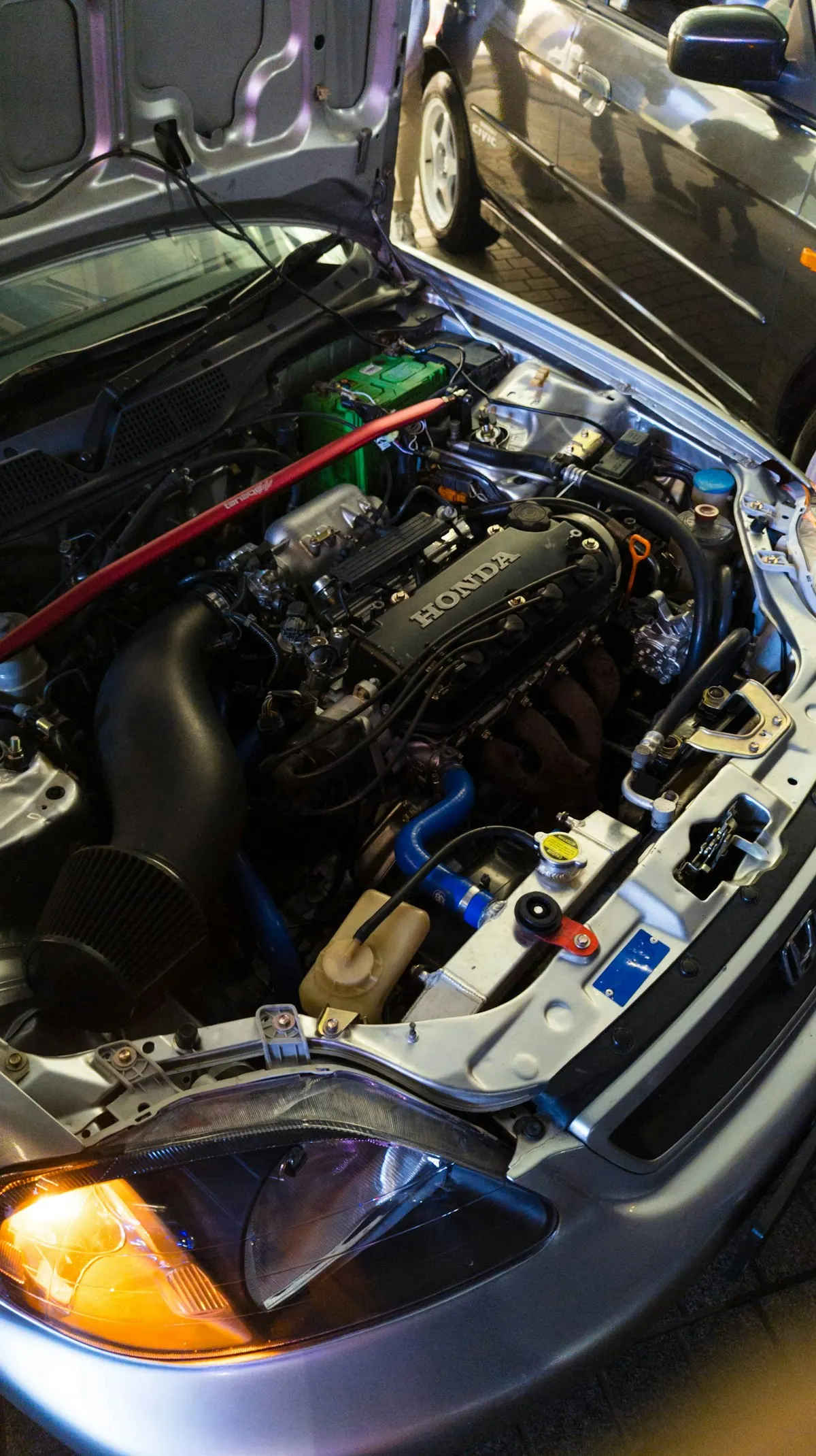
An engine misfire happens when one cylinder fails to burn fuel properly. The engine stumbles, and the car jerks or shudders, especially under load. Common causes include worn spark plugs, bad ignition coils, clogged fuel injectors or vacuum leaks. A flashing check engine light means a serious misfire. Ease off and get it checked soon, because it can damage the catalytic converter.
5. Broken or Worn Motor Mounts
Motor mounts hold the engine in place and absorb its vibration. When they crack or wear out, the engine can rock as you accelerate. You may feel a heavy vibration, hear a clunk when shifting into drive, or notice the car lurch when you hit the gas. Mounts are rubber, so they wear out naturally with age and mileage.
6. Driveshaft or U-Joint Problems
Rear-wheel-drive and four-wheel-drive vehicles use a driveshaft to send power to the rear wheels. A bent driveshaft or worn universal joint (U-joint) causes vibration that often grows with speed. You may also hear a clunk when shifting or a squeak at low speed.
7. Sticking Brake Caliper
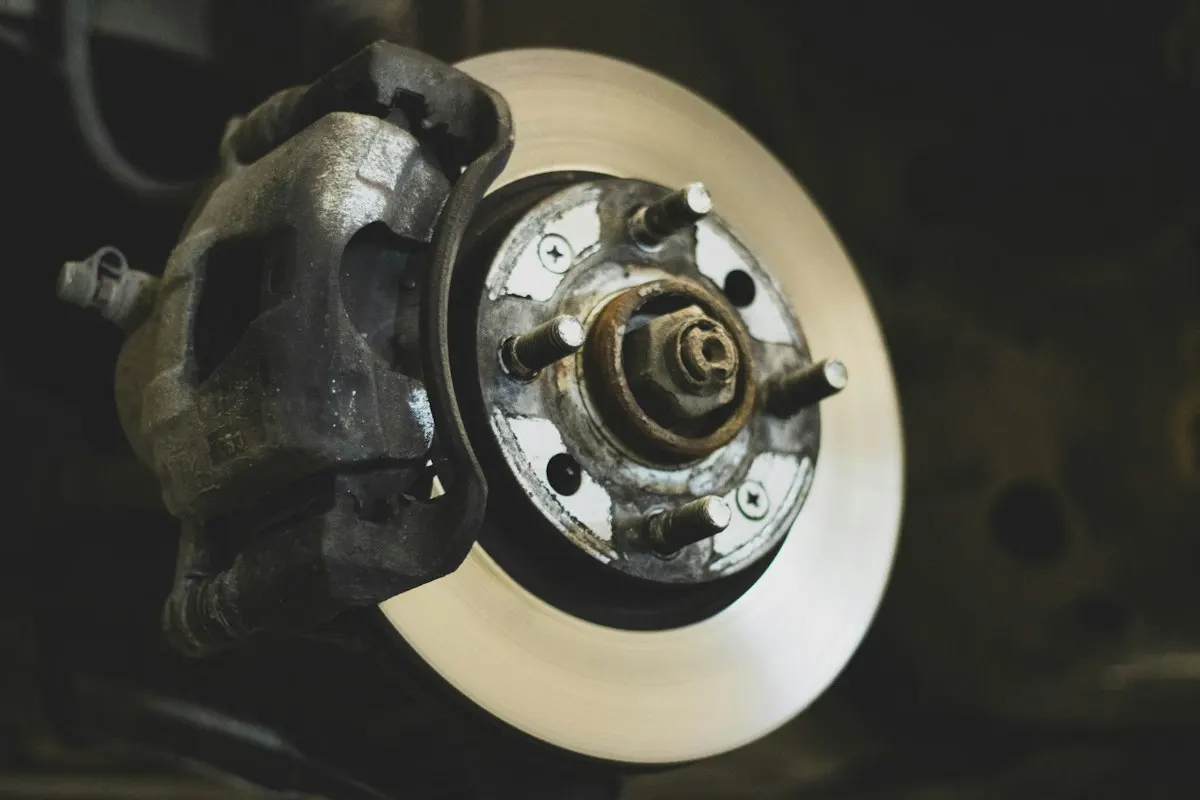
A brake caliper that doesn’t release fully keeps light pressure on the rotor. This can cause shaking, a burning smell and a pull to one side. One wheel may also feel much hotter than the others after a drive. If the shaking is worst when braking, warped or uneven brake rotors are a likely cause.
8. Transmission Issues
An automatic transmission that slips or shifts roughly can make the car shudder as it speeds up. Some cars with a torque converter problem shudder at light acceleration between 30 and 50 mph. Low or old transmission fluid can also play a role. This needs a professional diagnosis.
Symptom Checker: Match the Shake to the Cause
Use this table as a starting point. Repair costs are rough ranges and vary widely by vehicle, location and shop.
| What You Notice | Most Likely Cause | DIY Check | Typical Cost Range |
|---|---|---|---|
| Shake at 50 to 70 mph, steering wheel | Unbalanced tires | Look for missing wheel weights | $40 to $100 to balance |
| Shake right after a tire change | Loose lug nuts | Check lug nuts are tight | Free to tighten |
| Shake when accelerating, stops when coasting | Worn inner CV joint or axle | Look for torn boots or grease | $250 to $900 per axle |
| Jerking plus check engine light | Engine misfire | Scan codes with an OBD2 reader | $100 to $400 for plugs or coils |
| Clunk or lurch when hitting the gas | Worn motor mounts | Watch engine movement while a helper shifts | $200 to $700 per mount |
| Vibration from the floor in RWD vehicles | Driveshaft or U-joint | Check for clunks when shifting | $200 to $800 |
| Shake when braking, burning smell | Brake caliper or rotors | Feel for one hot wheel after driving | $150 to $500 per axle |
| Shudder at light throttle, 30 to 50 mph | Transmission or torque converter | Check fluid level and color | Varies widely |
Quick Checks You Can Do at Home
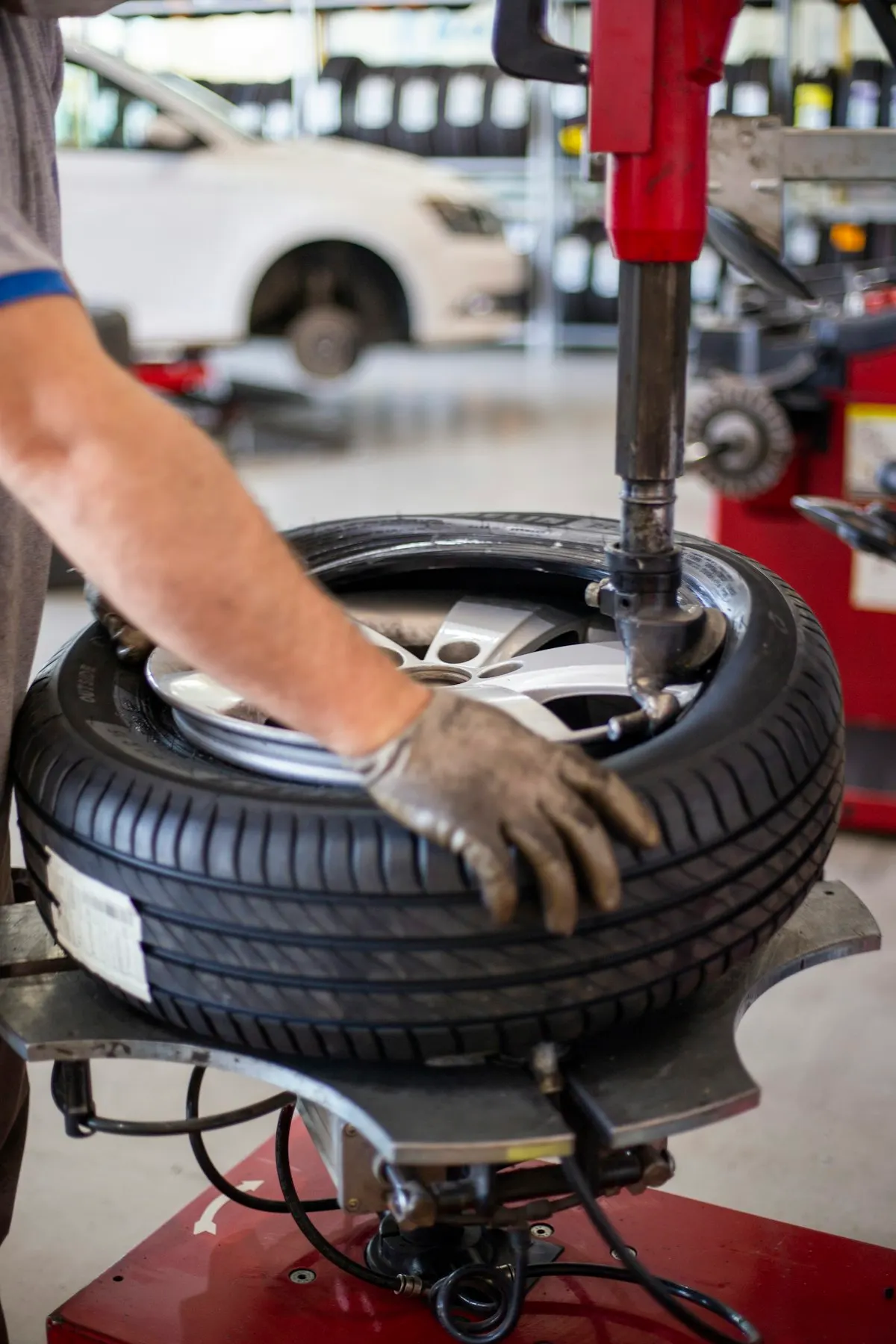
- Inspect your tires. Look for bulges, uneven wear or low pressure. Set pressure to the number on the driver’s door sticker.
- Check the lug nuts. Make sure none are loose, especially after recent tire work.
- Look at the CV boots. With the wheels turned, check the rubber boots behind the front wheels for tears or grease spray.
- Scan for codes. An inexpensive OBD2 scanner reads engine codes. Many auto parts stores will also scan them for free.
- Feel the wheels. After a short drive, carefully hold your hand near each wheel. One that feels much hotter may have a sticking brake.
Is It Safe to Drive a Car That Shakes?
A mild shake from tire balance is not an emergency, but you should fix it soon. Some situations are more serious. Stop driving and get help if the shaking is violent, a wheel feels loose, the check engine light is flashing, or you smell burning. A failing axle or loose wheel can cause a loss of control.
When in doubt, drive slowly to a nearby shop or call for a tow. Continuing to drive with a serious problem often turns a small repair into a big one.
How to Prevent Shaking Problems
- Rotate and balance your tires on the schedule in your owner’s manual.
- Get an alignment after hitting a big pothole or curb.
- Replace spark plugs at the recommended interval.
- Ask your mechanic to inspect CV boots and motor mounts during oil changes.
- Check transmission fluid if your car has a dipstick, and change it as recommended.
Regular care matters even more on hybrids and high-mileage cars. Our guides to hybrid car maintenance and how many miles is too many for a used car explain what to watch for.
Frequently Asked Questions
Why does my car shake when I accelerate but not when I cruise?
This often points to a worn inner CV joint, a bad motor mount or an engine misfire. These parts are stressed most when the engine is pushing hard.
Why does my car shake at 60 mph?
Shaking that starts around 50 to 70 mph is most often caused by unbalanced tires. A bent wheel or worn suspension part can cause it too.
Can bad spark plugs make a car shake?
Yes. Worn spark plugs can cause misfires, which make the engine stumble and the car shudder, especially when accelerating or idling.
Can low transmission fluid cause shaking?
It can. Low or worn fluid may cause slipping, rough shifts or shudder. Check the level if your car has a dipstick, and have it inspected.
Can a wheel alignment fix shaking?
Alignment problems usually cause pulling and uneven tire wear rather than shaking. However, the uneven wear they create can lead to vibration over time.
How much does it cost to fix a car that shakes when accelerating?
It depends on the cause. Tire balancing may cost under $100, while a new axle, motor mount or transmission repair can cost several hundred dollars or more.
Why does my car shake when I accelerate from a stop?
Shaking from a stop is often linked to worn motor mounts, a misfire or a failing CV axle. A clunk when shifting into drive usually points to the mounts.
Can a bad tie rod cause shaking?
Yes. A worn tie rod end can create loose steering, a shaky wheel and uneven tire wear. It should be fixed quickly for safety.
Why does my steering wheel shake when I brake?
This usually means the front brake rotors are uneven or warped. Replacing or resurfacing the rotors and pads typically solves it.
Should I get a diagnostic test?
If quick checks don’t reveal the cause, yes. A mechanic can road test the car, read codes and inspect parts to find the exact problem.
Final Verdict
A car that shakes under acceleration is telling you something has worn out or come loose. Start with the easy checks: tires, lug nuts and engine codes. Then use the symptom table to narrow down the cause. If you’re still asking why is my car shaking when I accelerate after those checks, let a trusted mechanic road test it before a small fix becomes a costly repair.



Pingback: How To Check Oil Level In Your Car: A 5-Minute Guide