


The easiest way to clean baseboards is to remove loose dust first, then wipe them with warm, soapy water and dry them right away. Many beginners skip the dusting step and go straight to a wet cloth, which turns dust into muddy streaks in the corners. This guide covers how to clean baseboards step by step, with the right method for each baseboard type and tricks to keep them clean longer.
Why Baseboards Get So Dirty
Baseboards sit right where dust settles. Every time you walk, vacuum or open a door, tiny particles drift down and land on that flat top edge. Pet hair, scuff marks from shoes and splashes from mopping add to the mess.
Kitchens have it worse. Cooking grease floats through the air and sticks to the trim, which then traps even more dust. Bathrooms collect hair, soap residue and moisture. That is why some rooms need more frequent cleaning than others.
What You’ll Need
- Vacuum with a brush or crevice attachment
- Two or three microfiber cloths
- A bucket of warm water
- Mild dish soap
- White vinegar (for painted or vinyl trim only)
- A soft-bristle brush or old toothbrush for corners
- A melamine sponge, sometimes sold as a magic eraser, for scuffs
- Baking soda for tough marks
- Optional: a long-handled microfiber duster or mop to avoid kneeling
How to Clean Baseboards Step by Step
This basic method works for most painted baseboards. Set aside 15 to 30 minutes per room, depending on how dirty they are.
Step 1: Remove Dust and Loose Debris
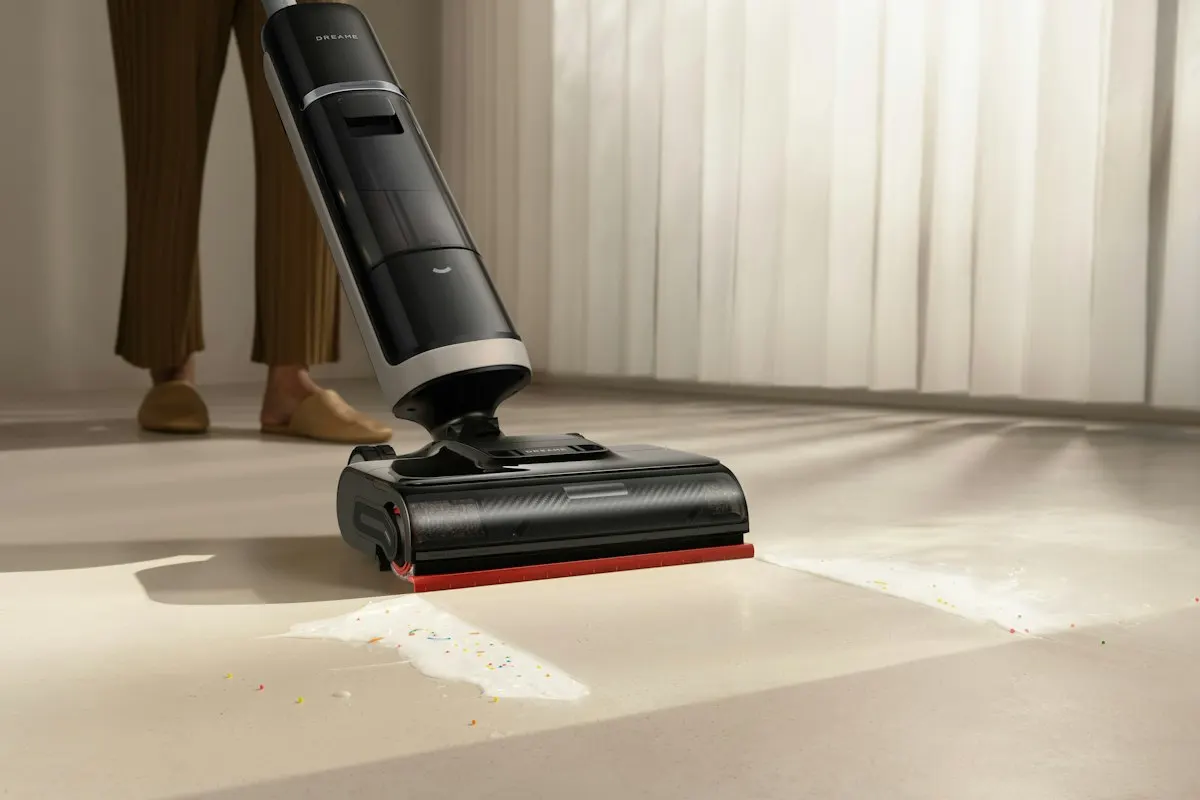
Run your vacuum’s brush attachment along the top edge and face of the baseboard. Use the crevice tool for the gap where the trim meets the floor. If you don’t have a vacuum handy, a dry microfiber cloth works too. Removing dust first prevents streaks later.
Step 2: Mix a Gentle Cleaning Solution
Fill a bucket with warm water and add a few drops of dish soap. That is enough for regular dirt. For greasy kitchen trim, add about a half cup of white vinegar per gallon of water. Skip the vinegar on stained or unsealed wood.
Step 3: Wipe Each Section
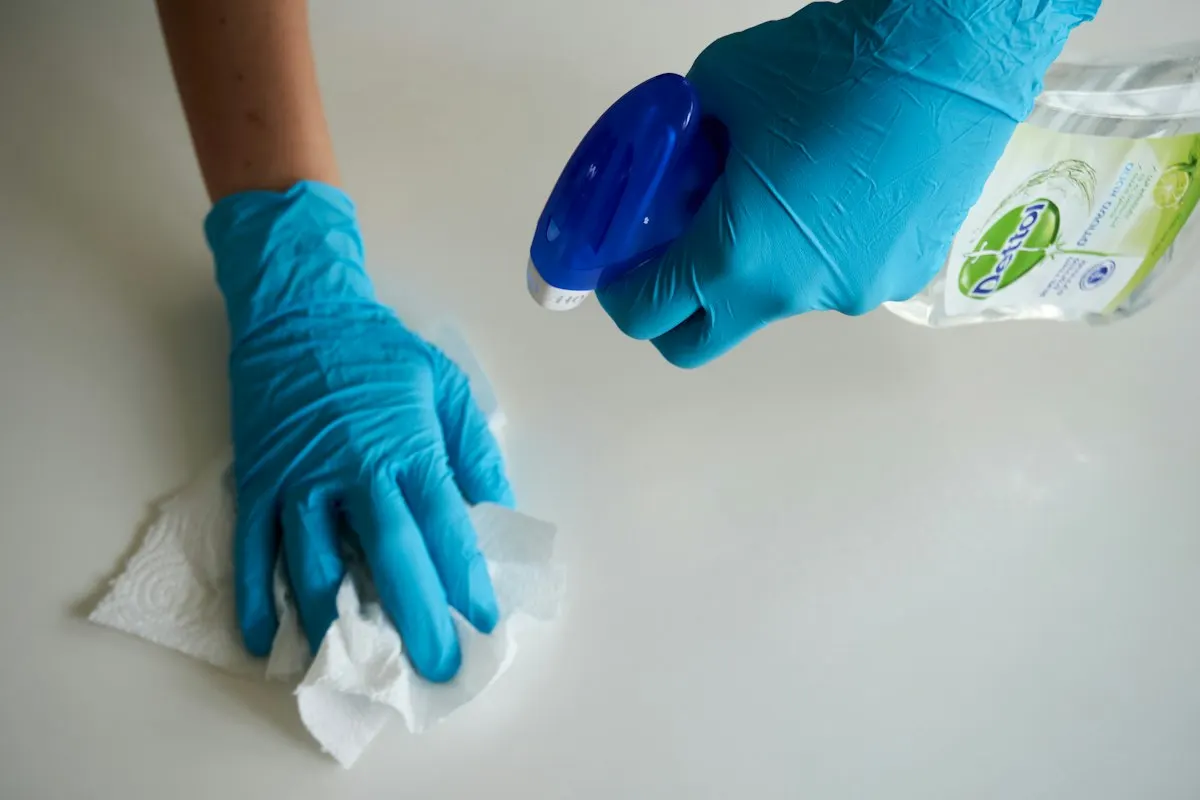
Dip a microfiber cloth in the solution and wring it out well. It should feel damp, not dripping. Wipe a few feet of baseboard at a time, working from top edge to bottom. Rinse the cloth often so you are not moving dirt around.
Step 4: Scrub Corners and Grooves
Decorative trim has grooves that trap grime. Use a soft brush or old toothbrush dipped in the soapy water to clean these spots. Work gently to avoid scratching the paint.
Step 5: Treat Scuffs and Stains
Lightly dampen a melamine sponge and rub scuff marks with gentle pressure. Test it on a hidden spot first, since it can dull glossy paint if you press too hard. For stubborn marks, make a paste of baking soda and water, rub it in with a cloth, then wipe clean.
Step 6: Dry Right Away
Go over each section with a dry microfiber cloth. Drying stops water from soaking into seams or the bottom edge of the trim. It also leaves a streak-free finish.
How to Clean Baseboards Without Bending Over
Kneeling along every wall is hard on the back and knees. Luckily, you don’t have to. A long-handled microfiber mop or flat duster lets you clean while standing up. Spray the mop pad lightly with your cleaning solution, then glide it along the trim.
You can also wrap a damp microfiber cloth around a broom head and secure it with a rubber band. For the deep clean, sitting on a low stool or using knee pads makes the job far more comfortable.
Cleaning Different Types of Baseboards
Not all baseboards should be cleaned the same way. The material and finish decide how much water and scrubbing they can handle.
| Baseboard Type | Best Cleaner | Scuff Remover | Avoid |
|---|---|---|---|
| Painted, semi-gloss | Dish soap and warm water, or diluted vinegar | Melamine sponge with light pressure | Harsh scouring pads |
| Painted, flat or matte | Mild soap and water only | Baking soda paste, very gentle | Melamine sponge, heavy scrubbing |
| Stained or natural wood | Wood cleaner or a barely damp cloth | Soft cloth with wood polish | Vinegar, soaking with water |
| Vinyl or rubber | Dish soap or diluted vinegar | Melamine sponge | Solvent-based cleaners |
| MDF (painted) | Damp cloth with mild soap | Melamine sponge, light touch | Excess water on edges and seams |
Painted Baseboards
Most homes have painted trim with a semi-gloss finish. It is durable and wipes clean easily. Flat paint is more delicate and can show rub marks, so use less pressure and skip the melamine sponge.
Wood Baseboards
Stained wood needs a lighter touch. Use a wood-safe cleaner or a cloth that is barely damp, then dry it immediately. A little furniture polish afterward adds shine and helps repel dust.
MDF Baseboards
MDF is common in newer homes. It swells if water seeps into cracks or the bottom edge. Wring your cloth out very well and never let water pool along the floor line.
Natural and Homemade Baseboard Cleaners
You don’t need fancy products. Warm water with dish soap handles most jobs. A mix of equal parts water and white vinegar cuts grease on painted and vinyl trim. A baking soda paste lifts scuffs without harsh chemicals.
Avoid bleach and abrasive powders on painted trim. They can strip the finish and leave the surface rough, which makes it collect dirt faster.
How Often Should You Clean Baseboards?
A light dusting every week or two keeps buildup under control. A full wet clean every two to three months is enough for most rooms. High-traffic areas, kitchens and homes with pets may need a monthly wipe-down. If your house also feels damp or stale, dusty trim may be part of the problem, and our guide on getting rid of a musty smell in the house can help.
How to Keep Baseboards Clean Longer
- Dust regularly. A quick pass with a microfiber duster stops grime from building up.
- Try a dryer sheet. Wiping clean trim with a used dryer sheet may help repel dust for a while.
- Caulk the top gap. Sealing the gap between the trim and wall stops dust from collecting in the crack.
- Use door mats. Less dirt tracked inside means less dirt kicked onto your trim.
- Mop carefully. Wring out your mop well so dirty water doesn’t splash onto baseboards.
Common Mistakes to Avoid
- Using too much water. Soaked trim can swell, peel or grow mildew along the bottom edge.
- Skipping the dust step. Wet dust turns into streaky paste.
- Scrubbing too hard. Heavy pressure wears down paint, especially flat finishes.
- Using one dirty cloth for the whole room. Switch or rinse cloths often.
- Forgetting to dry. Leftover moisture leaves water spots and can damage wood or MDF.
Once your baseboards look fresh, the floor tiles and grout nearby often look dull by comparison. Our step-by-step guide on how to clean grout covers that next.
Frequently Asked Questions
What is the best thing to clean baseboards with?
Warm water with a few drops of dish soap and a microfiber cloth is the best all-purpose option. It is gentle on paint and removes most dirt and grease.
Can I use vinegar to clean baseboards?
Yes, on painted and vinyl baseboards. Mix it with water first. Avoid vinegar on stained or natural wood, as it can dull the finish.
Do magic erasers damage baseboards?
They can if you scrub hard. Melamine sponges are mildly abrasive. Use light pressure and test a hidden spot, especially on glossy or flat paint.
How do I clean baseboards fast?
Vacuum with a brush attachment, then wipe with a damp microfiber cloth on a long-handled mop. This takes only a few minutes per room.
Does a dryer sheet really keep baseboards clean?
Many people find it helps a little. The sheet leaves a thin coating that can reduce static and dust buildup. It is a bonus, not a replacement for cleaning.
How do I clean sticky or greasy kitchen baseboards?
Use warm water with dish soap and a splash of vinegar. Let the solution sit for a minute, then wipe and dry. Repeat for heavy grease.
How do I clean baseboards with carpet?
Vacuum the edge first, then use a cloth that is barely damp. Hold a piece of cardboard against the carpet so it stays dry while you wipe.
Can I use a steam cleaner on baseboards?
It is risky. Steam can loosen paint, swell MDF and damage wood. A damp cloth is safer for nearly all trim.
How do I remove black scuff marks from baseboards?
Try a lightly damp melamine sponge or a baking soda paste. Rub gently in small circles, then wipe clean and dry.
Should I paint baseboards instead of cleaning them?
If they still look worn after cleaning, a fresh coat of semi-gloss paint helps. Semi-gloss is easier to clean than flat paint in the future.
Final Thoughts
Clean baseboards make a whole room look brighter, even if nothing else changes. The routine is simple: dust first, wipe with a gentle solution, treat scuffs, and dry. Now that you know how to clean baseboards the right way for each type, set a reminder to dust them every couple of weeks, and the deep clean will stay quick and easy.



Pingback: How To Clean A Fan: Ceiling, Box, Pedestal And Tower Fans
Pingback: How To Get Candle Wax Out Of Carpet (5 Easy Methods)