


You walk in the front door and there it is: that damp, stale, slightly earthy smell. It might be worse after rain, stronger in the basement, or only noticeable when you come home from a trip. Candles and sprays cover it for an hour, then it’s back. If you’re trying to figure out how to get rid of musty smell in house rooms for good, the fix starts with understanding where it really comes from.
That’s because a musty smell isn’t really an odor problem. It’s a moisture problem. Once you understand that, getting rid of it becomes a lot more straightforward. This guide shows you how to track down the cause, clear it out room by room, and stop it from coming back.
What Causes a Musty Smell in a House?
That “musty” smell usually comes from mold and mildew. As they grow, they release gases called microbial volatile organic compounds (MVOCs), and that’s what your nose picks up. Mold needs three things: moisture, something to feed on (wood, drywall, fabric, dust), and still air. Common sources include:
- High indoor humidity, especially in summer or in basements
- Small plumbing leaks under sinks or behind appliances
- Poor ventilation in bathrooms and laundry rooms
- Damp laundry, towels, or gym clothes left sitting
- Water getting into basements or crawl spaces
- Dirty HVAC filters, ducts, or air conditioner drip pans
- Old carpet, rugs, or furniture that once got wet
- Roof or window leaks that soak into walls
Step 1: Find the Source First
Don’t start cleaning randomly. Spend 20 minutes doing a “smell walk” through the house:
- Close all windows and turn off fans for an hour so the smell can build.
- Walk slowly through each room and note where it’s strongest.
- Open cabinets, closets, and vanities. Smells often hide in enclosed spaces.
- Check under sinks, behind the toilet, around the dishwasher, and under the fridge with a flashlight.
- Look for signs of moisture: water stains, peeling paint, warped flooring, or black or green spots.
If you smell it everywhere evenly, the cause may be your HVAC system or overall humidity. If it’s strongest in one spot, you’ve likely found your source.
Step 2: Measure Your Humidity
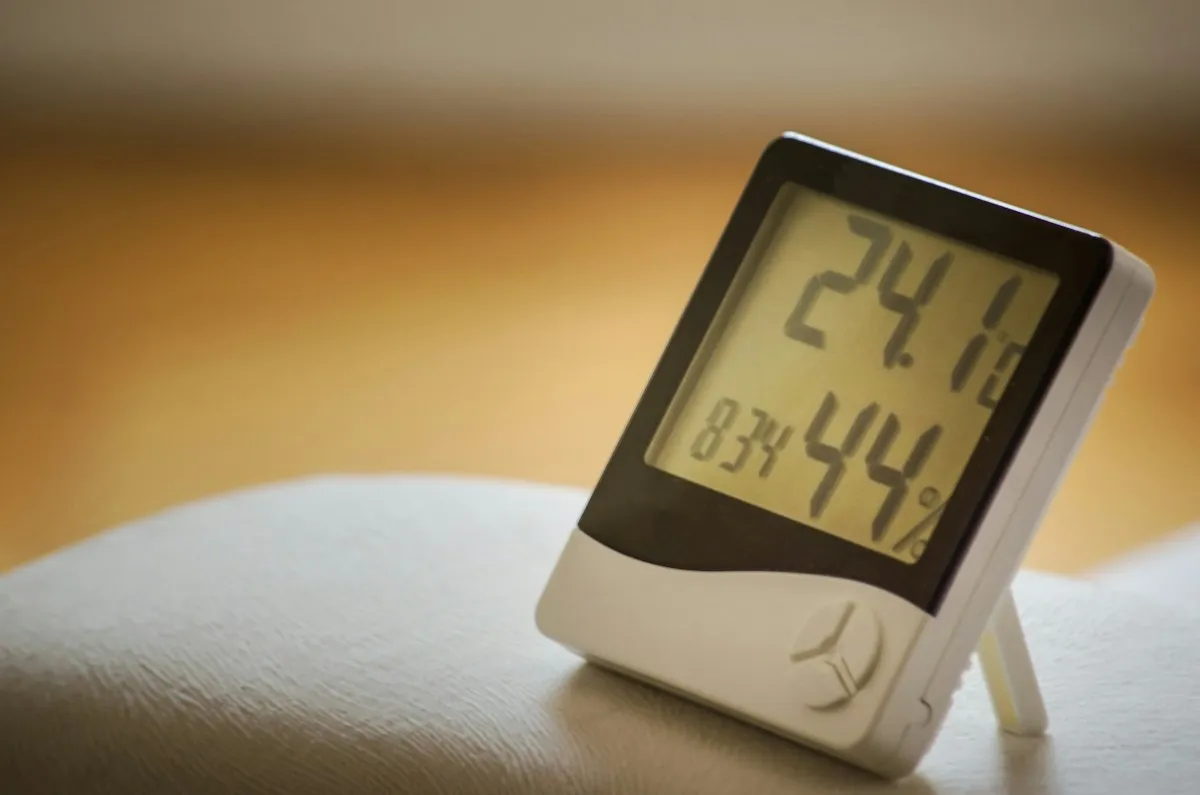
This is the step most guides skip, and it’s the most important. Buy an inexpensive digital hygrometer (often around $10–$15) and check readings in different rooms.
| Indoor humidity | What it means |
|---|---|
| Below 30% | Too dry. Can cause dry skin and static. |
| 30%–50% | Ideal range recommended by the U.S. EPA |
| 50%–60% | Borderline. Keep an eye on it. |
| Above 60% | Mold and mildew can grow. Take action. |
If any room stays above 60%, a dehumidifier is likely the single best fix you can buy.
Step 3: Dry Things Out
- Run a dehumidifier in the dampest area, usually the basement. Pick a size rated for your space. Larger, damper rooms need a higher pints-per-day capacity. Empty the bucket regularly or connect it to a drain.
- Use exhaust fans. Run the bathroom fan during showers and for 20–30 minutes after. Use the kitchen range hood when cooking.
- Open windows on dry days. Cross-ventilation helps, but avoid it on humid, rainy days when it brings moisture in.
- Use your air conditioner. A/C removes moisture from the air as it cools.
- Fix leaks right away. Even a slow drip under a sink can feed mold for months.
Step 4: Clean and Deodorize, Room by Room
Basement
Basements are the number one source of musty smells. Run a dehumidifier constantly in humid months, move items off the floor, and store things in plastic bins instead of cardboard boxes. Check walls for white chalky deposits (efflorescence), which mean water is seeping through. Make sure gutters drain at least a few feet away from the foundation and the soil slopes away from the house.
Bathroom
Scrub grout and caulk lines where mildew builds up. If the caulk around your tub is black and won’t come clean, mold has gotten underneath it, and the fix is to replace it. Our step-by-step guide on how to recaulk a bathtub walks you through it. Wash bath mats and shower curtains regularly and hang towels to dry fully.
Laundry room
Front-load washers are a common hidden source. Wipe the rubber door gasket, clean the detergent drawer, and leave the door open between loads. Run a cleaning cycle once a month. Never leave wet clothes sitting in the machine.
Kitchen
Check under the sink for leaks, clean the dishwasher filter, and pull out the fridge to look for water from the drip pan or ice maker line. Clean the garbage disposal and empty trash often.
Bedrooms and closets
Closets on outside walls can get cold and damp. Leave doors open sometimes, don’t overpack them, and put a moisture absorber (like a calcium chloride tub) inside. Wash or air out bedding, curtains, and stored clothes.
Carpets, rugs, and furniture
Sprinkle baking soda generously, leave it for several hours or overnight, then vacuum thoroughly. For deeper smells, steam clean and make sure it dries fully within 24 hours. A carpet that got soaked and has a persistent smell may need to be replaced along with its pad.
HVAC system
Replace your air filter every 1–3 months, depending on the filter type, pets, and allergies. Have the A/C drip pan and condensate line checked, since standing water there can spread a musty smell through every vent in the house.
Natural Odor Absorbers That Actually Help
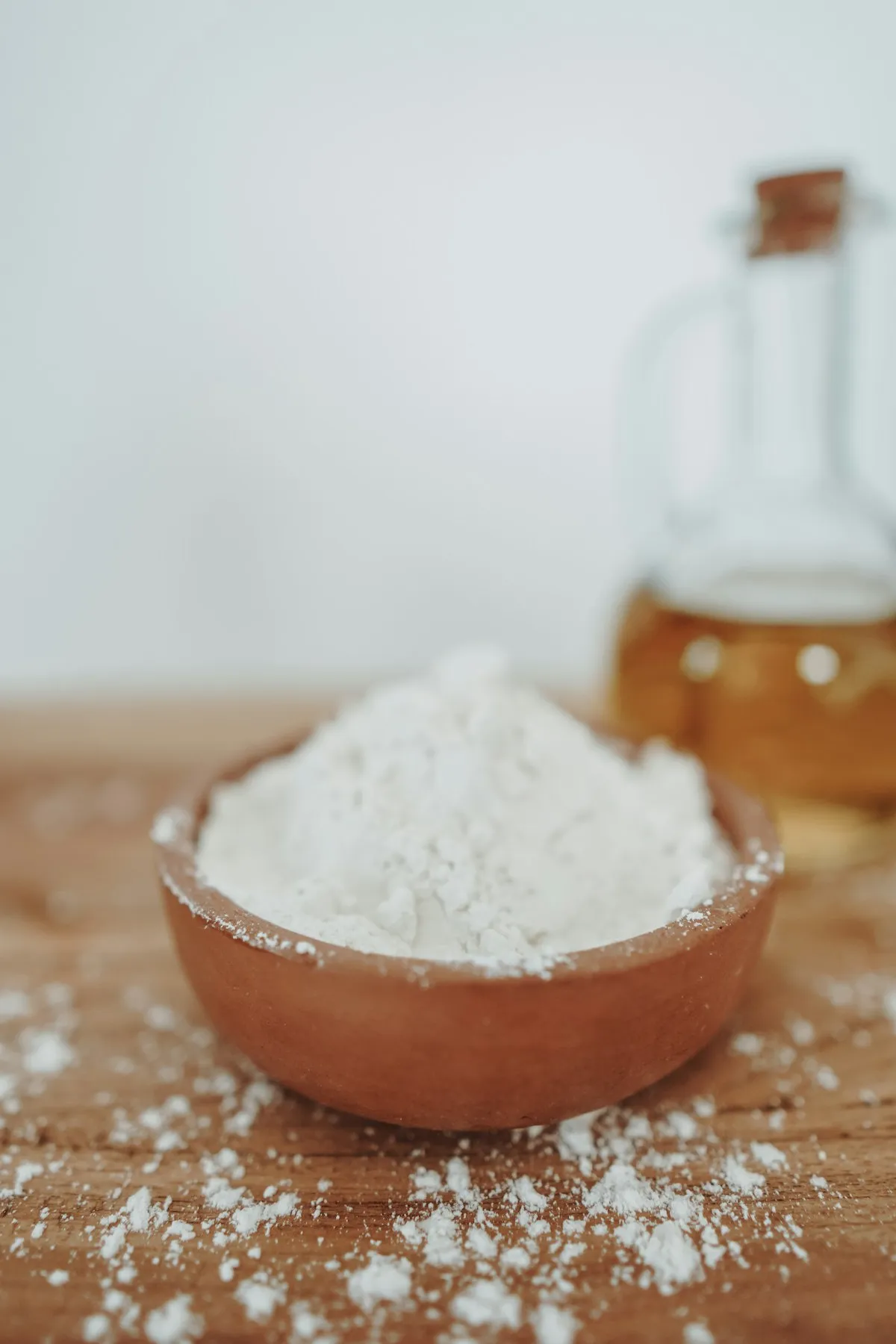
Once the moisture is under control, these help clear lingering smells:
- Baking soda: Open boxes in closets, cabinets, and corners.
- Activated charcoal: Bags work well in closets, cars, and basements.
- White vinegar: A bowl left out overnight absorbs odors. Diluted vinegar also cleans hard surfaces.
- Sunlight: Put rugs, cushions, and bedding outside on a sunny, dry day.
Air fresheners only hide the problem. Use them after the source is fixed, not instead of fixing it.
How to Clean Small Areas of Mold Safely
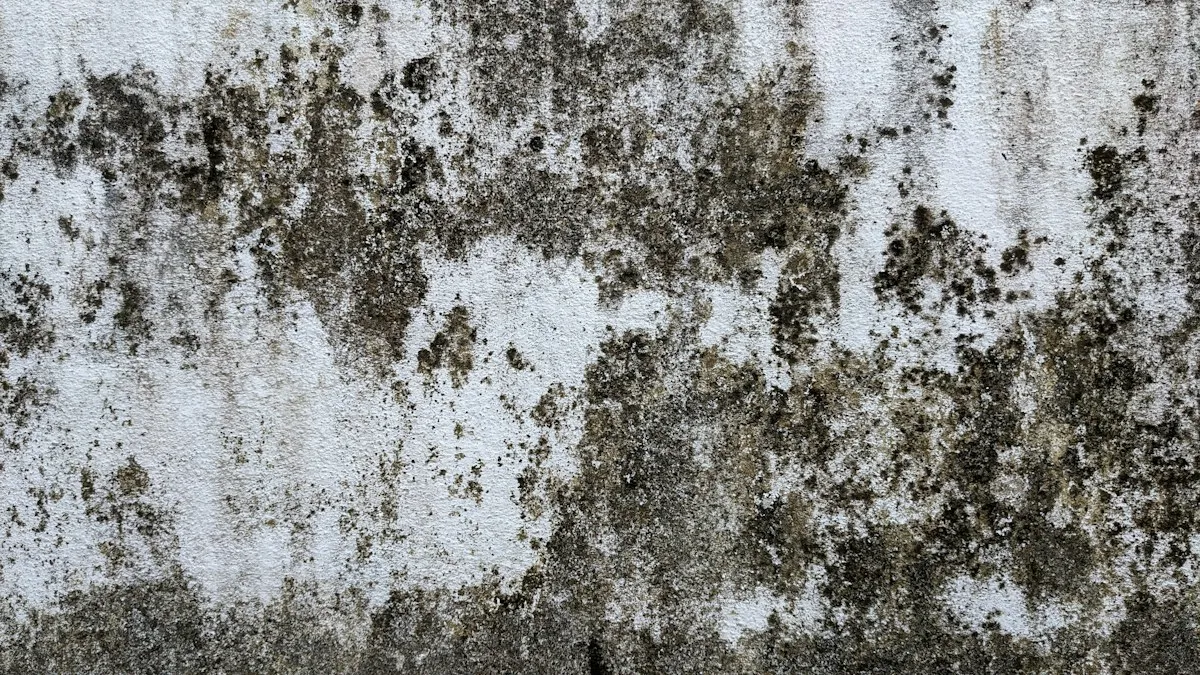
According to the EPA, you can usually handle mold cleanup yourself if the affected area is smaller than about 10 square feet (roughly a 3 ft by 3 ft patch).
- Wear gloves, eye protection, and an N95 mask.
- Scrub hard surfaces with detergent and water, then dry completely.
- Throw away porous items like ceiling tiles or carpet padding that have mold growing on them.
- Never mix bleach with ammonia or other cleaners. It creates toxic fumes.
- Don’t just paint over mold. It will grow back underneath.
When to Call a Professional
Call in help if:
- The moldy area is larger than about 10 square feet
- You suspect mold inside walls, under floors, or in air ducts
- The smell came after flooding or a sewage backup
- You’ve fixed the obvious issues and the smell keeps coming back
- Someone in the home has asthma, allergies, or a weakened immune system and symptoms are getting worse
Depending on the cause, the right pro might be a plumber, a roofer, a basement waterproofing company, an HVAC technician, or a mold remediation specialist. If health symptoms like wheezing, coughing, or ongoing congestion appear, talk to a doctor too.
How to Keep the Musty Smell from Coming Back

- Keep indoor humidity between 30% and 50%
- Run bathroom fans every time you shower
- Dry laundry promptly and completely
- Clean gutters twice a year and keep downspouts pointed away from the house
- Check under sinks and around appliances every few months
- Change HVAC filters on schedule
- Store items in plastic bins, not cardboard, in basements and garages
Many of the supplies mentioned here, like dehumidifiers, hygrometers, and moisture absorbers, are easy to find at large home improvement stores. Our article on how Home Depot works covers shopping there in more detail.
Frequently Asked Questions
Is a musty smell always mold?
Not always, but usually it means mold or mildew is growing somewhere because of excess moisture. Old, damp fabrics and stagnant water can smell musty too.
Why does my house smell musty after it rains?
Rain raises outdoor humidity and can let water seep into basements, crawl spaces, or walls. Check gutters, grading, and foundation cracks.
Can a musty smell make you sick?
Mold can trigger allergy symptoms, asthma attacks, and irritation in sensitive people. If you notice symptoms that improve when you leave the house, find and fix the source and consult a doctor.
How long does it take to get rid of a musty smell?
Once the moisture source is fixed and the area is cleaned, many smells fade within a few days to a couple of weeks. A dehumidifier speeds this up.
Does vinegar kill mold?
Undiluted white vinegar can help clean some types of mold on hard surfaces. It won’t fix the moisture problem behind the mold, so it should be one part of a bigger plan.
The Bottom Line
A musty smell is your house telling you it has a moisture problem. So when it comes to how to get rid of musty smell in house spaces like basements, closets and bathrooms, the formula is simple: find the source, get humidity below 50%, clean the affected areas, and keep air moving. Do that, and the smell won’t just be covered up. It’ll be gone.



Pingback: How To Clean Window Screens: 4 Easy Methods
Pingback: How To Clean Glass Shower Doors: Remove Soap Scum And Hard
Pingback: How To Clean An Artificial Christmas Tree (5 Easy Methods)