
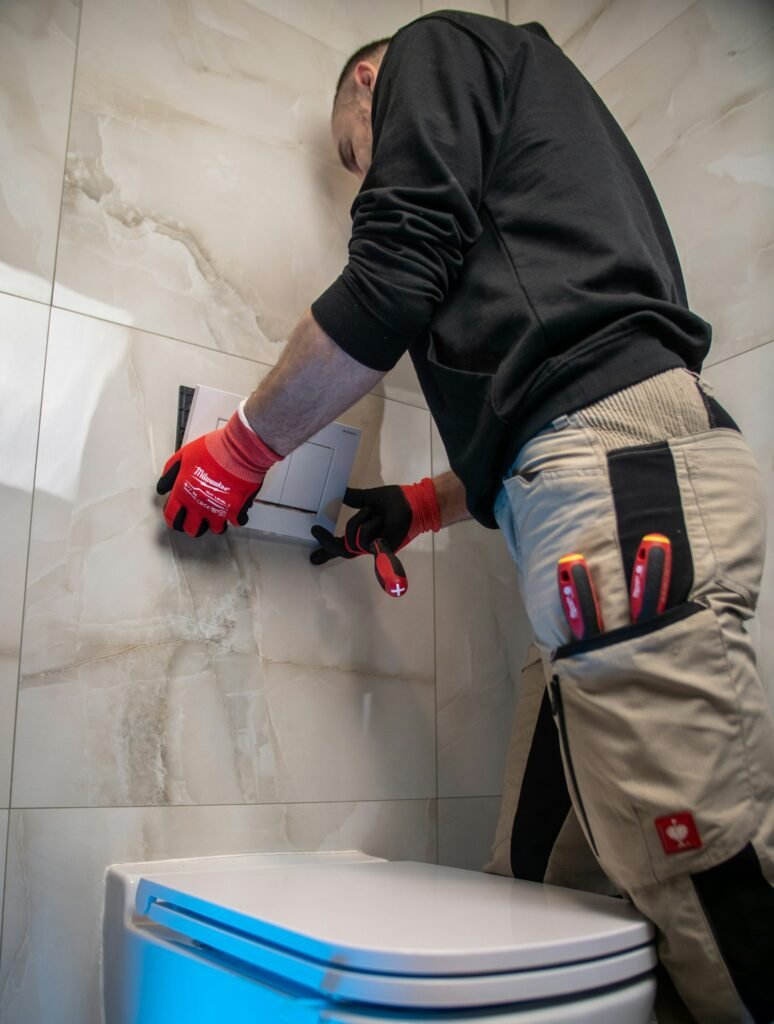

That faint hiss in the middle of the night. The tank that refills on its own every few minutes even though nobody flushed. A running toilet is one of the most common household annoyances, and it is also one of the most expensive ones to ignore. A toilet that runs nonstop can waste around 200 gallons of water a day, which shows up quickly on your water bill.
The good news is that you almost never need a plumber. In most homes the problem comes down to one of three cheap parts inside the tank, and each one can be checked in a couple of minutes. This guide walks you through how to fix a running toilet step by step, starting with the easiest and most likely cause, so you can stop the noise without wasting a Saturday.
Quick answer: Lift the tank lid and look at three things in order: the water level (it should sit about 1 inch below the top of the overflow tube), the flapper (it should seal flat against the drain hole), and the chain (it needs a little slack). Adjusting the float or replacing a worn flapper fixes most running toilets in under 20 minutes.
How a Toilet Tank Works (In 60 Seconds)
Understanding what happens inside the tank makes the fix much easier. When you push the handle, a chain lifts a rubber flapper at the bottom of the tank. Water rushes through the opening into the bowl. As the tank empties, the flapper drops back down and seals the hole.
At the same time, a float drops with the water level and opens the fill valve, which refills the tank. When the float rises back up to the right height, it shuts the valve off. Any extra water spills into the overflow tube so the tank can never flood the floor.
A toilet “runs” when one of these parts stops doing its job. Either water is leaking out of the tank into the bowl, or water is coming in and never shutting off.
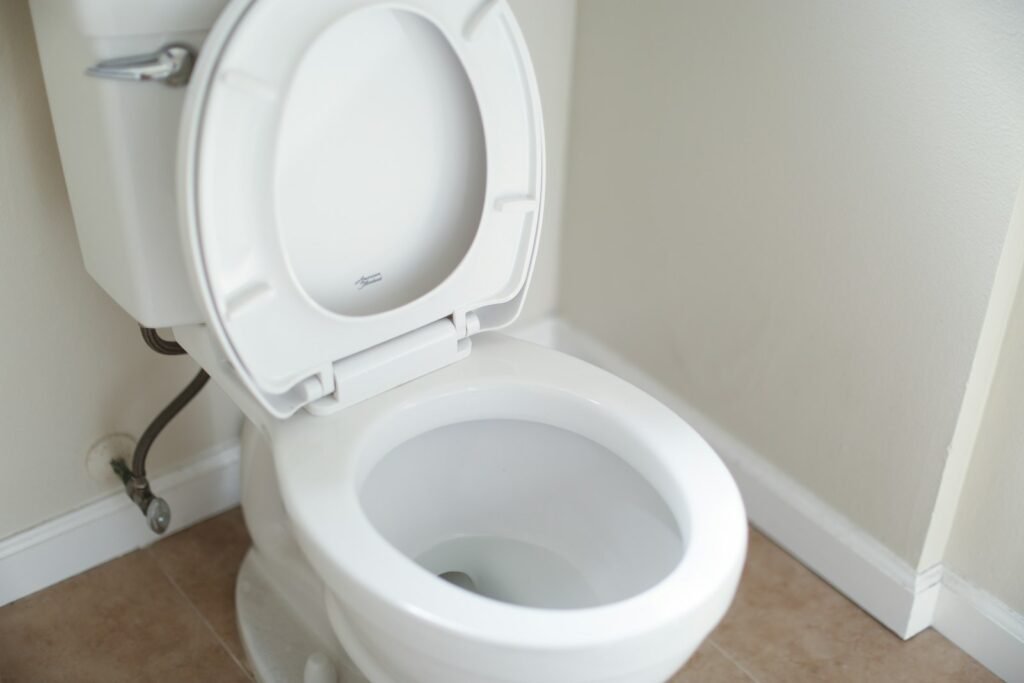
Why Does My Toilet Keep Running? 5 Common Causes
Before you buy anything, figure out which part is failing. Here are the usual suspects, from most to least common:
- A worn or warped flapper. Rubber hardens and cracks over time, especially if you use bleach tablets in the tank. A flapper that no longer seals lets water trickle into the bowl.
- The water level is set too high. If the float lets the tank fill past the overflow tube, water drains away constantly.
- A chain that is too short or tangled. If the chain has no slack, it holds the flapper slightly open.
- A faulty fill valve. Older or clogged fill valves may not shut off completely, even when the float is in the right spot.
- A cracked overflow tube or worn flush valve seat. Less common, but it happens in older toilets.
The 2-Minute Food Coloring Test
Not sure if the flapper is leaking? Put 5 to 10 drops of food coloring in the tank and don’t flush for 15 to 20 minutes. If color shows up in the bowl, water is sneaking past the flapper. If the bowl stays clear but the toilet still runs, the problem is almost certainly the water level or the fill valve.
Tools and Supplies You’ll Need
You won’t need much. Most fixes require nothing more than your hands, but it helps to have these nearby:
- A towel or small bucket for drips
- A sponge to soak up the last bit of water in the tank
- Rubber gloves
- A flat-head screwdriver
- Adjustable pliers or a small wrench
- A replacement flapper or fill valve (only if the steps below point to it)
| Part | Typical Cost | Time to Replace | Difficulty |
|---|---|---|---|
| Flapper | $5 – $15 | 10 minutes | Very easy |
| Flapper chain | $3 – $6 | 5 minutes | Very easy |
| Fill valve | $10 – $25 | 20 – 30 minutes | Easy |
| Flush valve / overflow tube | $20 – $40 | 1 – 2 hours | Moderate |
How to Fix a Running Toilet: Step-by-Step
Work through these fixes in order. Test the toilet after each one. There’s a good chance you’ll be done by step two or three.
Step 1: Turn Off the Water and Take a Look
Find the oval-shaped shutoff valve on the wall behind the toilet, near the floor. Turn it clockwise until it stops. Flush once to empty the tank, then hold the handle down a few seconds so most of the water drains out.
Lift the lid, set it somewhere safe (it’s heavy porcelain and cracks easily), and look inside. Note whether the water was sitting above the overflow tube before you flushed, and whether the chain looks tight or tangled.
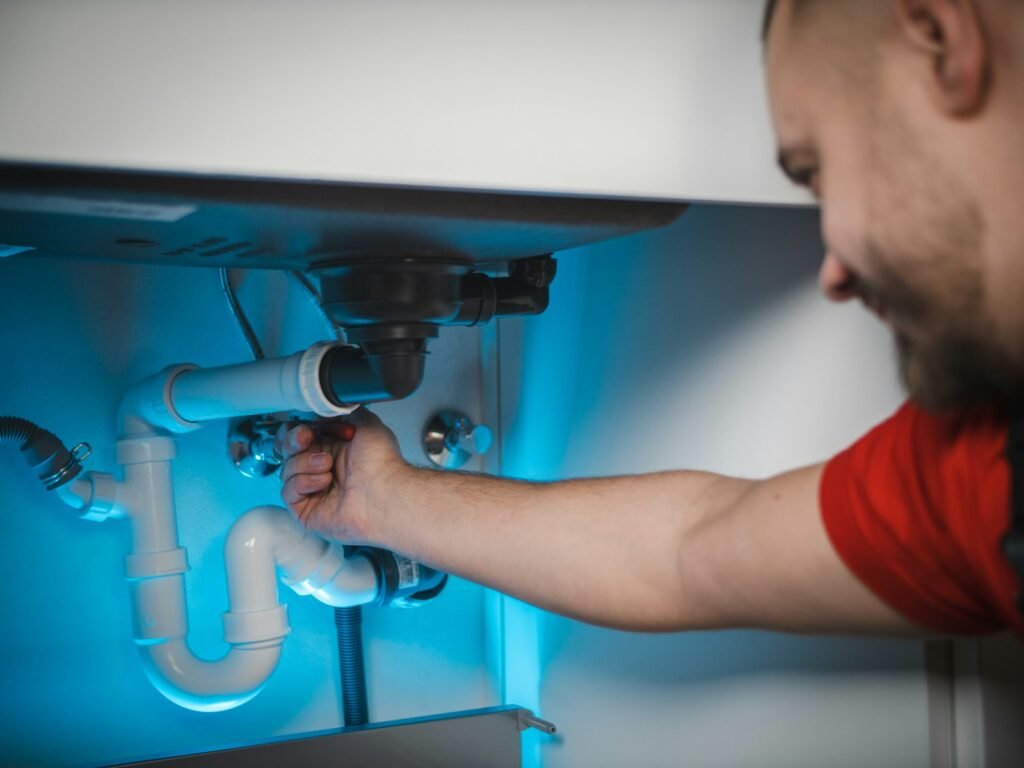
Step 2: Adjust the Chain
The chain connecting the handle arm to the flapper should have about half an inch of slack when the flapper is closed. Too tight, and it holds the flapper open. Too loose, and it can get caught underneath the flapper.
Unclip the chain and move it one or two links to get the right length. If there’s a lot of extra chain dangling, trim it with pliers so it can’t fall under the seal.
Step 3: Lower the Water Level
Turn the water back on and let the tank fill. If water climbs above the top of the overflow tube and spills in, the float is set too high. The ideal level is about 1 inch below the top of the tube, and many tanks have a fill line marked on the inside wall.
How you adjust it depends on your float type:
- Float cup (modern): Look for a long adjustment screw or clip on the side of the fill valve. Turn the screw counterclockwise or squeeze the clip and slide the cup down to lower the water level.
- Ball float (older): Find the screw where the float arm connects to the valve and turn it to lower the ball. If there’s no screw, gently bend the brass arm down a little.
Flush and watch the tank refill. If it shuts off below the overflow tube and the noise stops, you’re done.
Step 4: Clean or Replace the Flapper
If the dye test showed a leak, the flapper is your culprit. First, try cleaning it. Turn off the water, drain the tank, and run your finger around the flapper and the drain seat it sits on. Mineral buildup or slime can keep it from sealing. Wipe both with a cloth or a non-scratch scrub pad.
If the rubber feels stiff, warped, or crumbly, replace it. Here’s how:
- Unhook the chain from the handle arm.
- Pop the flapper’s side ears off the pegs on the overflow tube, or slide the ring off if yours has one.
- Take the old flapper to the store so you can match the size (most are 2-inch or 3-inch).
- Attach the new flapper the same way, reconnect the chain with a little slack, and turn the water back on.
Run the food coloring test again. A clear bowl means the leak is fixed.
Step 5: Replace the Fill Valve
If the water level is correct and the flapper seals but you still hear water running or hissing, the fill valve probably isn’t shutting off all the way. Sometimes debris is the issue. Remove the valve cap (usually a quarter turn), hold a cup over the opening, and turn the water on briefly to flush out grit. Reassemble and test.
If that doesn’t help, replace the whole fill valve. Universal kits fit almost every toilet:
- Turn off the water, flush, and sponge out the tank.
- Put a towel under the tank and unscrew the supply line from the bottom of the tank.
- Unscrew the plastic locknut under the tank and lift out the old valve.
- Adjust the height of the new valve to match your tank, insert it, and hand-tighten the locknut plus a quarter turn.
- Clip the refill tube onto the overflow tube, reconnect the supply line, and turn the water on slowly.
Check under the tank for drips over the next hour.
Step 6: Check the Flush Valve and Overflow Tube
If you’ve done everything above and the toilet still runs, inspect the overflow tube for cracks and the flush valve seat for chips or rough spots. Replacing a flush valve means removing the tank from the bowl, which is a bigger job. If you’re not comfortable with that, this is the point where calling a plumber makes sense.
How to Fix a Running Toilet With a Push-Button Flush
Many newer toilets use a button on top of the tank and a tower-style (canister) flush valve instead of a flapper. The fix follows the same logic. Remove the button by unscrewing it, lift off the lid, and look for a large rubber seal at the base of the canister. Twist the canister counterclockwise to remove it, then clean or replace the seal. These seals are usually inexpensive and specific to your toilet brand, so check the model number stamped inside the tank first.
Tips to Keep Your Toilet From Running Again
- Skip in-tank bleach tablets. They speed up rubber decay. Use bowl cleaners instead.
- Do a dye test twice a year. It takes two minutes and catches silent leaks early.
- Replace the flapper every 4 to 5 years, even if nothing seems wrong.
- Jiggle less, inspect more. If you find yourself jiggling the handle often, the chain or flapper is telling you something.
If you’re tackling other bathroom fixes this weekend, our guides on how to unclog a toilet without a plunger, how to fix a leaky faucet, and how to recaulk a bathtub pair perfectly with this one.
When to Call a Plumber
Most running toilets are a DIY job, but call a pro if you notice water pooling around the base, a crack in the tank or bowl, corroded tank bolts, or a shutoff valve that won’t turn. These problems can lead to leaks under the floor, which cost far more than a service call.
Frequently Asked Questions
Is a running toilet an emergency?
No, but don’t leave it for weeks. It won’t flood your home, since extra water goes down the overflow tube, but it can add a noticeable amount to your water bill each month.
Why does my toilet run for a few seconds every so often?
This is called “ghost flushing.” It means water is slowly leaking from the tank into the bowl, usually past a worn flapper. When the level drops enough, the fill valve kicks on to top it up.
Can I fix a running toilet without turning off the water?
You can adjust the chain or float with the water on. For replacing the flapper or fill valve, shut off the supply so you can work in an empty tank.
How long does a toilet flapper last?
Usually 4 to 5 years. Hard water and chemical tank cleaners can shorten that to 2 years or less.
How much does a plumber charge to fix a running toilet?
Expect roughly $100 to $250 depending on your area and the part replaced. Doing it yourself typically costs under $25.
Final Thoughts
Learning how to fix a running toilet is one of the most useful skills a homeowner can pick up. Start with the simplest checks, the chain and the water level, then move on to the flapper and fill valve if needed. In most cases you’ll spend less than $20 and under half an hour, and you’ll finally get a quiet night’s sleep.



Pingback: How To Hang Christmas Lights Outside (Step-by-Step)