


Clean tile can still look dirty if the grout lines between it are gray, stained, or speckled with mildew. Grout is porous, so it soaks up spills, soap scum, and grime that a regular mop or wipe just pushes around. The good news is that you don’t need harsh chemicals or a professional to bring it back. Once you know how to clean grout properly, most floors and showers take less than an hour.
This guide covers the simplest methods first, then stronger options for tough stains, and finally how to keep grout clean longer.
Why Grout Gets Dirty So Fast
Most grout is cement-based, which means it’s full of tiny pores. Water, dirt, oil from skin and feet, and soap residue sink into those pores instead of sitting on top. In bathrooms, constant moisture also gives mold and mildew a perfect place to grow. Unsealed grout, or grout whose sealer has worn off, gets dirty the fastest.
What You’ll Need
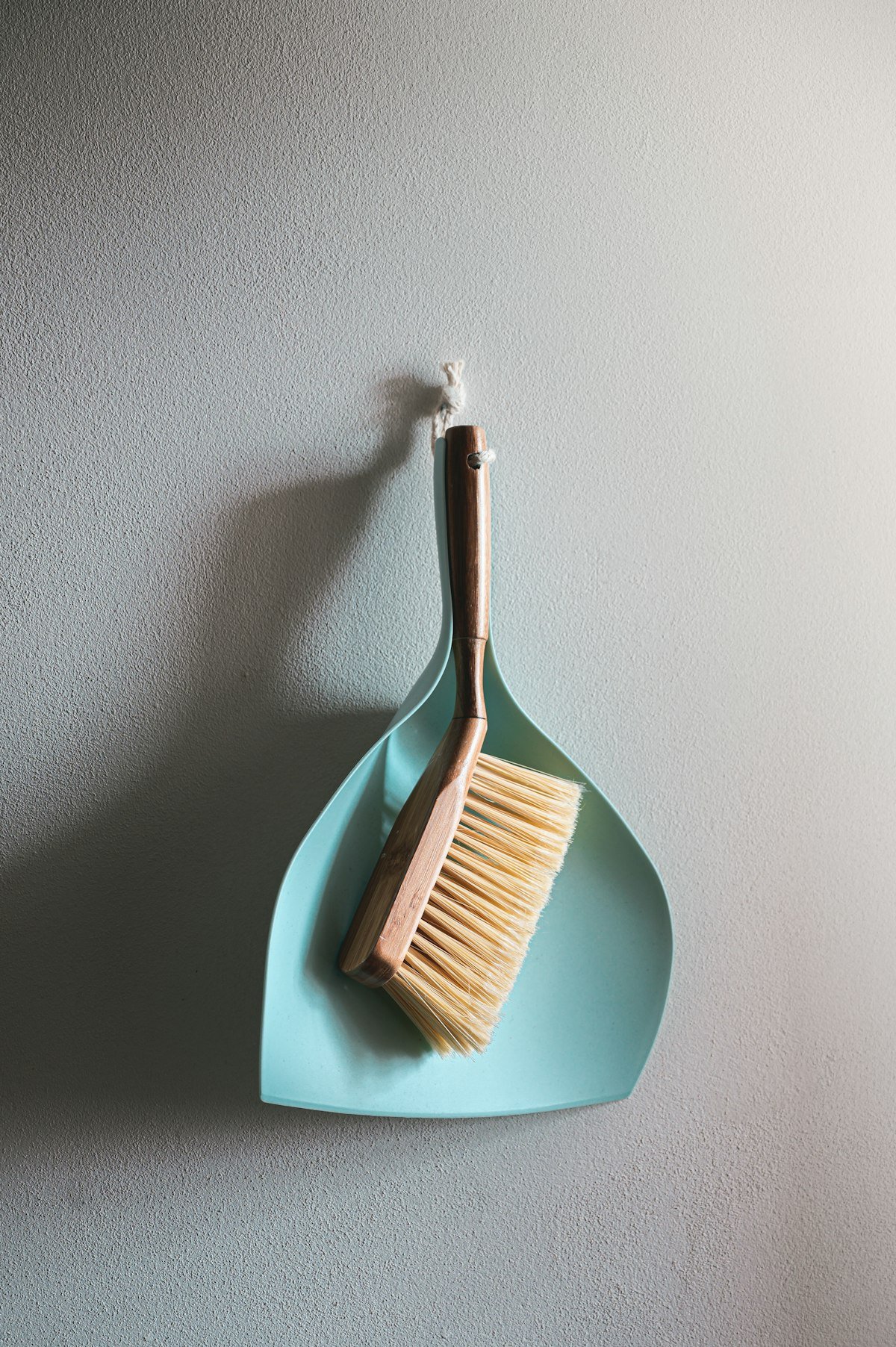
- A stiff-bristled grout brush or an old toothbrush
- Baking soda
- White vinegar in a spray bottle (mixed 1:1 with warm water)
- Oxygen bleach powder (sodium percarbonate) for tougher stains
- Hydrogen peroxide (3%)
- A bucket of warm water and a sponge or microfiber cloth
- Rubber gloves
- Optional: a steam cleaner and a grout sealer
Before you start: If your tile is natural stone such as marble, travertine, or limestone, skip vinegar and other acids. They can etch and dull the stone. Use only pH-neutral cleaners or plain water and a brush on stone.
Method 1: Warm Water and a Brush
Always start here. Light dirt often comes right off without any cleaner.
- Spray or dab warm water along the grout lines.
- Scrub in small circles with a stiff brush.
- Wipe away the loosened dirt with a damp cloth.
If the grout brightens up, you’re done. If not, move on.
Method 2: Baking Soda and Vinegar Paste
This is the go-to method for regular grime on ceramic or porcelain tile.
- Mix baking soda with a little water to make a thick paste.
- Spread the paste along the grout lines with your brush or finger (wear gloves).
- Lightly spray the paste with the vinegar and water mix. It will foam.
- Once the foaming stops, scrub the lines firmly.
- Rinse with clean water and wipe dry.
The baking soda acts as a gentle scrubber, and the fizzing helps lift dirt out of the pores.
Method 3: Hydrogen Peroxide for Stains and Mildew
For darker stains or light mildew, swap the vinegar for hydrogen peroxide.
- Mix baking soda and hydrogen peroxide into a paste.
- Apply it to the stained grout and let it sit for 10 to 15 minutes.
- Scrub, then rinse well with warm water.
Hydrogen peroxide has a mild whitening effect, so it’s especially helpful on light-colored grout. Test a small hidden spot first if your grout is colored.
Method 4: Oxygen Bleach for Deep Cleaning
When the whole floor looks dingy, oxygen bleach is one of the most effective and color-safe options.
- Dissolve oxygen bleach powder in warm water, following the directions on the package.
- Pour or spread the solution over the grout and let it soak for 10 to 15 minutes. Don’t let it dry out.
- Scrub the grout lines with a brush.
- Rinse thoroughly and mop the floor with clean water.
Unlike chlorine bleach, oxygen bleach is generally safe for colored grout and doesn’t produce harsh fumes.
Method 5: A Steam Cleaner
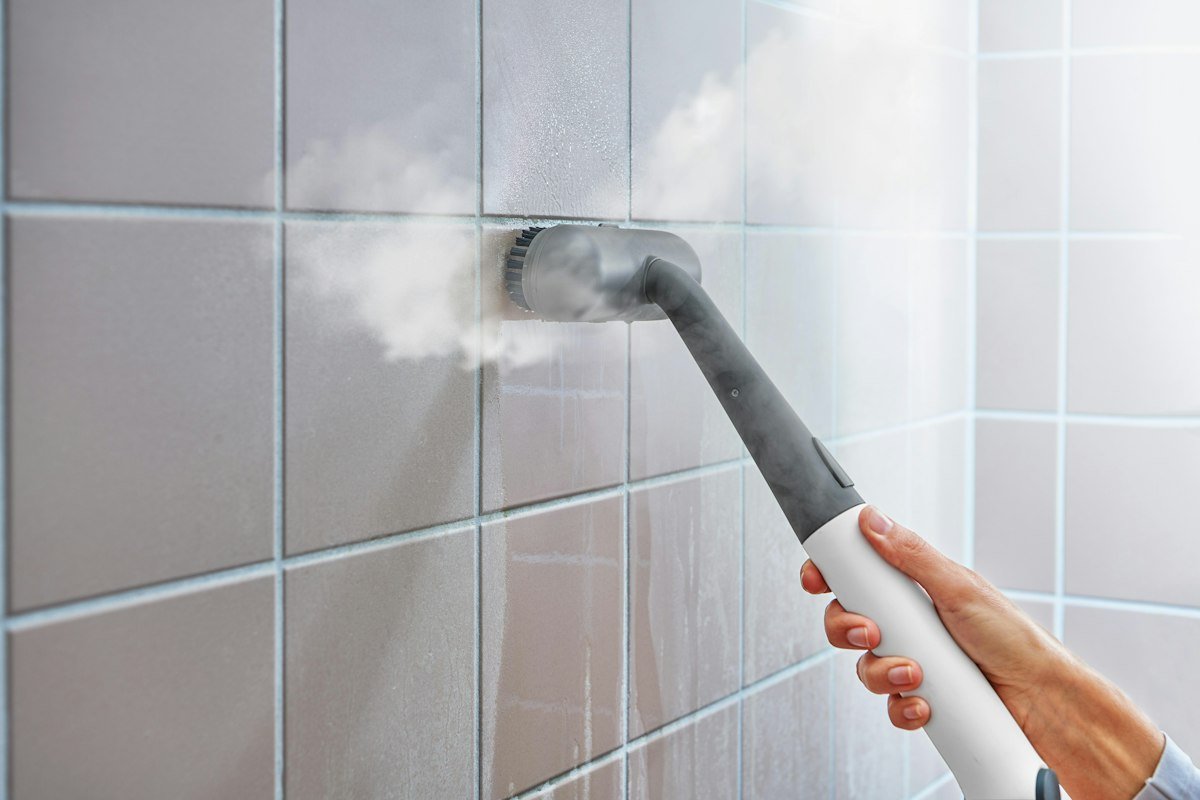
A steam cleaner with a narrow nozzle or small brush attachment blasts heat into the grout pores, loosening grime and killing mold without any chemicals. Work slowly along each line, then wipe away the residue with a cloth. It’s a great option for families with kids or pets, and for shower walls where scrubbing overhead is tiring.
What About Chlorine Bleach?
Chlorine bleach can remove stubborn black mold from white grout, but use it as a last resort. Dilute it according to the label, ventilate the room well, and rinse thoroughly afterward. It can fade colored grout and wear down grout over time.
Important safety rule: Never mix chlorine bleach with vinegar, ammonia, or other cleaners. These combinations can release toxic gases. Rinse the area well before switching from one cleaner to another.
Cleaning Shower Grout
Shower grout deals with daily moisture, so mildew is the main enemy. Use the hydrogen peroxide paste or oxygen bleach method, and pay extra attention to corners and the bottom row of tile where water sits longest. While you’re there, check the caulk where the tub or shower pan meets the wall. If it’s cracked or moldy, cleaning won’t fix it, and it’s time to replace it. Our guide on how to recaulk a bathtub walks you through it.
Seal the Grout After Cleaning
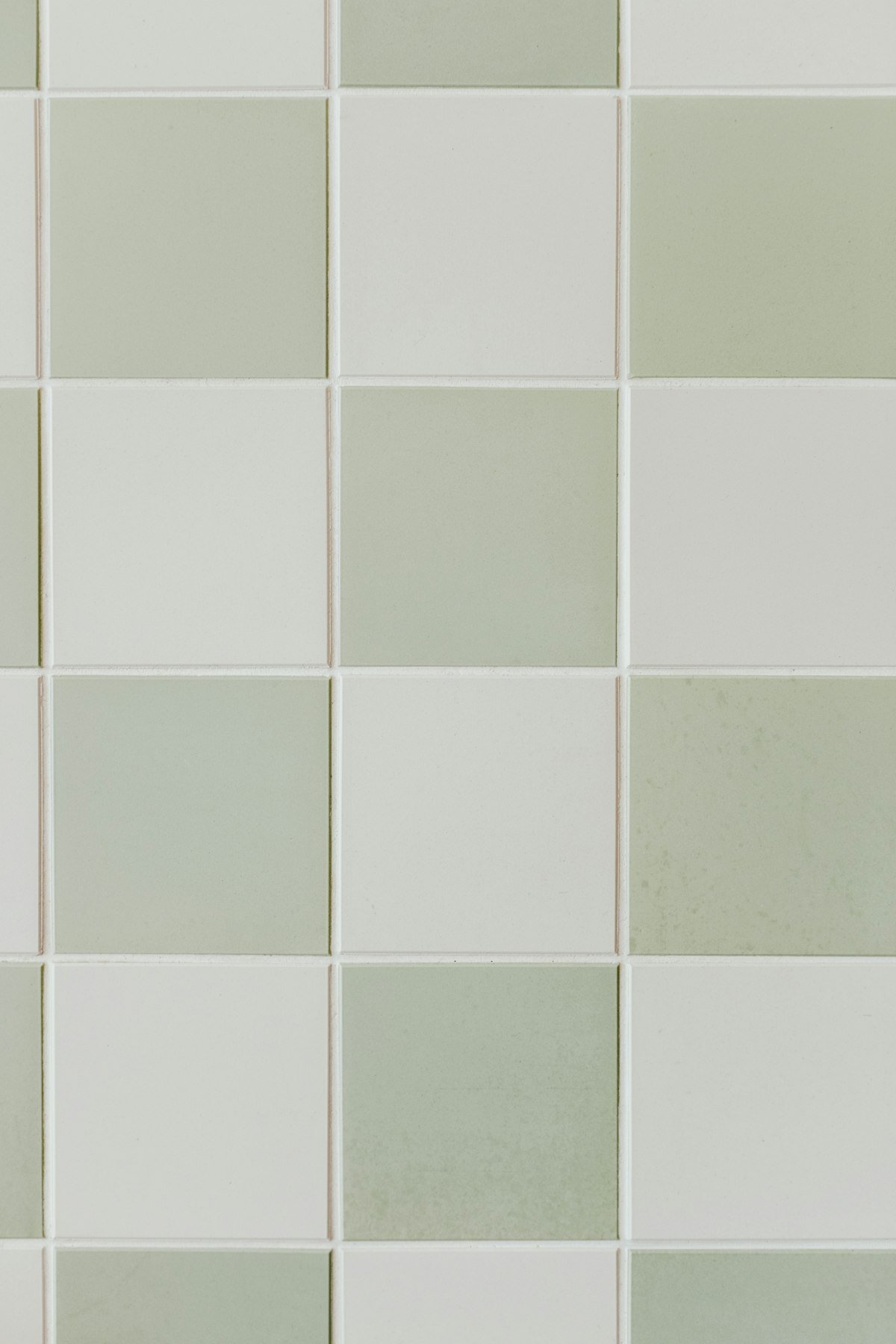
Sealing is the step most people skip, and it’s the one that keeps your hard work from going to waste. A penetrating grout sealer fills the pores so dirt and water can’t soak in as easily.
- Make sure the grout is completely clean and dry. Wait at least 24 hours after cleaning.
- Apply the sealer along the grout lines with a small brush or applicator bottle.
- Wipe any sealer off the tile surface before it dries.
- Let it cure according to the product directions before using the shower or walking on the floor.
Most cement-based grout benefits from resealing every one to two years, or more often in busy showers. Epoxy grout usually doesn’t need sealing.
How to Keep Grout Clean Longer
- Squeegee or wipe shower walls after each use to cut down on moisture and soap scum.
- Run the bathroom fan during and for 20 to 30 minutes after showers. Good airflow also helps with problems like a musty smell in the house.
- Sweep or vacuum floors before mopping so you don’t push dirt into the grout lines.
- Use clean mop water and change it often. Dirty water is a common reason grout turns gray.
- Do a quick scrub monthly with warm water and a brush, so you never need a big deep clean.
When Cleaning Isn’t Enough
If grout is cracked, crumbling, or permanently stained, no amount of scrubbing will help. You have two options: a grout colorant (a paint-like product that recolors and seals the lines) or regrouting the damaged areas. Missing or cracked grout should be fixed quickly, since it lets water get behind the tile.
Frequently Asked Questions
What is the best homemade grout cleaner?
For most ceramic and porcelain tile, a paste of baking soda and water, sprayed with a 1:1 vinegar and water mix, works well. For stains, use baking soda with hydrogen peroxide instead.
Can I use a toothbrush to clean grout?
Yes. An old toothbrush works fine for small areas. For whole floors, a dedicated grout brush with stiffer, angled bristles will save your wrists and your time.
How often should you clean grout?
A light scrub once a month and a deeper clean every few months is enough for most homes. Showers may need more frequent attention because of constant moisture.
The Bottom Line
Dirty grout can make an entire room look older than it is, but it’s one of the easiest home refreshes you can do. Start gently with water and a brush, use baking soda, peroxide, or oxygen bleach for tougher grime, and finish by sealing. With a little regular upkeep, your tile and grout can stay looking fresh for years.



Pingback: How To Clean Glass Shower Doors: Remove Soap Scum And Hard Water Stains