
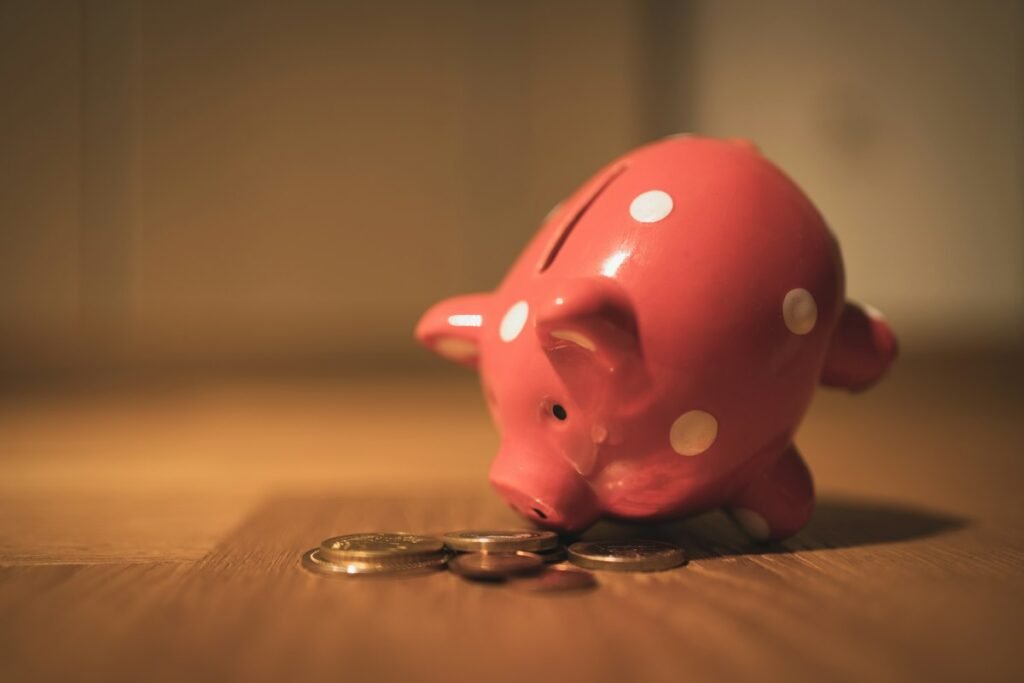

Every month, money seems to disappear on things you can barely remember buying: a coffee here, a delivery order there, a “great deal” you didn’t really need. A no spend challenge is a simple way to hit pause on that pattern. For a set period, you stop all non-essential spending, then look at what you saved and what you learned about your habits.
It sounds strict, and it can be. But done thoughtfully, it’s one of the quickest ways to free up cash, reset your relationship with money, and figure out where your budget is really leaking.
What Is a No Spend Challenge?
A no spend challenge is a self-imposed period, often a weekend, a week, or a full month, where you only pay for essentials. Rent, utilities, groceries, insurance, loan payments, and medicine are still allowed. Takeout, impulse shopping, new clothes, and entertainment purchases are not.
The goal isn’t to suffer. It’s to break autopilot spending long enough to notice it. Most people who finish one say the biggest benefit wasn’t the money saved but the awareness they gained.

Why It Works
Small, frequent purchases are easy to ignore because each one feels harmless. A rule as simple as “I’m not buying anything extra this month” removes hundreds of little decisions. You no longer have to ask yourself whether something is worth it; the answer is already no.
Other benefits include:
- Quick savings you can put toward an emergency fund or debt
- A clear picture of your spending triggers, like boredom, stress, or social media ads
- More creativity, since you start using what you already own
- Momentum for bigger money goals once you see what’s possible
How to Start a No Spend Challenge in 6 Steps
- Pick your time frame. If you’ve never done this before, start with a weekend or one week. A full month is more rewarding but much harder on the first try.
- Define what’s essential. Write down exactly what you’re allowed to pay for. Be honest: groceries yes, snacks from the gas station no.
- Decide on exceptions in advance. A friend’s birthday or a planned car repair might fall during your challenge. List these before you start so you don’t make rules up on the fly.
- Set a goal for the savings. Saving “for nothing” fades fast. Decide where the money goes, whether it’s a credit card balance, a vacation, or a fund for upcoming costs.
- Remove temptations. Unsubscribe from store emails, delete shopping apps for now, and log out of saved card details on your favorite sites.
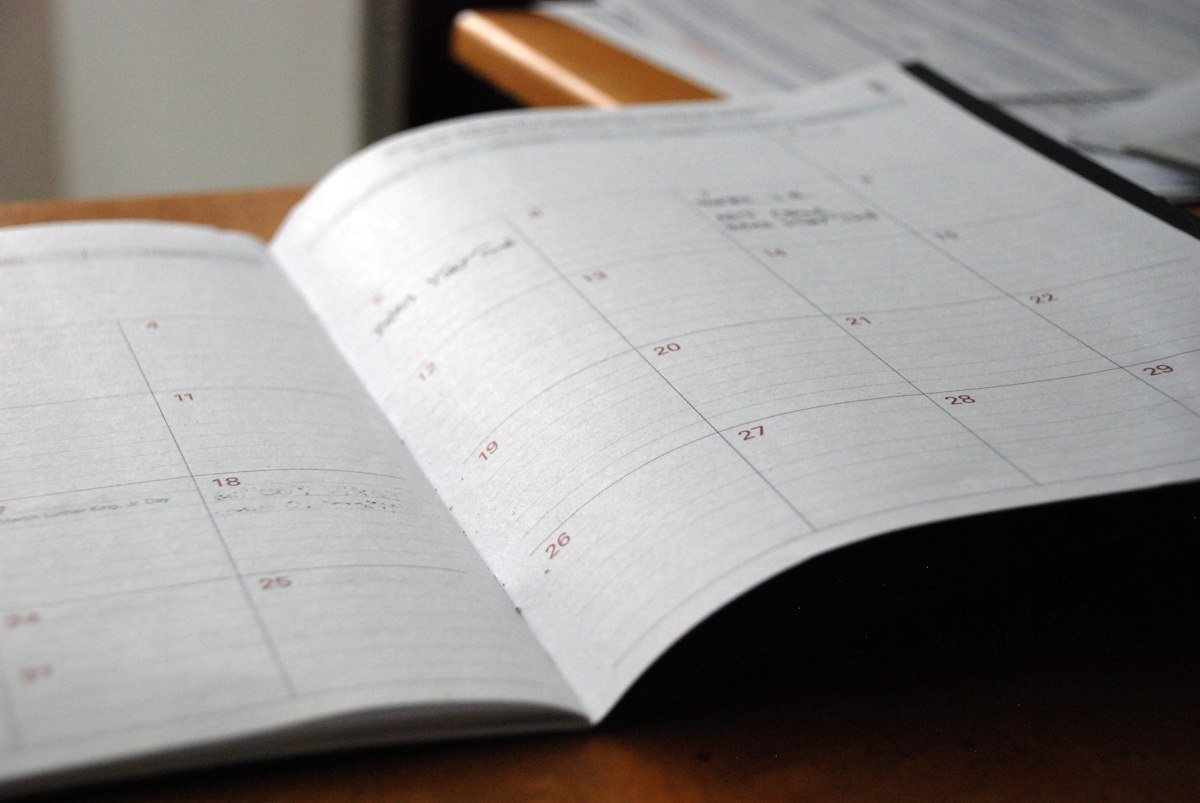
- Track every day. Mark each no-spend day on a calendar or printable tracker. Watching the streak grow is surprisingly motivating.
What Counts as Essential?
This is where most people get stuck. There’s no single right answer, but here’s a common breakdown.
Usually Allowed
- Housing costs, utilities, and phone bill
- Basic groceries for planned meals
- Transportation to work or school, including fuel
- Insurance, minimum debt payments, and medication
- Bills that are already scheduled, such as childcare
Usually Not Allowed
- Restaurant meals, takeout, and coffee shop drinks
- Clothing, home decor, and gadgets
- New subscriptions or in-app purchases
- Alcohol and snacks outside your grocery list
- Paid entertainment like movies or concerts
If you want a gentler version, try a “low spend” month instead, where you set a small fun-money allowance rather than banning everything.
Tips to Actually Finish the Challenge
Plan Your Meals
Food is where most challenges fall apart. Before you begin, plan a week of meals around what’s already in your fridge and pantry, then shop once with a list. Cooking at home doesn’t have to be fancy; simple pasta, rice bowls, and soups go a long way.

Find Free Fun
Boredom is a big spending trigger. Make a short list of free things to do: walking or hiking, library books and movies, free community events, game nights at home, or finally finishing a project you’ve put off.
Tell Someone
Let a partner, friend, or roommate know what you’re doing. It makes it easier to turn down plans that cost money, and you might even find a challenge buddy.
Use the 48-Hour Rule
If you suddenly “need” something that isn’t on your essentials list, write it down and wait 48 hours. Most urges pass. If it’s still truly necessary after two days, it probably belongs on your essentials list anyway.
What to Do With the Money You Save
The most common mistake is finishing the challenge and then quietly spending the savings. Move the money the same day the challenge ends, ideally into a separate account.
Good options include:
- Building or topping up an emergency fund
- Paying extra on high-interest debt
- Funding a sinking fund for predictable costs like holidays, car repairs, or annual subscriptions
- Starting a savings goal you’ve been putting off
Common Mistakes to Avoid
- Going too extreme too fast. A month with zero flexibility can lead to a spending binge afterward. Build up gradually.
- Skipping necessary costs. Don’t delay medical care, needed car maintenance, or bill payments just to keep a streak alive.
- Stockpiling beforehand. Buying extra stuff the week before “so you won’t need to spend” defeats the purpose.
- Not reviewing afterward. Spend 15 minutes looking at what tempted you most. That’s the lesson that changes your budget long-term.
Frequently Asked Questions
How much can you save with a no spend challenge?
It depends entirely on your normal habits. Someone who regularly eats out and shops online might save a few hundred dollars in a month, while someone with a tight budget may save less but still gain useful insight.
Can you do a no spend challenge with a family?
Yes, and it can be a good lesson for kids. Keep the rules simple, involve everyone in planning free activities, and agree on exceptions together.
How often should you do one?
Many people do one a few times a year, for example in January after the holidays, or before a big expense. Others pick one no-spend weekend every month as a regular habit.
The Bottom Line
A no spend challenge isn’t about never enjoying your money. It’s a short, focused reset that shows you where your money goes and how little some of those purchases really mattered. Start small, plan ahead, give your savings a clear job, and you may find the habits you build last much longer than the challenge itself.