
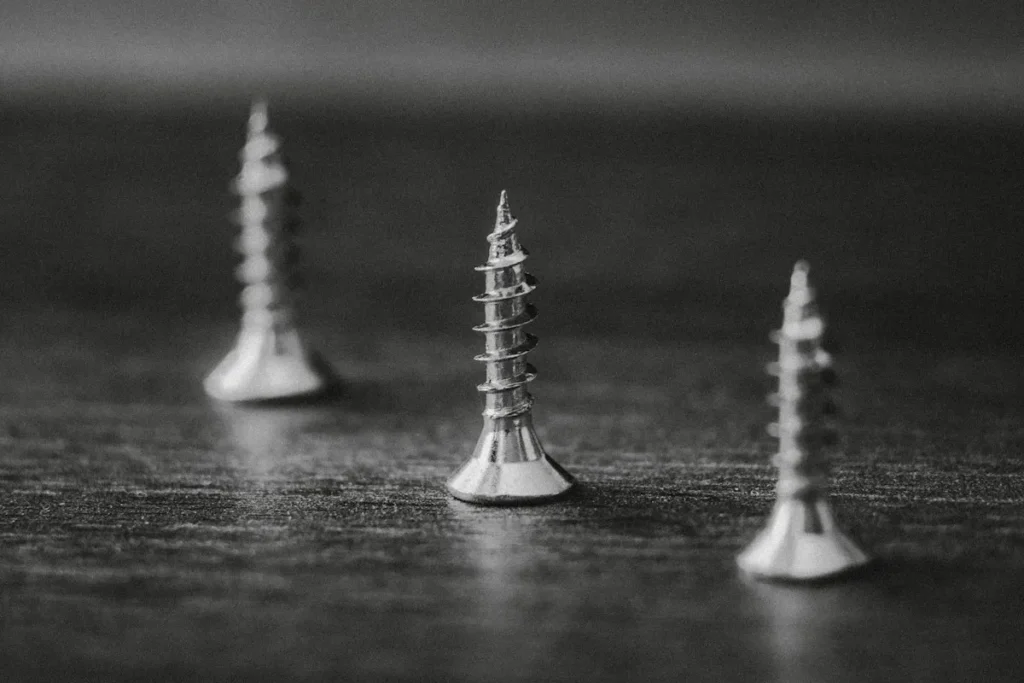

The fastest way to fix a stripped screw hole in wood is to fill it with glued wood, let it dry, and drive the screw into fresh fibers. Most beginners grab a bigger screw or keep cranking the old one, which only chews the hole wider and can split the board. This guide shows you exactly how to fix a stripped screw hole in wood with six proven methods, the tools for each, and a simple way to choose the right one for your project.
What Is a Stripped Screw Hole?
A screw holds because its threads bite into wood fibers. When those fibers get crushed or torn away, the threads have nothing left to grab. The screw spins in place, pulls out with a light tug, or wobbles every time you open a door. That is a stripped screw hole.
Don’t confuse this with a stripped screw head. A stripped head means the slot or cross on top is rounded off, so your screwdriver slips. A stripped hole means the screw is fine, but the wood around it has failed. This guide is about the hole.
Why Screw Holes Strip in the First Place
Knowing the cause helps you pick a fix that lasts. Most stripped holes come from one of these problems:
- Over-tightening. A power drill with no clutch setting can spin a screw past snug and grind the threads loose.
- Repeated use. Cabinet hinges, door hinges and furniture joints move thousands of times. Each movement loosens the grip a little.
- No pilot hole. Driving a screw straight into hardwood can crack the fibers instead of threading them.
- Soft or engineered wood. Pine, particleboard and MDF are easy to strip because their fibers are weak.
- Moisture. Wood that swells and shrinks with humidity slowly loosens its hold on a screw.
Tools and Materials You May Need

You won’t need everything on this list. Each method below uses only a few items, and most are already in a basic toolbox.
- Wood glue (yellow or white PVA glue)
- Wooden toothpicks, matchsticks with heads removed, or golf tees
- Hardwood dowels in 1/4 or 3/8 inch sizes
- Drill and drill bits, including one that matches your dowel
- Utility knife or flush-cut saw
- Two-part epoxy wood filler (for heavy loads or particleboard)
- Longer or thicker wood screws
- Threaded wood inserts (optional, for parts you remove often)
- Sandpaper and a damp rag for cleanup
How to Fix a Stripped Screw Hole: 6 Methods That Work
Start with the simplest method that matches your situation. Light jobs like cabinet hinges rarely need more than toothpicks and glue. Heavy or high-traffic parts deserve a dowel or epoxy repair.
Method 1: Toothpicks and Wood Glue
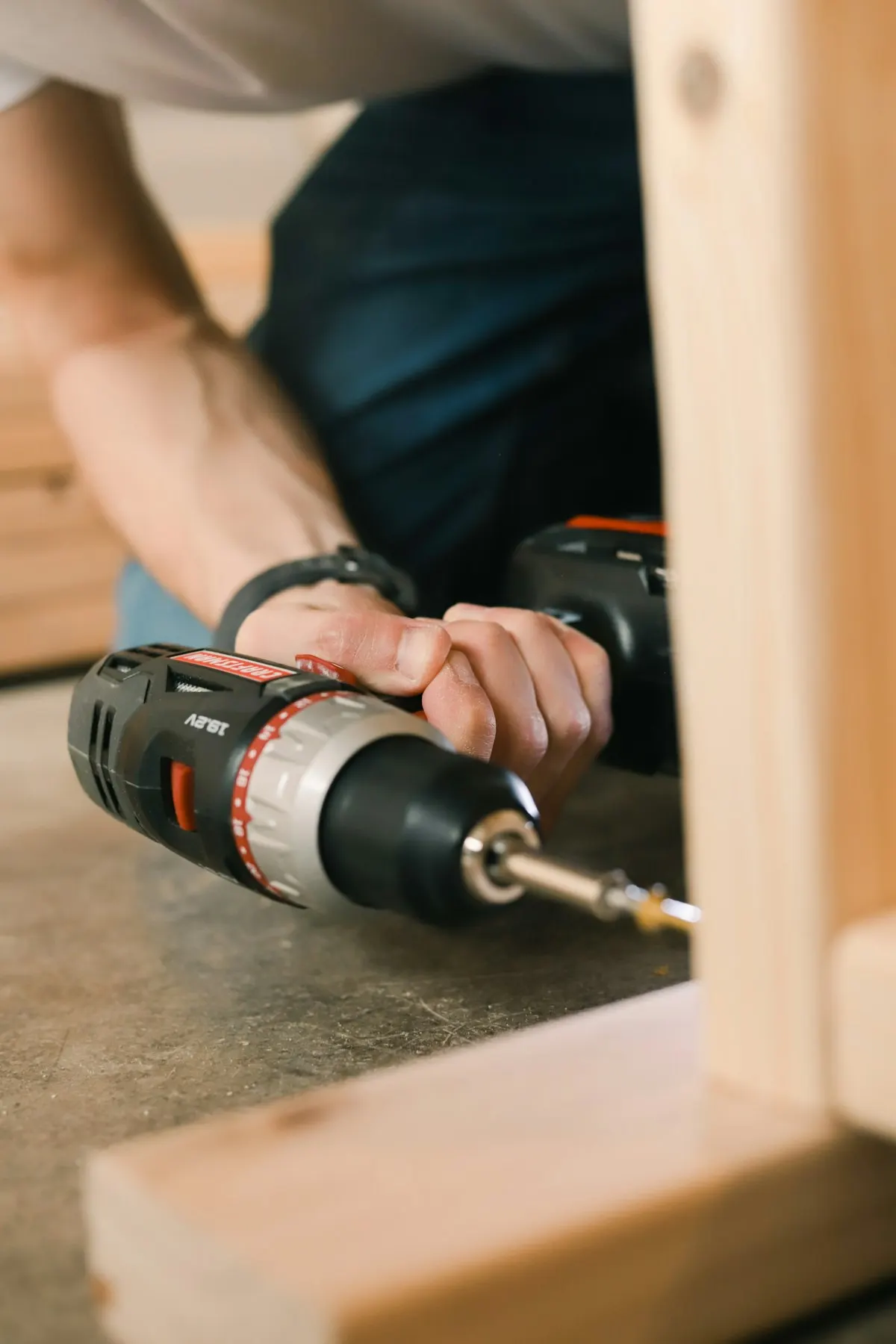
This is the classic quick fix, and it works well for small holes in solid wood. Remove the screw and dip three or four wooden toothpicks in wood glue. Push them into the hole until it feels packed and tight. Snap or slice them off flush with the surface using a utility knife.
Wipe away any extra glue with a damp rag. For the strongest result, let the glue dry for at least an hour, or overnight if you can. Then drill a small pilot hole in the center and drive the original screw back in by hand until it is snug. Matchsticks work the same way if you remove the heads first.
Method 2: A Golf Tee for Larger Holes
When a hole is too wide for toothpicks, a wooden golf tee fills it neatly. Its tapered shape wedges in tight. Coat the tee with glue, tap it into the hole with a hammer, and let it dry. Cut it flush, drill a pilot hole, and reinstall the screw. This is a handy trick for door hinges.
Method 3: Wooden Dowel Plug (Strongest DIY Fix)

A dowel gives you a solid new piece of wood to screw into. It is the best choice for heavy doors, gates and furniture that takes a beating. Pick a dowel slightly wider than the damaged hole, then drill the old hole out to match the dowel size. Go about as deep as the screw will reach.
Spread glue on the dowel and tap it fully into the hole. Let it dry for several hours, then trim it flush with a flush-cut saw and sand it smooth. Drill a new pilot hole and drive the screw. Because the screw now enters the side grain of the dowel, it grips much better than it would in end grain.
Method 4: Use a Longer or Thicker Screw
Sometimes the easiest fix is a screw that reaches past the damaged area. A screw that is slightly longer will find solid wood deeper in the board. A screw one gauge thicker will cut new threads into the walls of the old hole.
Check two things first. Make sure the longer screw won’t poke through the other side. And make sure the thicker head still fits the countersink in your hinge or hardware. For a sagging door, swapping one short hinge screw for a 2.5 to 3 inch screw that reaches the wall framing often solves the problem.
Method 5: Two-Part Epoxy Wood Filler
Regular wood filler is great for cosmetic holes, but it is too weak to hold a screw on its own. Two-part epoxy wood filler is different. Once it cures, it becomes hard enough to drill and thread. Mix it as the label says, press it into the hole, and let it cure fully. Then drill a pilot hole and drive the screw. This is the go-to fix for particleboard and MDF, where toothpicks often fail.
Method 6: Threaded Inserts
A threaded insert is a small metal sleeve that screws into wood and gives you machine threads inside. You then use a bolt instead of a wood screw. Inserts are ideal for furniture you take apart often, like bed frames or table legs. They take a bit more effort to install, but they can last for years.
Which Method Should You Use? Quick Comparison
Use this table to match the fix to your project. If you are unsure, the dowel method is the safest all-around choice for solid wood.
| Method | Best For | Strength | Time Needed | Difficulty |
|---|---|---|---|---|
| Toothpicks + glue | Small holes, cabinet hinges | Good | 5 minutes plus drying | Very easy |
| Golf tee + glue | Larger holes, door hinges | Good | 5 minutes plus drying | Easy |
| Wooden dowel | Heavy doors, gates, furniture | Excellent | 30 minutes plus drying | Moderate |
| Longer or thicker screw | Quick fixes, sagging doors | Good to excellent | 2 minutes | Very easy |
| Epoxy wood filler | Particleboard, MDF, heavy loads | Excellent | 10 minutes plus curing | Moderate |
| Threaded insert | Furniture you take apart often | Excellent | 15 minutes | Moderate |
Fixing Stripped Holes in Specific Places
Door Hinges
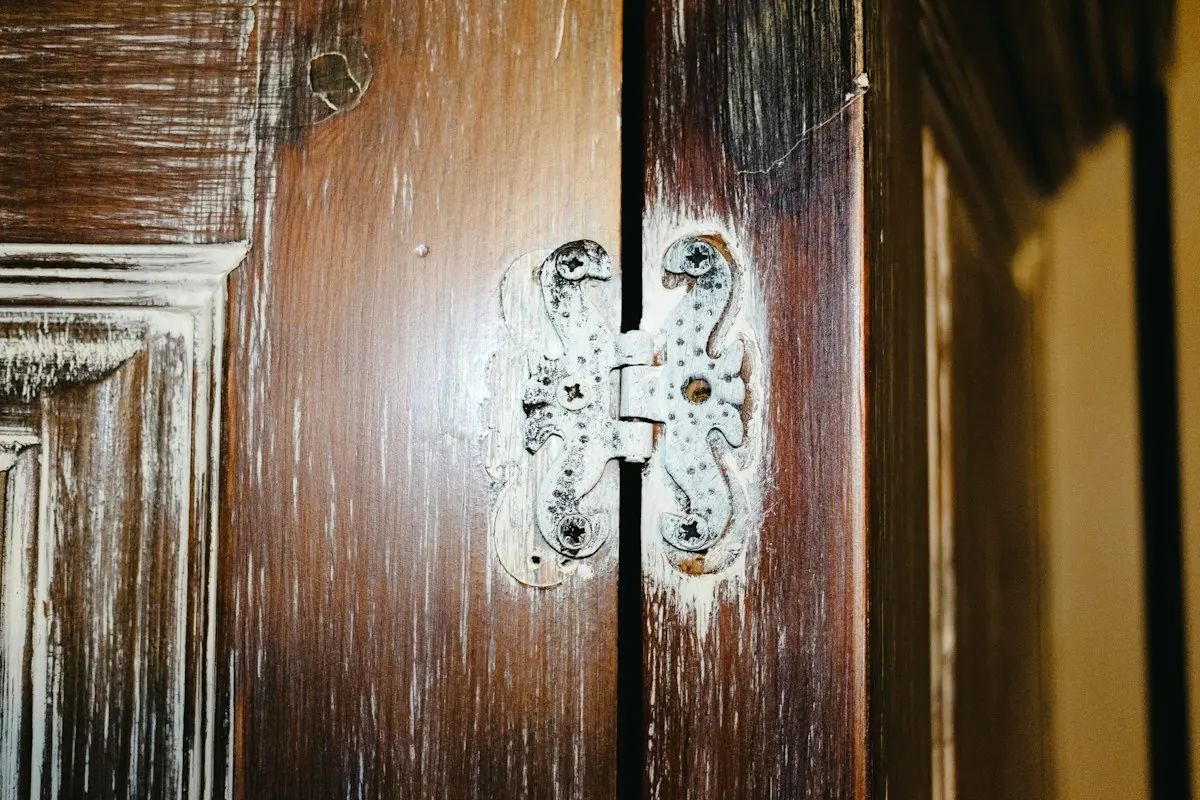
Door hinge screws strip because the door’s weight pulls on them every day. Fix the top hinge first, since it carries the most load. A golf tee or dowel works well here. You can also replace one screw per hinge with a long screw that bites into the framing behind the jamb. If your door also squeaks, our guide on how to fix a squeaky door covers the next step.
Cabinet Hinges
Kitchen cabinets are often made of particleboard or thin plywood. Toothpicks can work on plywood, but epoxy filler or a dowel is more reliable on particleboard. Many European-style cabinet hinges also accept repair plates that cover the old holes and give you fresh spots to screw into.
Furniture and Chair Joints
Chairs and tables loosen because of side-to-side stress. A dowel repair with good glue is the best long-term fix. For pieces you move or disassemble, a threaded insert lets you tighten the joint again without wearing out the wood.
Solid Wood vs. Particleboard and MDF
Solid wood has long fibers that grip glue, toothpicks and dowels well. Particleboard and MDF are made of compressed wood chips and fibers held together with resin. Once they crumble, there is little left to bond to.
For engineered wood, skip the toothpick trick and go straight to two-part epoxy or a dowel set in strong glue. Drive screws gently by hand, and avoid over-tightening. These materials can strip again with very little force.
Common Mistakes That Make It Worse
- Driving the screw before the glue dries. Wet glue offers little grip, and the filler can shift.
- Using regular wood filler for structure. Standard filler cracks under screw pressure. Use epoxy instead.
- Skipping the pilot hole. A screw forced into a fresh plug can split it. Always drill a small guide hole.
- Over-tightening with a drill. Finish the last few turns by hand so you can feel when it is snug.
- Choosing a screw that’s too long. It can poke through the front of a cabinet or door. Measure before you drive.
How to Prevent Stripped Screw Holes
A little care when installing screws saves you from repairs later. Drill a pilot hole sized to the screw’s inner shaft, not its threads. Set your drill’s clutch to a low setting, and finish by hand. Use screws long enough to reach solid wood, and choose coarse-thread screws for soft woods.
For hinges and hardware that move often, check the screws once or twice a year and snug them gently. Catching a loose screw early is far easier than repairing a striped screw hole after it fails.
When to Call a Professional
Most stripped holes are an easy DIY job. Consider calling a carpenter or handyman if the wood around the hole is cracked, rotten or soft, or if several holes in one area have failed. Exterior doors, load-bearing railings and anything that supports weight overhead also deserve a professional look.
Frequently Asked Questions
Can I fix a stripped screw hole without glue?
Yes, but the fix won’t last as long. You can pack the hole with toothpicks dry or use a longer or thicker screw. Glue makes the repair much stronger because it bonds the new wood to the old.
How long should wood glue dry before I put the screw back?
Wait at least one hour for light jobs. For hinges and furniture, overnight drying gives the strongest hold. Check the glue label, since drying times vary by brand and temperature.
Is wood filler strong enough to hold a screw?
Standard wood filler is not. It is made for cosmetic repairs and can crumble when a screw is driven in. Two-part epoxy wood filler is strong enough once it fully cures.
Will a bigger screw fix a stripped hole?
Often, yes. A slightly thicker or longer screw can grab fresh wood. Just make sure it fits your hardware and won’t break through the other side.
Do toothpicks work in particleboard?
They can work for light loads, but results are unreliable. Particleboard crumbles easily, so epoxy filler or a glued dowel is a better choice.
Can I use a drywall anchor in wood?
It is not recommended. Plastic drywall anchors are designed for hollow walls, not solid wood. In wood, use toothpicks, dowels, epoxy or threaded inserts instead.
What is the strongest way to fix a stripped screw hole?
A glued hardwood dowel or a two-part epoxy repair gives the strongest result. Both create solid new material for the screw threads to bite into.
How do I fix a stripped screw hole in a door hinge?
Remove the hinge, fill the hole with a glued golf tee or dowel, and let it dry. Then trim it flush, drill a pilot hole and reinstall the hinge. A long screw into the framing adds extra support.
Why does my screw keep spinning?
A screw that keeps spinning has lost its grip on the wood fibers. The hole is stripped, so you’ll need to fill it or use a larger screw.
Can I move the hinge instead of fixing the hole?
Sometimes. Shifting hardware slightly lets screws enter fresh wood. This works best for hidden parts, since it can leave visible marks or misalign doors.
Final Verdict
A stripped screw hole looks like a big problem, but it is one of the simplest repairs in the house. For small holes, glued toothpicks or a golf tee do the job. For heavy doors and furniture, a dowel or epoxy fix is worth the extra few minutes. Now that you know how to fix a stripped screw hole in wood, pick the method from the table that fits your project, give the glue time to dry, and finish by hand for a tight, lasting hold.



Pingback: How To Patch A Large Hole In Drywall: Step-by-Step DIY Guide