


You find a used car that looks perfect. Good price, clean interior, the color you wanted. Then you see the odometer: 118,000 miles. Suddenly you’re second-guessing everything and wondering how many miles is too many for a used car.
That reaction makes sense, but it’s often the wrong one. Mileage is only one clue about a car’s health, and on its own it can be misleading. A well-kept car with 120,000 highway miles can be a smarter buy than a neglected one with 60,000 city miles.
So where is the real limit? The short answer: for most modern vehicles, the danger zone starts somewhere around 150,000 to 200,000 miles, but the real answer depends on the car’s age, how it was driven, and whether anyone took care of it. This guide walks you through how to judge it yourself.
Quick Answer
- Under 60,000 miles: Usually low risk, if the car’s age matches the mileage.
- 60,000–100,000 miles: Often the sweet spot for value. Check that major scheduled services were done.
- 100,000–150,000 miles: Fine for a reliable model with service records. Budget for wear items.
- 150,000–200,000 miles: Only with full records, a clean inspection, and a price that reflects the risk.
- Over 200,000 miles: Best treated as a cheap, short-term car unless it’s a famously durable model with proof of care.
Why the Old “100,000-Mile Rule” Is Outdated
A generation ago, 100,000 miles really was close to the end of the road for many cars. Engines wore out faster, rust was common, and oil technology wasn’t as good. That’s where the 100k rule came from.
Today’s cars are different. Better manufacturing, fuel injection, synthetic oils, and improved corrosion protection mean many vehicles easily pass 200,000 miles with normal maintenance. Americans are keeping their cars longer too: the average vehicle on U.S. roads is now close to 13 years old, according to S&P Global Mobility. Plenty of those cars are well past six figures and still running fine.
So hitting 100,000 miles is no longer a warning sign by itself. It’s just a checkpoint where you should look more closely.
Use the Miles-Per-Year Test First
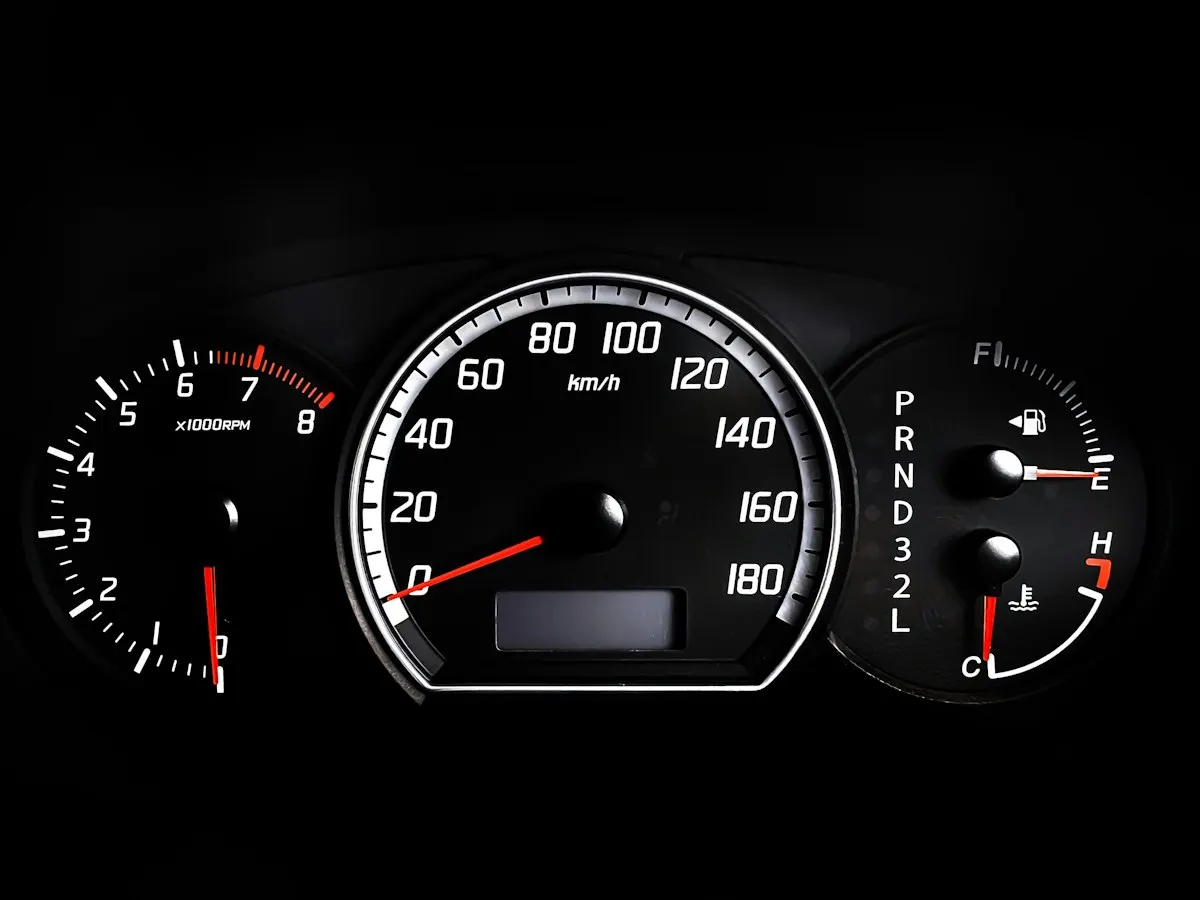
The Federal Highway Administration estimates the average American drives roughly 13,500 miles a year. A simple way to judge any used car is to compare its mileage to its age.
Formula: Odometer reading ÷ age of the car in years = miles per year.
| Car age | Typical mileage range | What it suggests |
|---|---|---|
| 3 years | 36,000–45,000 | Normal use |
| 5 years | 60,000–75,000 | Normal use |
| 8 years | 96,000–120,000 | Normal use |
| 10 years | 120,000–150,000 | Normal use |
| 5 years | 110,000+ | Heavy use, possibly highway or rideshare |
| 10 years | Under 40,000 | Very low use, check for “sitting” problems |
A car that’s far above average isn’t automatically bad. Highway miles are gentle compared to stop-and-go driving. But you should ask how those miles were put on.
Low Mileage Can Be a Problem Too
This is the part most buyers miss. A 12-year-old car with 25,000 miles sounds like a dream, but cars that sit for long periods have their own issues:
- Rubber seals and gaskets dry out and start leaking
- Tires can be old and cracked even with plenty of tread left
- Brake rotors rust and calipers can stick
- Batteries die from long periods without charging
- Fuel can go stale and gum up parts of the fuel system
- Rodents sometimes nest in engine bays and chew wiring
Low mileage is still usually a plus, but check the tire date codes (a four-digit number on the sidewall showing week and year) and look for leaks under the car.
Highway Miles vs. City Miles

Two cars can both show 100,000 miles and be in very different shape.
- Highway miles mean steady speeds, fewer cold starts, little braking, and less transmission shifting. This is the easiest life a car can have.
- City miles mean constant stops, short trips where the engine never fully warms up, potholes, and heavy brake use.
Clues that a car lived mostly on the highway: high miles for its age, original brakes still in decent shape, and a clean, chip-free driver’s seat bolster. Rock chips on the hood and windshield also point to lots of highway driving.
Mileage Limits by Vehicle Type
Not every vehicle wears at the same rate. Here’s a realistic look at how far common types tend to go with good care:
| Vehicle type | Common realistic lifespan | Main things to check |
|---|---|---|
| Mainstream sedans (well-known reliable models) | 200,000+ miles | Oil change history, transmission fluid |
| Full-size trucks and body-on-frame SUVs | 200,000–250,000+ miles | Towing history, frame rust, 4WD system |
| Luxury and performance cars | Often fine, but repairs get expensive after 100k | Electronics, air suspension, turbos |
| Hybrids | 200,000+ miles is common | Hybrid battery health and warranty |
| Electric vehicles | Battery health matters more than miles | Battery capacity report, charging history |
For hybrids and EVs, ask for a battery health report. Many manufacturers warranty high-voltage batteries for at least 8 years or 100,000 miles, and some states require longer coverage on hybrid parts. Check whether any of that warranty is left before you buy.
What Matters More Than the Odometer

1. Maintenance records
This is the single biggest factor. Regular oil changes, transmission fluid service, coolant changes, and brake work tell you the owner cared. A 140,000-mile car with a folder full of receipts is often a safer bet than a 70,000-mile car with no history at all.
2. Major services at key milestones
Some expensive jobs come due at certain mileages. If the car is past these points, confirm they were done, or factor the cost into your offer:
- Timing belt (if the engine has one): usually due between 60,000 and 100,000 miles. If it snaps, some engines suffer serious damage.
- Transmission fluid service: often recommended in the 30,000–60,000 mile range, depending on the maker.
- Spark plugs: commonly 60,000–100,000 miles on modern cars.
- Water pump, shocks and struts, belts and hoses: frequently need attention around 80,000–120,000 miles.
Always check the owner’s manual for the specific model, since intervals vary.
3. Number of owners
One or two long-term owners usually means more consistent care. A car that changed hands every year or two can be a sign someone kept passing along a problem.
4. Where the car lived
A car from a snowy state where roads are salted can have serious rust underneath, even with modest miles. Cars from hot climates may have sun-damaged paint, dashboards, and rubber parts. Look underneath with a flashlight, especially at the frame, brake lines, and rocker panels.
5. Fleet, rental, or rideshare history
Ex-rental and fleet cars often have high miles for their age. They can still be decent buys since many fleets service vehicles on schedule, but they’ve had many different drivers. A vehicle history report will usually show this.
Red Flags: When the Miles Really Are Too Many

Walk away, or negotiate hard, if you see any of these on a higher-mileage car:
- No service records and the seller can’t explain the car’s history
- Blue or heavy white smoke from the exhaust
- Rough, slipping, or delayed transmission shifts
- Knocking or ticking noises from the engine
- Milky residue under the oil cap (possible head gasket issue)
- Warning lights on the dash, or lights that don’t come on at all at startup
- Frame rust you can poke a screwdriver into
- Wear that doesn’t match the odometer, like a shiny, worn steering wheel and pedals on a “40,000-mile” car
Watch Out for Odometer Fraud
The National Highway Traffic Safety Administration estimates that more than 450,000 vehicles are sold each year with false odometer readings. Digital odometers can be tampered with too. To protect yourself:
- Run a vehicle history report (Carfax, AutoCheck, or an NMVTIS-approved provider) and compare the mileage at each recorded service or inspection
- Look for gaps or a mileage number that goes down over time
- Compare interior and pedal wear to the claimed mileage
- Check oil change stickers and service receipts for mileage notes
Your High-Mileage Used Car Checklist
- Divide the mileage by the car’s age and see whether it’s above or below average.
- Ask for every service record the seller has.
- Confirm big milestone jobs (like the timing belt) were done.
- Run a vehicle history report and check for accidents, title problems, and mileage gaps.
- Look underneath for rust and leaks.
- Test drive from a cold start, including highway speed.
- Pay an independent mechanic for a pre-purchase inspection, usually around $100–$250. It’s the best money you’ll spend.
- Use any upcoming repairs to negotiate the price down.
How Mileage Affects Price and Your Loan
Mileage has a big impact on resale value. Cars tend to lose noticeable value as they cross round numbers like 100,000 miles, simply because buyers react to that number. That can work in your favor: a car with 103,000 miles may cost far less than the same car with 97,000 miles, even though there’s almost no real difference.
Financing is another factor. Some lenders limit loans on older or high-mileage vehicles, or charge higher rates. If you plan to finance, check your lender’s rules before you shop. Our Capital One Auto Finance guide explains how pre-qualification and loan approval work.
Finally, keep a repair fund. On any car past 100,000 miles, setting aside a little each month for repairs keeps a surprise bill from turning into a crisis.
Frequently Asked Questions
Is 100,000 miles too much for a used car?
Not for most modern cars. If the car has good maintenance records and passes an inspection, 100,000 miles is often just the middle of its life. Price it accordingly and plan for some wear-item repairs.
Is 150,000 miles too many for a used car?
It depends on the model and care. A reliable sedan or truck with complete records can keep going well beyond 150,000. Without records, it’s a gamble, and the price should be low enough to cover possible repairs.
What is good mileage for a 10-year-old car?
Around 120,000 to 150,000 miles is normal. Much less is great, as long as the car wasn’t left sitting for years without use.
Should I buy a car with 200,000 miles?
Only if it’s cheap, it’s a model known for durability, and a mechanic confirms it’s in good condition. Treat it as a budget car you might replace within a few years.
Are highway miles really better?
Yes. Highway driving causes much less wear on the engine, brakes, and transmission than short stop-and-go trips.
The Bottom Line
There’s no magic number that settles how many miles is too many for a used car. Look at miles per year, maintenance history, ownership, and condition together, and always get an independent inspection. Do that, and you can confidently buy a higher-mileage car for a lot less money, or walk away from a low-mileage one that’s hiding problems.